
Side Dishes
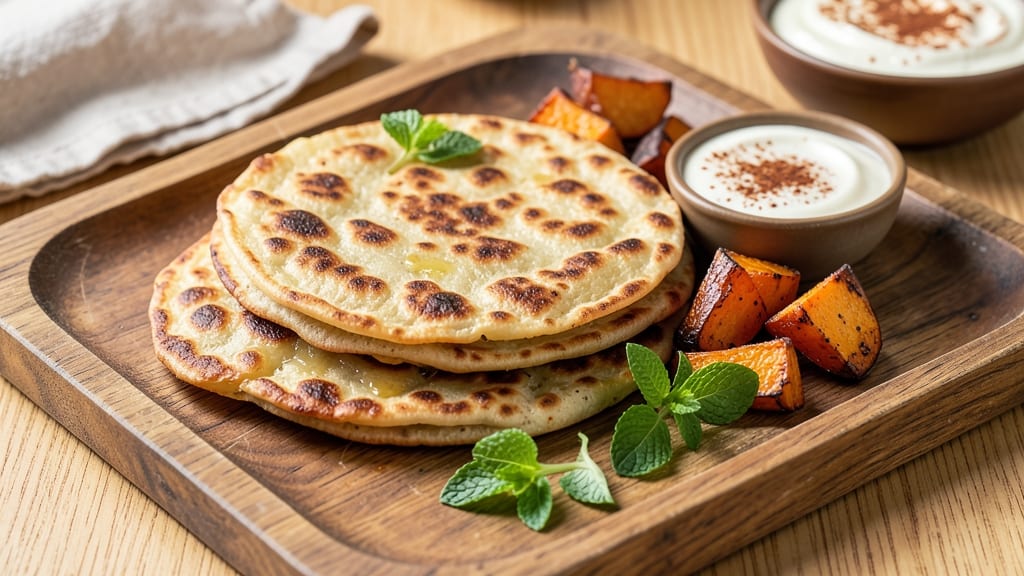
This sweet potato chapati recipe transforms humble flour into delicate, flaky layers infused with warm cinnamon and natural sweetness. 💛 The secret lies in perfectly balanced hydration and resting time, creating those signature paper-thin sheets that crisp beautifully on the tawa.
I developed this version after years of experimenting with traditional chapati techniques while adding a subtle sweetness that makes every bite irresistible.
The dough comes together with just five simple ingredients—all-purpose flour, grated sweet potato, yogurt, and a pinch of cinnamon—that work together to create a tender yet sturdy dough. The sweet potato adds natural moisture and a subtle caramelized flavor when cooked, while the cinnamon infuses warmth throughout each layer.
This recipe maintains the authenticity of traditional chapatis while offering a delightful twist that pairs perfectly with curries or enjoyed on its own.
What you'll achieve is a stack of golden, flaky chapatis with crisp edges and tender centers, their cinnamon aroma filling your kitchen. The sweet potato adds just enough natural sweetness to complement savory dishes without overpowering them.
Each chapati rolls out effortlessly and cooks quickly on the tawa, making this an ideal recipe for both weeknight meals and special occasions.
The beauty of this recipe lies in its versatility—use it as a side for curries, wrap it around fillings for a sweet potato paratha, or serve it with yogurt and pickles for a satisfying snack.
The dough can be made ahead and rested in the refrigerator for up to 24 hours, allowing flavors to develop even further. Let's get started on creating these delicious, fragrant chapatis!
Ingredients for sweet potato chapati
Five simple ingredients create delicate, flaky chapatis with warm cinnamon aroma.
| Ingredient | Amount | Notes |
|---|---|---|
| All-Purpose Flour 🌾 | 2 ½ cups | Unbleached preferred for texture |
| Medium Sweet Potatoes 🍠 | 1 ½ cups | Raw, grated, skin removed |
| Plain Yogurt 🥛 | ½ cup | Whole milk preferred for richness |
| Ground Cinnamon 🌿 | ½ tsp | Freshly ground for aroma |
| Salt 🧂 | ¼ tsp | Fine sea salt preferred |
| Water 💧 | ¼ cup | Room temperature for dough |
| Ghee or Vegetable Oil 🫒 | 1 tbsp | For rolling and cooking |
The sweet potatoes are the star—look for firm, vibrant orange ones at the store. Whole Foods or local markets often carry the sweetest varieties. Grate them fresh using a box grater or food processor; pre-shredded loses moisture fast. The flour should be unbleached and medium protein (10-12%) for that signature flakiness. I always grab Bob's Red Mill brand when I can—it's consistent and affordable. If you can't find whole sweet potatoes, canned sweet potato puree works in a pinch, but add an extra tablespoon of yogurt to compensate for the moisture difference.
No ghee? Vegetable oil or coconut oil works just fine—just don't overdo it. Running short on yogurt? Substitute with plain Greek yogurt at half the amount for extra tang. The cinnamon is non-negotiable here—Ceylon cinnamon has a more delicate flavor, but regular ground works too. For extra flakiness, add 1/4 teaspoon of baking soda to the flour mix. The dough should be soft but not sticky; if it's too dry, add 1 teaspoon of water at a time. Pro tip: Let the dough rest for 30 minutes before rolling—this relaxes the gluten for those perfect paper-thin layers.
Store the dough in an airtight container in the fridge for up to 24 hours—it actually improves with resting time. The grated sweet potato will darken slightly but stays fresh for 3 days wrapped in a damp towel. For best results, cook chapatis fresh, but you can reheat on a dry skillet for 30 seconds per side if needed. Freeze rolled chapatis between parchment paper for up to 1 month—just cook straight from frozen with 10 seconds extra per side. These reheat beautifully, making them perfect for meal prep.
Why You'll Love This Recipe
- No Boil, No Fuss: I’ll be real—this recipe skips the whole boiling-sweet-potatoes mess. Roast them whole until tender, then mash them right into the dough. Less cleanup, zero waiting.
- Warm Spice Magic: That cinnamon-yogurt combo? It’s like a hug in every bite. The sweet potatoes add natural sweetness, but the cinnamon turns it into something cozy and unexpected—like dessert masquerading as dinner.
- Packed Lunch Hero: These keep beautifully for days, so I make a big batch on Sundays. Wrap them around leftover curry or hummus, and they’re lunch for the week. No sad, soggy sandwiches here.
- Pantry Staple Power: Sweet potatoes and flour? I bet you’ve got them. No fancy ingredients, no last-minute grocery runs—just a few things you already own. Budget-friendly, reliable, and always a win.
Step-by-step instructions for sweet potato chapati
Master the art of creating delicate, flaky chapatis with natural sweetness and aromatic warmth.
👨🍳 Step 1: Prepare the Sweet Potato Base
Peel and grate the 1.5 cups medium sweet potatoes using a fine grater or food processor. I like to use a box grater for better control—this ensures you capture all that natural moisture and fiber. Place the grated sweet potatoes in a clean kitchen towel and gently squeeze out any excess liquid. This step is crucial because too much moisture makes the dough sticky and difficult to handle later.
Transfer the drained sweet potatoes to a mixing bowl and let them sit for 5 minutes at room temperature. This brief rest allows the natural starches to settle, which helps create a more stable dough. While waiting, I always give the sweet potatoes a quick stir—they'll release more moisture as they sit, so be ready with another towel if needed.
👨🍳 Step 2: Combine Wet Ingredients
In the same bowl with the sweet potatoes, add the 0.5 cup plain yogurt, 0.5 tsp ground cinnamon, and 0.25 tsp salt. Mix thoroughly with a wooden spoon or silicone spatula until you have a smooth, thick paste. The cinnamon will infuse the dough with warm, aromatic notes that complement the sweet potatoes beautifully.
Gradually add the 0.25 cup room temperature water while mixing continuously. You're aiming for a thick, cohesive mixture that holds together when pressed between your fingers. If it feels too dry, add 1 teaspoon more water at a time until it reaches the right consistency. This step is all about balance—too much water makes the dough sticky, while too little makes it crumbly.
👨🍳 Step 3: Incorporate the Flour
Add the 2.5 cups all-purpose flour to the sweet potato mixture all at once. Using your hands, knead the dough gently for 5-7 minutes until it comes together into a smooth, elastic ball. I find that working with slightly damp hands helps prevent the dough from sticking. The dough should be soft but not sticky—if it feels too wet, add 1 tablespoon more flour and knead again.
Here's the thing—don't overwork the dough. You're not making bread; you want to preserve the delicate texture that creates those beautiful flaky layers. Once the dough is smooth and springs back when pressed, cover it with a damp kitchen towel and let it rest for 30 minutes at room temperature. This resting period allows the gluten to relax, making the dough easier to roll out later.
🔥 Step 4: Divide and Roll the Dough
After the dough has rested, divide it into 4 equal portions (about 1 cup each). On a lightly floured surface, roll each portion into a smooth, round disc about ¼-inch thick. I like to use a rolling pin, but you can also press the dough with your palms if you prefer. The goal is to create even thickness—this ensures all parts cook uniformly and develop those signature flaky layers.
Here's where it gets fun—dip your fingers in water and gently press them around the edges of each disc. This creates a slight seal that helps the chapati puff up beautifully as it cooks. Keep the remaining dough covered with the damp towel while you work with each piece to prevent drying.
🔥 Step 5: Cook to Golden Perfection
Heat a clean skillet over medium-high heat until it's hot enough to make a slight sizzle when you place a test disc on it. Add ½ teaspoon ghee or vegetable oil to the skillet and swirl to coat the bottom evenly. Place one chapati disc in the skillet and cook for 1-2 minutes until small bubbles appear on the surface and the edges start to lift.
Flip the chapati carefully with a spatula and cook the other side for another 1-2 minutes until it develops golden-brown spots. You'll see those beautiful, puffed layers forming—this is what we're after! Transfer the cooked chapati to a clean kitchen towel to keep it warm. Repeat with the remaining dough pieces, adding more oil as needed between batches. Serve immediately while still warm and flaky for the best experience.
Pro Tips For Making Sweet Potato Chapati
- Boil Sweet Potatoes Soft: I learned this the hard way—overcooked sweet potatoes turn to mush, but undercooked ones make the dough gritty. Aim for fork-tender (like a potato you could mash with minimal effort) but still holding shape. Drain well and let them cool completely before mashing—hot potatoes add moisture you don’t need in the dough.
- Use Warm Yogurt: Cold yogurt makes the dough stiff and hard to roll. Mix it into the flour while still at room temperature (or slightly warmed). This keeps the chapati pliable and prevents cracking when stretching. Trust me, your future self will curse you if you skip this.
- Roll Thin, Cook Slow: Sweet potatoes add moisture, so resist the urge to roll thick—aim for ¼-inch thickness or less. Start on medium heat, then lower to medium-low as the edges brown. Rushing the heat makes them burn before cooking through. Patience here guarantees a soft, even chapati.
- Toast the Cinnamon: Freshly ground cinnamon tastes flat compared to toasted. Lightly dry-toast the ground cinnamon in a pan for 30 seconds until fragrant—it deepens the flavor without overpowering. Sprinkle it over the dough just before rolling; this keeps the aroma locked in while you cook. (Yes, it’s extra work, but it makes a real difference.)
Dietary considerations for this dish
Vegetarian-Friendly Staple
These sweet potato chapatis are naturally vegetarian and packed with plant-based nutrition, making them perfect for meat-free diets. The combination of sweet potato and whole wheat flour provides fiber, vitamin A, and complex carbohydrates without any animal products.
I love serving them alongside lentil curries or chickpea dishes for a complete protein meal—just add a dollop of yogurt or a sprinkle of roasted cumin seeds for extra flavor. 🌱
Gluten-Free Adaptation
For a gluten-free version, replace the all-purpose flour with a 1:1 gluten-free flour blend like Bob's Red Mill or King Arthur. You'll need to add 1 extra tablespoon of water per cup of flour blend to compensate for lower moisture retention. The dough will be slightly crumbly, so handle it gently and avoid overworking. I've tested this with sorghum flour too—it gives a lovely nutty flavor while keeping the chapatis tender. Just
Low-Carb Option
To reduce carbs, swap half the flour for almond flour or coconut flour. The texture will be denser, so add 1 extra tablespoon of yogurt to maintain flexibility. For best results, use a mandoline slicer to create even-thin discs—this helps prevent cracking during cooking. I've found that 1.25 cups almond flour mixed with 1.25 cups all-purpose flour gives the perfect balance of structure and tenderness. These low-carb chapatis pair beautifully with spicy cauliflower dishes or avocado mash.
Allergen Considerations
This recipe is egg-free, dairy-free, and nut-free in its base form, making it safe for most common allergies. However, check your yogurt label—some brands contain trace amounts of dairy or nuts. For a nut-free kitchen, use only certified nut-free facilities when purchasing flours.
If you're avoiding gluten, as mentioned earlier, opt for certified gluten-free flours. Always store your ingredients in airtight containers to prevent cross-contamination with allergens like nuts or dairy. 🧂
Sweetness Control
The natural sweetness from sweet potatoes makes these chapatis slightly sweeter than traditional versions. To adjust, reduce the sweet potato to 1 cup (instead of 1.5 cups) and add ½ cup grated carrot for color without extra sweetness.
For a spicier version, add ¼ teaspoon cayenne pepper to the dough—it balances the sweetness beautifully. I've also experimented with ½ teaspoon cardamom for a Middle Eastern twist that works wonderfully with lamb-free kebabs.
Meal Prep Tips
These chapatis reheat beautifully, making them ideal for meal prep. Store cooked chapatis in an airtight container for up to 3 days at room temperature or 1 week in the fridge.
To reheat, place them in a dry skillet over medium heat for 20-30 seconds per side until crisp again. For freezing, roll the dough into discs and freeze them on parchment paper before cooking. Cook straight from frozen—just add 10 extra seconds per side to ensure even heating.
The sweet potato flavor actually intensifies slightly after reheating, making them taste even more delicious the next day. ✨
Nutrition facts
Frequently asked questions
Can I use regular potatoes instead of sweet potatoes?
Regular potatoes won't work well because they lack the natural sweetness and moisture that sweet potatoes provide. The dough would become too dry and dense, making it difficult to roll out properly. If you're out of sweet potatoes, try mashed butternut squash (cooled) for a similar texture and mild sweetness.
Why is my dough too sticky?
Sticky dough usually means you've added too much water or your sweet potatoes released extra moisture. Try adding 1-2 tablespoons of flour at a time until the dough becomes pliable but not sticky. If it's still too wet, let it rest uncovered for 10-15 minutes—some of the moisture will evaporate.
How do I get those perfect flaky layers?
The secret is in the rolling and cooking! Roll each piece to an even ¼-inch thickness and cook on medium-high heat until you see small bubbles form. Flip carefully when the edges lift—this creates those signature layers. Also, make sure your skillet is hot enough before placing the chapati on it.
Can I make these ahead of time?
Yes! The dough can be refrigerated for up to 24 hours in an airtight container, and the cooked chapatis keep for 3 days at room temperature. For freezing, roll the dough into discs and freeze them on parchment paper. Cook straight from frozen, adding 10 extra seconds per side to ensure even heating.
What's the best way to reheat chapatis?
Place chapatis in a dry skillet over medium heat for 20-30 seconds per side until crisp again. For microwave reheating, wrap them in a damp paper towel and heat for 10-15 seconds—this prevents them from drying out. The skillet method gives the best texture, though!