
Side Dishes
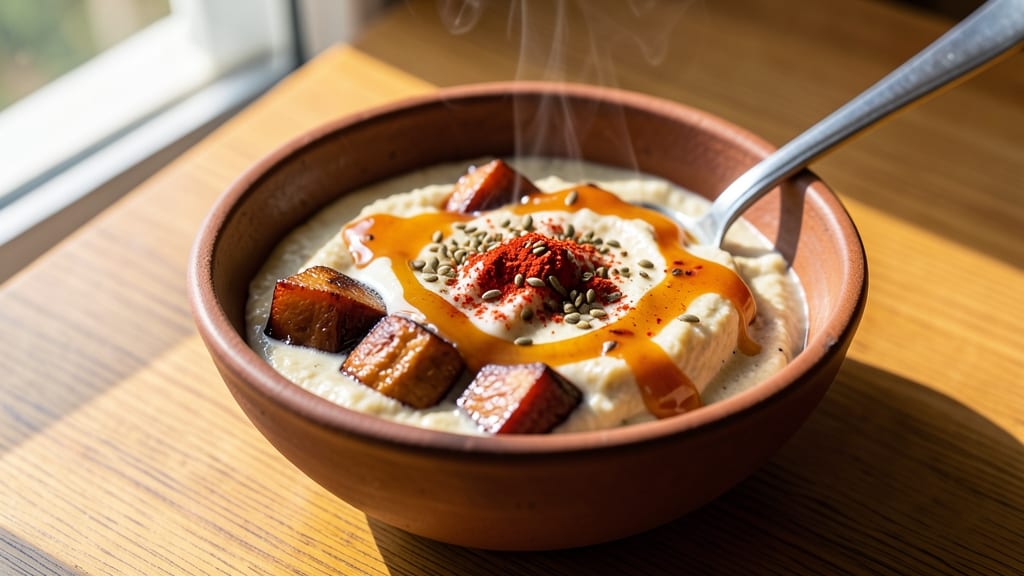
This sweet potato chutney recipe transforms humble ingredients into a vibrant, tangy-spiced condiment that elevates everything from dosas to grilled meats. The natural sweetness of roasted sweet potatoes blends seamlessly with toasted spices, coconut, and a touch of acidity—creating a thick, spreadable sauce with depth that lingers.
What makes this recipe special is its versatility; it works equally well as a sandwich spread, curry accompaniment, or dip for crispy appetizers.
The process is straightforward yet transformative: roasted sweet potatoes form the base, while cumin, coriander, and chili build warmth and complexity. A splash of tamarind or vinegar brightens the flavors, balancing the natural sweetness.
The key lies in blending the ingredients until smooth, then simmering just enough to thicken without losing texture—resulting in a chutney that’s rich, aromatic, and impossible to resist.
What you’ll end up with is a tangy-spiced blend that’s thick enough to cling to food but still spreadable for sandwiches. The aroma alone—warm spices mingling with roasted sweet potatoes—will have your kitchen smelling like a bustling South Indian restaurant.
This chutney keeps well for up to a week in the fridge, making it perfect for meal prep or gifting.
Use it to enhance dosas, drizzle over grilled chicken, or spread generously on toast with butter. The possibilities are endless, but the technique remains simple: roast, blend, and simmer. Let’s make this flavorful condiment that turns ordinary meals into something extraordinary.
Ingredients for sweet potato chutney
Eleven vibrant ingredients blend into a rich, aromatic chutney perfect for curries and sandwiches.
| Ingredient | Amount | Notes |
|---|---|---|
| Sweet Potatoes 🍠 | 2 lbs | Orange-fleshed, peeled and cubed |
| Unsweetened Coconut Milk 🥥 | 1 can (13.5 oz) | Full-fat for creaminess |
| Ground Cumin Seeds 🌿 | 1 ½ tbsp | Toasted for depth of flavor |
| Ground Coriander Seeds 🌿 | 1 ½ tbsp | Toasted for aromatic notes |
| Red Chili Powder 🌶️ | 1 tbsp | Adjust for heat preference |
| Tamarind Paste 🍋 | 2 tbsp | Or substitute lime juice |
| Ginger Root 🧄 | 1 tbsp | Freshly grated, peeled |
| Garlic Cloves 🧄 | 4 cloves | Peeled and minced |
| Extra-Virgin Olive Oil 🫒 | ¼ cup | For roasting sweet potatoes |
| Coconut Oil 🥥 | 2 tbsp | For sautéing spices |
| Sea Salt 🧂 | ½ tsp | Diamond Crystal preferred |
| Fresh Cilantro 🌿 | ¼ cup | Chopped, for garnish |
The sweet potatoes are the foundation—choose orange-fleshed varieties for natural sweetness and vibrant color. Roast them until caramelized for depth of flavor, which transforms this chutney from ordinary to extraordinary. For spices, toast your cumin and coriander seeds in a dry pan for 30 seconds before grinding—this releases their essential oils and creates that authentic South Indian aroma. Whole Foods or Indian specialty markets carry pre-toasted seeds, but toasting at home makes all the difference. Tamarind paste is non-negotiable for that signature tang, though lime juice works in a pinch if you can't find it.
No tamarind? Double the lime juice and add a pinch of sugar to balance the acidity. Running short on coconut milk? Substitute Greek yogurt for a tangier profile, though the texture will be slightly thinner. The ginger and garlic can be swapped for 1 tbsp each of ginger-garlic paste if you prefer convenience. For heat control, reduce chili powder to 0.5 tbsp if you're sensitive to spice. Fresh cilantro is ideal for garnish, but dried cilantro or mint leaves work if you're out—just use half the amount.
This chutney thickens as it cools, so add a splash of water if needed before serving. Store in an airtight container in the fridge for up to 7 days, though it often disappears faster than that. Freeze for 3 months by portioning into ice cube trays—perfect for quick use in curries or sandwich spreads. The flavors actually deepen over time, making it a perfect make-ahead condiment for entertaining.
Why You'll Love This Recipe
- One-Pot Magic: I swear by this recipe because it’s actually one-pot—just roast the sweet potatoes until tender, blend with the spices and coconut milk, and boom. No extra bowls, no mess, just that warm, spiced aroma filling the kitchen while you stir.
- Spice Bomb Fusion: Honestly, the combo of earthy cumin, citrusy coriander, and a kick of chili powder turns this into something special. The coconut milk smooths it out just enough to make it dangerously good with everything—crispy roasted veggies, grilled meats, or even straight from the jar.
- Lunchbox Legend: Between us, this is my go-to for meal prep. The sweetness balances the heat, and it keeps perfectly for days in the fridge. Pack it with rice or crackers, and suddenly you’ve got a lunch that’s way more exciting than sad desk salads.
- Pantry Stash Winner: Here’s what sold me—it uses ingredients I already have. Sweet potatoes are cheap, coconut milk lasts forever, and those spices? They’re the same ones in my curry blend. No last-minute grocery runs, just flavor that doesn’t break the bank.
Step-by-step instructions for sweet potato chutney
This chutney balances sweet, tangy, and spicy flavors with a velvety coconut finish.
🍳 Step 1: Roast the Sweet Potatoes Until Caramelized
Preheat your oven to 400°F and line a baking sheet with parchment paper. Toss the 2 lbs sweet potatoes (peeled and cubed into ½-inch pieces) with 0.25 cup extra-virgin olive oil and 0.5 tsp sea salt. Spread them in a single layer, leaving space between each cube for even browning.
Roast for 35-40 minutes, stirring once halfway through, until the edges are deep golden brown and the flesh begins to soften. The potatoes should smell sweetly caramelized—this is your cue they're ready. Let them cool slightly before proceeding, as hot potatoes release excess moisture that can dilute your chutney's intensity.
🍳 Step 2: Toast the Spices for Maximum Flavor
In a dry skillet over medium heat, add 2 tbsp coconut oil and the 1.5 tbsp ground cumin seeds and 1.5 tbsp ground coriander seeds. Toast for 2-3 minutes, stirring constantly, until the spices release their aroma and the cumin develops a deep, nutty fragrance. Immediately transfer to a bowl to stop cooking—over-toasting burns their delicate flavors.
To the same skillet, add the 1 tbsp ginger root and 4 cloves garlic cloves (minced). Sauté for 1 minute until fragrant but not browned. This quick cook preserves their fresh, bright qualities rather than letting them turn bitter. Remove from heat and set aside with the toasted spices.
🥘 Step 3: Build the Chutney Base with Tamarind and Coconut
In a blender or food processor, combine the cooled sweet potatoes, toasted spices, ginger-garlic mixture, 1 tbsp red chili powder, and 2 tbsp tamarind paste. Pulse until smooth but slightly textured—you want a thick, spreadable consistency with visible flecks of spice. Scrape down the sides as needed to ensure even blending.
With the blender running, slowly pour in the 1 can (13.5 oz) unsweetened coconut milk through the feed tube. This gradual addition prevents splattering and creates a silky, cohesive texture. Taste and adjust seasoning—add more red chili powder for heat or tamarind paste for tang if needed. The chutney should balance sweetness from the potatoes with the sharp tang of tamarind and subtle heat from the spices.
🔪 Step 4: Finish and Garnish for Freshness
Transfer the chutney to a saucepan and simmer over low heat for 5-7 minutes, stirring occasionally, until it thickens slightly and the flavors meld. The mixture should coat the back of a spoon but remain spreadable—not gluey. Remove from heat and let cool for 10 minutes to allow the spices to bloom fully.
Stir in the 0.25 cup fresh cilantro just before serving to brighten the chutney with a fresh, herbal note. The cilantro should be finely chopped to distribute evenly. Serve warm or at room temperature as a condiment for curries, sandwiches, or grilled meats. Store in an airtight container in the refrigerator for up to 5 days, or freeze for longer storage.
Pro Tips For Making Sweet Potato Chutney
- Boil Until Fork-Tender: Sweet potatoes should collapse like overripe fruit when pierced with a fork—no half-chewy lumps. I learned this the hard way after serving a batch where I rushed the cooking; now I boil them 10-15 minutes past the "soft" stage, especially if using larger tubers.
- Toast Spices First: Bloom your ground cumin and coriander in coconut oil for 30 seconds before adding sweet potatoes. This wakes up their flavors and prevents that dull, raw-spice taste. (Yes, even if it smells like nothing at first—it’s working.)
- Strain for Smoothness: Skip blending the coconut milk directly with the potatoes—strain the cooked sweet potato mixture through a fine-mesh sieve first. This removes fibrous bits and gives you that silky, restaurant-quality texture. (Save the pulp for roasting if you’re feeling fancy.)
- Finish with Chili: Add red chili powder after cooking, not during. Heat mellows spices, and this lets you control the heat level—adjust to taste at the end. Pro move: Mix it with a pinch of salt first to distribute it evenly.
Common mistakes when making great sweet potato chutney
Under-Roasted Potatoes
Sweet potatoes that aren't caramelized enough will make your chutney taste bland and watery. I've learned the hard way—when they're pale and undercooked, they release too much moisture during blending, thinning out the chutney and diluting those precious toasted spice flavors.
Always roast until edges are deep golden brown and the flesh is tender when pierced with a fork. If you're unsure, roast 5-10 minutes longer—better safe than sorry. 🍠
Skipping Spice Toasting
One of the biggest flavor mistakes is using pre-ground spices straight from the jar without toasting them first. Toasted cumin and coriander develop that nutty, aromatic depth that makes this chutney sing. I once made a batch with store-bought ground spices and it tasted flat—like something was missing.
Always toast your whole spices in 2 tbsp coconut oil for 2-3 minutes until fragrant. This simple step transforms your chutney from good to extraordinary. 🌿
Over-Blending the Mixture
I've seen people blend chutney until it's completely smooth, but that's a mistake. A perfectly textured chutney should have slight flecks of spice and potato visible—this adds visual appeal and prevents a gluey consistency. Over-blending also releases starches that make the chutney too thick or gummy.
Pulse your blender until you reach a thick, spreadable consistency with small visible particles. If it gets too thick, add 1-2 tbsp water while blending. ✨
Ignoring the Tamarind
The tamarind is what gives this chutney its signature tangy balance, and skipping it or using too little results in a sweet, flat chutney. I've had batches where I forgot to add tamarind completely—don't make this mistake!
If you can't find tamarind paste, double the lime juice and add ½ tsp sugar to mimic the complex sour-sweet profile. The acidity cuts through the sweet potatoes and coconut, creating that perfect flavor harmony. 🍋
Rushing the Simmering
Simmering the chutney is where the flavors truly meld together, and skipping this step or rushing it means you'll miss out on that depth of flavor. I once tried to serve chutney immediately after blending, and it tasted disjointed. Always simmer over low heat for 5-7 minutes, stirring occasionally.
This allows the spices to bloom fully and the coconut milk to thicken slightly without curdling. The chutney should coat the back of a spoon but still be spreadable—not gluey. 🥘
Using Low-Quality Coconut Milk
Not all coconut milk is created equal, and using light or watery versions can ruin your chutney's creaminess. I've made chutney with canned coconut milk that was more water than cream, and the final texture was disappointing. Always use full-fat unsweetened coconut milk for that rich, velvety consistency.
If you're out, Greek yogurt works in a pinch, though the texture will be slightly thinner. The coconut milk is what gives this chutney its luxurious mouthfeel, so don't skimp. 🥥
Nutrition facts
Frequently asked questions
Can I substitute regular potatoes for sweet potatoes in this chutney?
Regular potatoes won't work well—they lack the natural sweetness and vibrant color that make this chutney special. Sweet potatoes provide a perfect balance of sweetness and earthiness that pairs beautifully with the spices. If you must use regular potatoes, roast them longer to caramelize and add 1 tbsp brown sugar to compensate for the missing sweetness.
How do I adjust the heat level in this chutney?
Start with 1 tbsp red chili powder for mild heat, then adjust to taste. For medium heat, use 1.5 tbsp, and for spicy, go up to 2 tbsp. If you prefer a smoky depth, add ½ tsp smoked paprika during the simmering stage. Always taste before serving—you can't remove excess heat once it's added.
What's the best way to store and reheat this chutney?
Store in an airtight container in the fridge for up to 5 days, or freeze for 3 months in ice cube trays. To reheat, warm gently in a saucepan over low heat for 2-3 minutes, stirring constantly. Avoid microwaving as it can make the coconut milk separate. Stir in fresh cilantro after reheating to restore brightness.
Can I make this chutney without coconut milk?
Yes! For a dairy-free version, use ½ cup Greek yogurt mixed with ½ cup water instead. For a nut-free option, substitute with ½ cup cashew cream (soaked cashews blended with water). The texture will be slightly thinner, so simmer longer to thicken.
How can I use this chutney beyond sandwiches and curries?
Get creative! Spread it on toast with butter, mix into hummus for extra depth, or drizzle over roasted vegetables. It also makes a fantastic dip for chips or spring rolls. For a fusion twist, use it as a marinade for grilled chicken or tofu. The possibilities are endless—just remember it's best served at room temperature for optimal flavor.