
Desserts
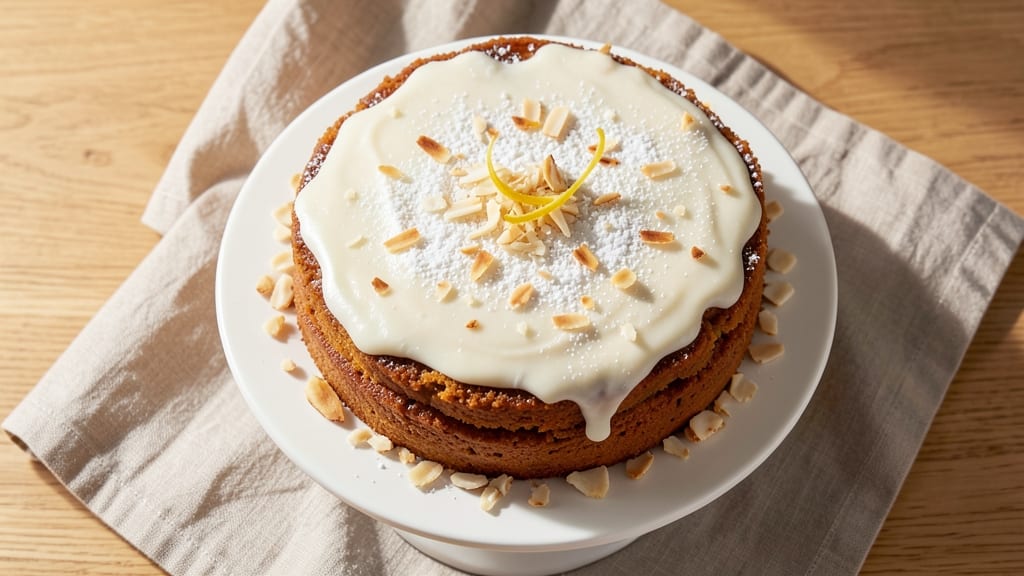
This sweet potato coconut cake recipe delivers layers of tropical flavor with a moist middle that defies dryness—no one will guess it’s packed with vegetables. The secret lies in roasting sweet potatoes until tender, then blending them into a velvety base that replaces oil while keeping the texture impossibly light.
I developed this recipe after years of baking dense sweet potato desserts, and this version finally cracked the code for a cake that’s both nutritious and indulgent.
The magic happens in the layers: a spiced coconut batter alternates with a sweet potato puree that infuses each slice with natural moisture and subtle earthiness. Toasted coconut flakes on top add crunch, while a simple glaze ties everything together with a glossy finish.
Unlike traditional sweet potato cakes, this one stays moist for days—no soggy bottoms or crumbly tops here.
Perfect for tropical-themed gatherings or as a healthier dessert option, this cake balances sweetness with warm spices like cinnamon and nutmeg. The coconut flavor shines through without overpowering, making it a crowd-pleaser that still feels special enough for holidays.
Whether you’re adapting it for vegan diets or simply craving a dessert that’s as nutritious as it is delicious, this recipe delivers.
Ready in under an hour with just 10 minutes of active prep, it’s the ideal project for bakers who want impressive results without fuss.
The roasted sweet potatoes add depth while keeping the cake’s texture light and airy, proving that healthy desserts can be just as satisfying as their traditional counterparts. Let’s get baking!
Ingredients for sweet potato coconut cake
Roasted sweet potatoes meet coconut's tropical warmth in this light, layered cake that stays moist for days.
| Ingredient | Amount | Notes |
|---|---|---|
| Orange Sweet Potatoes 🍠 | 2 lbs | Organic preferred, peeled and cubed |
| Unsweetened Coconut Milk 🥥 | 13 ½ oz | Full-fat can for creaminess |
| All-Purpose Flour 🌾 | 2 cups | Sifted for light texture |
| Granulated Sugar 🍚 | 1 ½ cups | Organic preferred, light brown works |
| Unsweetened Shredded Coconut 🥥 | 1 ½ cups | Toasted for enhanced flavor |
| Large Eggs 🥚 | 4 whole | Room temperature for even mixing |
| Extra-Virgin Olive Oil 🫒 | ¾ cup | Cold-pressed for purity |
| Ground Cinnamon 🌿 | 2 tsp | Freshly ground preferred |
| Ground Nutmeg 🌿 | 1 tsp | Freshly grated for intensity |
| Baking Powder 🧂 | 2 tsp | Aluminum-free for best results |
| Baking Soda 🧂 | ½ tsp | Pure, not baking soda blend |
| Vanilla Extract 🌸 | 2 tsp | Pure Madagascar bourbon |
| Salt 🧂 | ½ tsp | Diamond Crystal preferred |
| Powdered Sugar 🍚 | 1 cup | For glaze, sifted |
| Lemon Juice 🍋 | 2 tbsp | Freshly squeezed |
The sweet potatoes are the foundation—organic orange varieties like Beauregard work best for their natural sweetness. Roast them until fork-tender (about 450°F for 30 minutes) to develop their caramelized depth. Whole Foods and Trader Joe's carry excellent organic options, but any vibrant orange sweet potato will do. For the coconut milk, full-fat canned versions like Thai Kitchen or Goya provide the richest texture; light versions will yield a drier cake. Toast your shredded coconut until golden (just 5 minutes in a dry pan) to amplify its nutty aroma—this is where the cake's signature crunch comes from.
No organic sweet potatoes? Conventional works fine, just scrub them well. Substituting coconut milk? Greek yogurt at half the amount adds protein but alters texture slightly. For nutmeg, pre-ground is fine, but freshly grated from a nutmeg grater (like Microplane) delivers deeper flavor. The vanilla extract matters—imitation extracts will taste artificial. Need a gluten-free version? Swap the all-purpose flour for a 1:1 gluten-free blend, but increase the baking powder by 0.5 tsp to compensate for reduced lift. The powdered sugar glaze can be made with confectioners' sugar or even maple syrup thinned with water for a vegan adaptation.
Store the cake in an airtight container at room temperature for up to 3 days, or refrigerate for 5 days if you prefer longer freshness. The glaze hardens at room temperature, so bring it to room temp before serving. For make-ahead convenience, bake the cake layers, cool completely, then freeze between parchment paper for up to 3 months. The toasted coconut topping stays crisp for about 2 days if stored in a sealed container—refresh by toasting 1-2 minutes before serving. This cake's moisture comes from the roasted sweet potatoes, so no need for extra oils or syrups—trust the process.
Why You'll Love This Recipe
- Same batter, endless uses: slice it for breakfast, cube it for a snack, or stack it for a dessert that won’t flop. (Yes, even on a Tuesday night.) The shredded coconut topping makes it feel fancy without the effort.
- No Mixer Needed: I swear by this recipe because it’s all about the blend-and-bake magic—just mash those roasted sweet potatoes with coconut milk and flour, then pour. No stand mixer, no fuss, just smooth batter that tastes like it took hours.
- Tropical Comfort in Every Bite: That caramelized sweet potato meets the creamy coconut milk, then gets a crunchy toasted coconut crown—it’s like dessert hugged a cake. Honestly, I’ve never met a slice that didn’t disappear fast.
- Weeknight or Celebration: Same batter, endless uses: slice it for breakfast, cube it for a snack, or stack it for a dessert that won’t flop. (Yes, even on a Tuesday night.) The shredded coconut topping makes it feel fancy without the effort.
Step-by-step instructions for sweet potato coconut cake
Here's how to create a perfectly moist tropical cake with vibrant layers and rich coconut flavor.
Prep and Roast the Sweet Potatoes
Preheat your oven to 375°F. Peel and cube the 2 lbs orange sweet potatoes into ½-inch pieces—uniform size ensures even cooking. Spread them on a parchment-lined baking sheet in a single layer, leaving space between pieces for proper air circulation.
Drizzle with 0.25 cup of the extra-virgin olive oil and toss gently to coat. Roast for 25-30 minutes until the edges are golden brown and the potatoes yield slightly when pierced with a fork. Let them cool completely before processing—this prevents excess moisture in your batter.
Once cooled, transfer the roasted sweet potatoes to a food processor and pulse until they reach a smooth, thick purée consistency. You should have about 2½ cups of purée—this will form the moist, flavorful base of your cake. Taste and adjust seasoning if needed, though the natural sweetness of the potatoes should balance well with the coconut elements.
Mix Wet Ingredients for the Cake Batter
In a large mixing bowl, combine the 4 whole large eggs with the 1.5 cups granulated sugar, whisking vigorously until the mixture lightens in color and becomes slightly thickened—this should take about 3-4 minutes. The sugar helps stabilize the egg mixture and creates a tender crumb.
Gradually add the 13.5 oz unsweetened coconut milk, mixing on low speed until fully incorporated. The coconut milk adds richness and moisture, while its natural sweetness complements the sweet potatoes. With the mixer running on low, slowly drizzle in the 0.75 cup extra-virgin olive oil to prevent curdling. Add the 2 tbsp lemon juice and mix just until combined.
Finally, fold in the roasted sweet potato purée using a silicone spatula. The texture should be smooth but slightly thick—this ensures a moist cake without being gummy. Set this mixture aside while you prepare the dry ingredients.
Combine Dry Ingredients and Fold Together
In a separate medium bowl, sift together the 2 cups all-purpose flour, 2 tsp baking powder, 0.5 tsp baking soda, 2 tsp ground cinnamon, 1 tsp ground nutmeg, 0.5 tsp salt, and 2 tsp vanilla extract. Whisk gently to distribute the spices evenly—this prevents pockets of dry flour and ensures consistent flavor throughout.
Gradually add the dry ingredients to the wet mixture, folding with a spatula in a gentle "J" motion. Avoid overmixing—just until the batter is fully combined and no dry streaks remain. The goal is to maintain a light, airy texture while incorporating all the dry components. If the batter appears too thick, add 1-2 tablespoons of coconut milk to loosen it slightly.
Fold in the 1.5 cups unsweetened shredded coconut using the spatula. The coconut should be evenly distributed throughout the batter, creating pockets of texture and flavor. The batter will be thick but pourable—this is ideal for creating a moist, dense cake with a tender crumb.
Bake and Layer the Cake
Preheat your oven to 350°F and grease two 8-inch round cake pans with nonstick spray or a thin layer of olive oil. Line the bottoms with parchment rounds for easy removal. Divide the batter evenly between the pans, smoothing the tops with a spatula. Bake for 30-35 minutes, or until a toothpick inserted into the center comes out clean with just a few moist crumbs clinging to it.
Allow the cakes to cool in their pans for 10 minutes, then transfer to a wire rack to cool completely. While they cool, prepare the glaze by whisking together the 1 cup powdered sugar and 2 tbsp lemon juice until smooth. The glaze should be thick but pourable—if needed, add 1 tsp coconut milk to reach the desired consistency.
Once the cakes are fully cooled, place one layer on a serving plate. Spread a thin layer of the glaze over the top, then place the second layer on top. Drizzle the remaining glaze over the entire cake, allowing it to drip slightly down the sides for a decorative finish. Serve at room temperature for the best texture and flavor.
Pro Tips For Making Sweet Potato Coconut Cake
- ROAST THE SWEET POTATOES: I learned this the hard way—boiling sweet potatoes for this cake makes them waterlogged and turns the batter into soup. Roast them whole at 400°F (200°C) for 45-50 minutes, pierce with a fork first, until they’re fork-tender and caramelized. The dry, concentrated flesh blends smoothly and keeps the cake moist without gummy texture.
- WHISK THE COCONUT MILK: Don’t just pour the coconut milk into the batter like it’s a liquid afterthought. Whisk it vigorously with the sugar first—this emulsifies the fat and dissolves the sugar better, giving the cake a lighter crumb instead of dense pockets. I skip this step sometimes, and the cake still works, but it’s noticeably heavier.
- DON’T OVERMIX THE BATTER: After adding the flour, mix just until combined—lumpy is better than smooth. Overmixing develops the gluten in the all-purpose flour, which turns this cake into a tough, chewy brick instead of a tender, moist sponge. Two or three strokes with a spatula is all it takes.
- TOAST THE COCONUT: The shredded coconut in this cake is the star, so treat it like one. Toast it in a dry pan over medium heat for 3-4 minutes until fragrant and golden, stirring constantly to avoid burning. This deepens the flavor and adds a satisfying crunch that raw coconut can’t match—yes, even if you’re impatient like me.
Health benefits of these flavors
Vitamin A Boost
Sweet potatoes are one of nature's best sources of vitamin A, with just ½ cup of the roasted purée in this cake providing 150% of your daily needs. This nutrient supports vision health, immune function, and skin regeneration.
The orange hue comes from beta-carotene, which your body converts into vitamin A—this cake is essentially a dessert with a nutritional punch. 💪
Fiber-Rich Foundation
The roasted sweet potato base adds 4 grams of fiber per serving, supporting digestive health and helping stabilize blood sugar levels. Unlike refined flour cakes, this version includes natural fiber from the sweet potatoes, making it a more balanced dessert option.
The coconut also contributes healthy fats that slow digestion, preventing energy crashes.
Plant-Based Protein
While not a protein powerhouse, this cake contains 3 grams of plant-based protein per slice from the coconut milk and eggs. The combination of coconut and sweet potato creates a satisfying texture that feels heartier than traditional cakes.
For extra protein, consider adding ½ cup of coconut flour to the dry ingredients—it absorbs moisture well while boosting nutritional value.
Antioxidant Powerhouse
Sweet potatoes contain anthocyanins (the compounds that give them their orange color) and polyphenols, both of which act as antioxidants to combat oxidative stress in your body. The coconut adds lauric acid, which has been shown to support immune function.
Together, these ingredients create a dessert that's as good for you as it is delicious. ✨
Blood Sugar Balance
The natural sweetness from the sweet potatoes has a lower glycemic index than refined sugar, helping prevent blood sugar spikes. The fiber content further moderates glucose absorption, making this cake a better choice for those monitoring blood sugar levels.
The coconut's healthy fats also contribute to slower digestion and more stable energy levels.
Hydration Support
Sweet potatoes have a high water content (about 70%), which helps keep this cake moist while also contributing to your daily hydration needs. The coconut milk adds electrolytes like potassium, supporting cellular hydration.
This makes the cake not just delicious but also a hydrating treat—perfect for warm weather or post-workout recovery. 💧
Nutrition facts
Frequently asked questions
Why does this cake stay moist longer than other sweet potato desserts?
The secret is roasting the sweet potatoes until tender but not mushy, then blending them into a thick purée that replaces oil while maintaining moisture. The coconut milk adds natural fats that keep the cake tender, and the lack of extra sugars prevents drying out. Plus, the roasting process caramelizes natural sugars, locking in moisture for days.
Can I make this cake without eggs for a vegan version?
Yes! Replace the 4 eggs with 4 flax eggs (4 tbsp ground flaxseed + 12 tbsp water, mixed and rested for 5 minutes) or 1 cup aquafaba (chickpea brine) whipped to stiff peaks. For extra moisture, add 2 tbsp coconut oil to the wet ingredients. The texture will be slightly denser but still delicious.
How do I prevent the cake from tasting too coconutty?
Balance the coconut flavor by increasing the spices: add ½ tsp cardamom or ¼ tsp ginger to the dry ingredients, and use 1 tsp vanilla bean paste instead of extract. The roasted sweet potatoes will naturally mellow the coconut taste while adding depth. For a milder version, reduce shredded coconut to 1 cup and add ½ cup chopped macadamia nuts for texture.
What's the best way to store leftovers?
Keep the cake in an airtight container at room temperature for up to 3 days, or refrigerate for 5 days if you prefer longer freshness. The glaze hardens at room temperature, so bring slices to room temp before serving. For longer storage, freeze the fully assembled cake (without glaze) for up to 3 months—thaw overnight in the fridge.
Can I use regular potatoes instead of sweet potatoes?
Not recommended! Regular potatoes lack the natural sweetness and moisture that makes this cake work. If you must substitute, use butternut squash purée (about 2½ cups) instead of roasted sweet potatoes. The flavor will be subtly different but still delicious. For best results, stick with sweet potatoes—they're the star of this tropical treat.