
Side Dishes
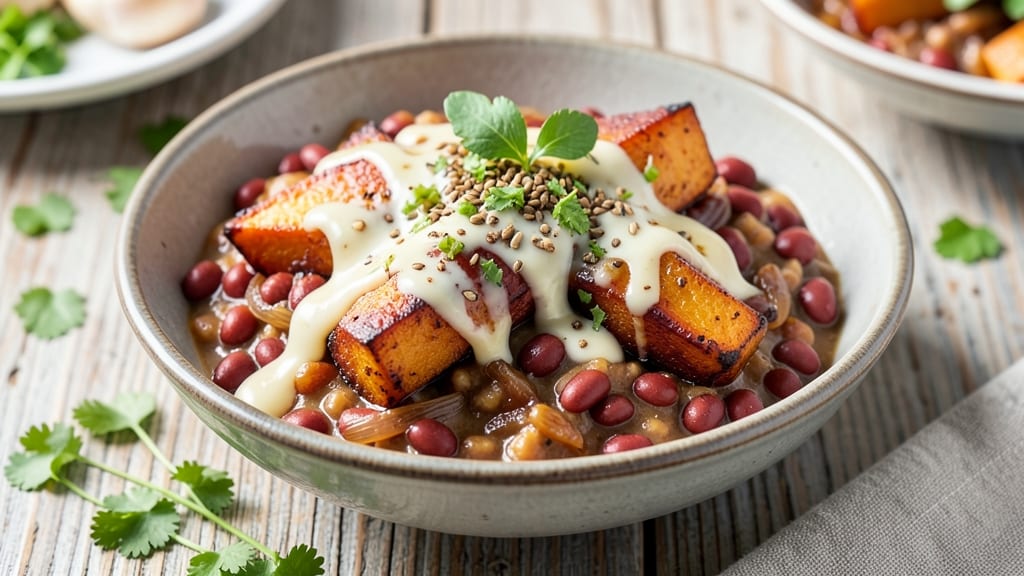
This sweet potato dhal recipe transforms humble lentils and roots into a velvety, spiced masterpiece that rivals any restaurant curry. The secret lies in blending roasted sweet potatoes directly into the dhal, creating a naturally sweet, creamy texture that balances earthy spices.
What makes this dish extraordinary is how it combines the heartiness of lentils with the natural sweetness of sweet potatoes—no extra sugar needed.
The foundation begins with toasting whole spices until fragrant, then building layers of flavor through slow simmering. Coconut milk adds richness while keeping the dish plant-based, and red lentils break down into tender, melt-in-your-mouth perfection.
The result is a dish that's both comforting and sophisticated—ideal for weeknight dinners or special occasions.
By the time you serve this dhal, you'll have a pot of aromatic, golden-hued curry with a velvety consistency that coats every spoonful. The sweet potatoes lend natural sweetness that complements the warm spices, while the lentils provide satisfying protein.
It's the kind of dish that improves with time, as flavors deepen during the final simmer.
Perfect as a standalone vegetarian main or paired with rice and naan, this recipe delivers restaurant-quality results with simple pantry staples. The technique is straightforward but yields a dish that feels special—ideal for those who want bold flavors without complicated steps. Let's get cooking!
Ingredients for sweet potato dhal
Transform humble lentils and sweet roots into a velvety, aromatic masterpiece with these thoughtfully chosen ingredients.
| Ingredient | Amount | Notes |
|---|---|---|
| Red Lentils 🌾 | 1 ½ cups | Rinsed thoroughly before use |
| Sweet Potatoes 🍠 | 2 medium | Peeled, cubed into 1-inch pieces |
| Fresh Ginger 🌿 | 2 tbsp | Finely grated, aromatic |
| Yellow Onion 🧅 | 1 whole | Finely diced, medium size |
| Garlic Cloves 🧄 | 6 cloves | Minced, aromatic |
| Coconut Milk 🥥 | 1 can | Full-fat, unsweetened |
| Vegetable Broth 💧 | 3 cups | Low-sodium preferred |
| Tomato Paste 🍅 | 2 tbsp | Smooth, no added salt |
| Ground Cumin 🌿 | 1 ½ tsp | Toasted for depth |
| Ground Coriander 🌿 | 1 tsp | Freshly ground preferred |
| Turmeric Powder 🌶️ | ½ tsp | Bright, vibrant color |
| Garam Masala 🌶️ | 1 tsp | Homemade or quality store-bought |
| Lemon Juice 🍋 | 1 tbsp | Freshly squeezed |
| Coconut Oil 🫒 | 2 tbsp | For roasting sweet potatoes |
| Sea Salt 🧂 | 1 ½ tsp | Adjust to taste |
The sweet potatoes are the heart of this dish, so prioritize firm, vibrant orange varieties—they roast beautifully and lend natural sweetness. Trader Joe's and Whole Foods carry excellent organic options, but any medium-sized sweet potato works. Peel and cube them into 1-inch pieces before roasting to ensure even cooking. The coconut milk should be full-fat and unsweetened—Thai Kitchen or Aroy-D brands deliver consistent quality. For the lentils, red lentils are ideal as they break down into a creamy texture, but brown lentils can be substituted if preferred.
No fresh ginger? Powdered ginger at half the amount works in a pinch, though fresh yields superior depth. Short on tomato paste? Fresh tomatoes blended provide a brighter acidity—simply cook them down until thickened. The garam masala is non-negotiable for authentic flavor; if making your own, toast cinnamon, cardamom, cloves, and black pepper until fragrant before grinding. For a quicker version, Patel Brothers or Spicewalla blends are excellent. The vegetable broth should be low-sodium—homemade or Pacific Foods brands are ideal.
Roasted sweet potatoes can be prepped 1 day ahead and stored in an airtight container in the fridge. The cooked dhal tastes even better the next day as flavors meld—portion into glass containers for easy reheating. For longer storage, freeze in single-serving portions for up to 3 months. Garnish with fresh cilantro or a drizzle of extra-virgin olive oil just before serving to elevate presentation.
Why You'll Love This Recipe
- One-Pot Magic: I swear by this—just toss everything into a single pot, and 30 minutes later, you’ve got a meal. No fancy techniques, no extra bowls to wash. The sweet potatoes soften while the lentils cook, and the ginger-onion base builds flavor without babysitting.
- Sweet Heat Balance: That caramelized sweet potato meets the earthy lentils? It’s a match made in comfort food heaven. The ginger and garlic add a bright kick, but the natural sweetness keeps it from being too sharp—like a hug in a bowl.
- Lunchbox Hero: Between us, this is my go-to for meal prep. The texture holds up for days, and I can portion it into containers with rice or naan. My kids (yes, even the picky one) grab it for school lunches—no complaints, just empty containers.
- Budget Win: Red lentils and sweet potatoes stretch this recipe into a full week’s worth of dinners. Honestly, I’ve made it for $2 a serving, and it still feels like a restaurant dish. Leftovers? Even better the next day—if there are any.
Step-by-step instructions for sweet potato dhal
Transform simple ingredients into a rich, velvety dhal with this method—where sweet potatoes meet aromatic spices.
Roast Sweet Potatoes Until Caramelized
Preheat your oven to 400°F and line a baking sheet with parchment paper. Toss the 2 medium sweet potatoes, peeled and cut into 1-inch cubes, with 2 tablespoons coconut oil and ½ teaspoon sea salt. Spread them in a single layer, ensuring they don't overlap—this prevents steaming instead of roasting.
Roast for 25-30 minutes until the edges are deep golden brown and the cubes are tender when pierced with a fork. The sweet potatoes should smell caramelized and slightly nutty. Remove from the oven and set aside—their natural sugars will deepen the dhal's flavor as it simmers.
Sauté Aromatics and Toast Spices
In a large, heavy-bottomed pot, heat 1 tablespoon coconut oil over medium heat. Add the 1 whole yellow onion, finely diced, and cook for 5-6 minutes until softened and translucent. Add the 6 cloves garlic, minced, and 2 tablespoons fresh ginger, finely grated, cooking for another 1-2 minutes until fragrant—this is the flavor foundation.
Reduce heat to low and add the 1.5 teaspoons ground cumin, 1 teaspoon ground coriander, ½ teaspoon turmeric powder, and 1 teaspoon garam masala. Toast the spices for 30 seconds, stirring constantly, until they release their aromatic oils. The kitchen should fill with a warm, earthy scent—this ensures maximum flavor extraction.
Build the Dhal Base with Lentils and Broth
Add the 1.5 cups red lentils (rinsed thoroughly) and 2 tablespoons tomato paste to the pot, stirring to coat the lentils in the spiced oil. Pour in the 3 cups vegetable broth and bring to a gentle boil. Once boiling, reduce heat to medium-low and simmer uncovered for 15 minutes, stirring occasionally to prevent sticking.
After 15 minutes, the lentils should begin to soften but still retain some bite. Add the roasted sweet potatoes and 1 can coconut milk, stirring gently to combine. The coconut milk will create a creamy texture while the sweet potatoes release their natural sweetness. Simmer for another 10-12 minutes until the lentils are tender and the mixture reaches a velvety consistency.
Finish with Acid and Season to Taste
Remove the pot from heat and stir in the 1 tablespoon lemon juice and remaining ½ teaspoon sea salt. The acid brightens the flavors and balances the richness of the coconut milk. Taste and adjust seasoning—you may need an additional pinch of salt or a splash more lemon juice to achieve harmony.
Let the dhal rest for 5 minutes before serving. This resting period allows the flavors to meld completely. Garnish with fresh cilantro or a drizzle of coconut milk if desired. The result should be a luscious, spiced blend where the earthy lentils and sweet potatoes shine, perfectly balanced by the aromatic spices.
Pro Tips For Making Sweet Potato Dhal
- Peel Sweet Potatoes First: I learned this the hard way—peeling them before cutting saves you from a sticky, gummy mess later. Sweet potatoes oxidize fast, and unpeeled chunks left in boiling water turn the dhal water murky. Plus, peeled skin won’t cling to your knife when you dice them.
- Sauté Onions Until Golden: Don’t rush the onions—cook them on medium-low until they’re deep golden, not just soft. This builds flavor that cuts through the sweetness of the potatoes. I used to burn them, but now I keep the heat steady and stir often. Patience here makes the whole dish richer.
- Soak Lentils 30 Minutes: Skip the long soak, but give them 30 minutes in warm water before cooking. This softens them just enough to cook faster without turning mushy. I tried skipping it once, and the dhal ended up grainy—don’t make that mistake.
- Simmer, Don’t Boil: Once everything’s in the pot, keep it at a gentle simmer, not a rolling boil. High heat breaks down the lentils and potatoes, turning the dhal into a gluey mess. I now use the lowest heat that keeps tiny bubbles dancing—it’s the only way to get that creamy, velvety texture.
Common mistakes when making this recipe
Overcooking Lentils
One of the biggest mistakes is letting the lentils break down into mush. Red lentils cook quickly—15-20 minutes total—so keep an eye on them after adding broth. Overcooked lentils turn to paste, losing their satisfying texture.
I like to check at 15 minutes and adjust heat if needed. If they're still firm, simmer another 5 minutes max. 💫
Skipping Sweet Potato Roasting
Raw sweet potatoes in dhal will make the dish watery and bland. Roasting them first caramelizes their natural sugars, creating depth of flavor. Don't substitute with boiled sweet potatoes—they won't develop that rich, nutty sweetness. Roast until edges are deep golden brown for best results.
Ignoring Spice Toasting
Toast your spices for 30 seconds—this releases their essential oils and builds complex flavor. Skipping this step makes your dhal taste flat. I recommend toasting cumin, coriander, and garam masala together over low heat until fragrant. The aroma alone will transform your dish!
Adding Coconut Milk Too Early
Introducing coconut milk before the lentils are mostly cooked can create a thin, soupy consistency. Wait until after the 15-minute lentil simmer before adding it. This ensures the coconut milk creates a velvety texture rather than thinning out the dhal. Stir gently to maintain that luxurious creaminess.
Underseasoning at the End
Many home cooks hold back on salt and lemon juice, thinking they can add more later. But once the coconut milk is in, you can't easily fix over-salting.
Taste as you go—especially after adding lemon juice—and adjust gradually. I usually add ½ teaspoon salt at the end, then taste again before serving.
Using Low-Quality Coconut Milk
Not all coconut milk is created equal. Light or water-packed versions will make your dhal thin and insipid. Always use full-fat, unsweetened coconut milk—brands like Thai Kitchen or Aroy-D work beautifully. The fat content is crucial for that rich, creamy texture we're after. 🥥
Nutrition facts
Frequently asked questions
Can I substitute sweet potatoes with regular potatoes?
Regular potatoes won't work here—they lack the natural sweetness and creamy texture that makes this dhal special. Sweet potatoes caramelize beautifully when roasted, adding depth that regular potatoes simply can't match. If you must substitute, try butternut squash (peeled, cubed, and roasted first) for a similar sweetness.
How do I make this dhal spicier?
Add ½ teaspoon cayenne pepper or 1-2 teaspoons red chili flakes when toasting the spices. For heat with depth, stir in 1 teaspoon finely chopped fresh chili (like jalapeño or serrano) with the ginger and garlic. Always taste as you go—you can adjust heat at the end with extra lemon juice if needed!
Can I make this dhal without coconut milk?
Yes, but the texture will be thinner. Replace the coconut milk with ½ cup plain Greek yogurt or cashew cream (blend soaked cashews with water) for creaminess. For a dairy-free alternative, use ¼ cup tahini mixed with ¼ cup water—this adds richness while keeping the dish vegan. The flavor will be different but still satisfying.
How long will this dhal keep in the fridge?
The dhal tastes even better the next day as flavors meld! Store in an airtight container in the fridge for up to 4 days. Reheat gently on the stove with a splash of water or broth to restore creaminess. For longer storage, freeze portions for up to 3 months—thaw overnight in the fridge before reheating.
What's the best way to serve this dhal?
This hearty dhal pairs perfectly with steamed basmati rice or warm naan bread. For extra flair, garnish with fresh cilantro, toasted cumin seeds, or a drizzle of coconut yogurt. It's also delicious over quinoa or roasted cauliflower rice—great for low-carb options!