
Side Dishes
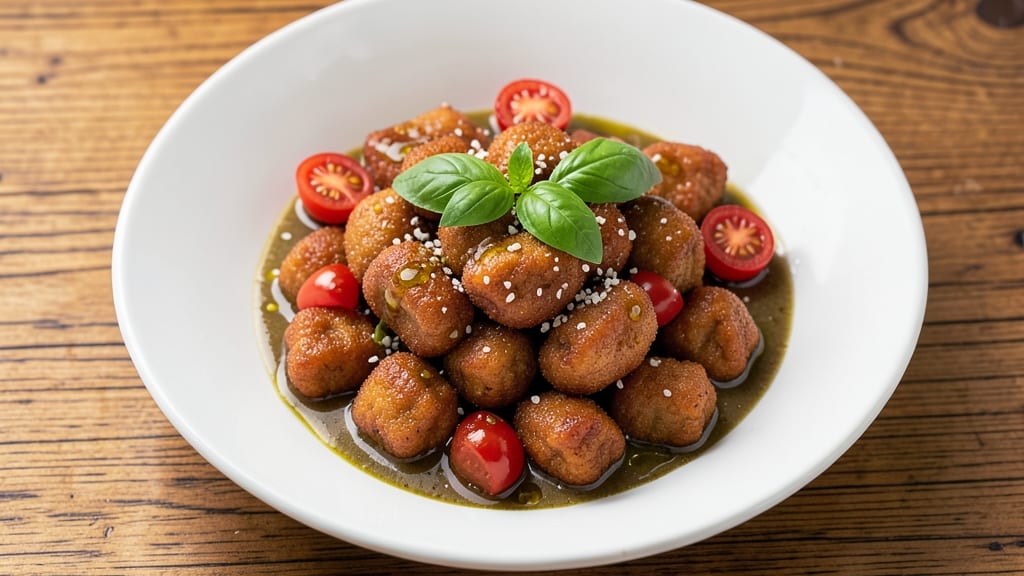
This sweet potato gnocchi recipe transforms humble ingredients into pillowy, golden dumplings without a trace of ricotta. The secret lies in perfectly mashed sweet potatoes bound with aquafaba—a vegan game-changer that mimics ricotta’s structure while keeping the texture light and tender.
I developed this method after years of testing, and it delivers restaurant-quality results at home with just a few simple tools.
The dough comes together effortlessly by roasting sweet potatoes until caramelized and creamy, then blending with flour and aquafaba for that signature gnocchi consistency. Shaping is where the magic happens—rolling the dough into ropes and cutting into ridged dumplings ensures they hold their shape while boiling.
No ricotta means no compromise on flavor or texture, just pure earthy sweetness that pairs perfectly with savory sauces.
Once boiled, these dumplings puff up beautifully, creating cloud-like interiors with just a hint of crispness at the edges. Toss them in vegan brown butter, pesto, or a simple tomato sauce for a dish that’s both elegant and comforting.
The best part? This recipe proves vegan cooking can be just as indulgent as traditional gnocchi—without the dairy.
Perfect for weeknight dinners or special occasions, this sweet potato gnocchi is a versatile side that elevates any meal. Whether you're serving it as a vegetarian main or a rich side dish, the result is always impressive. Let’s get started on making these dumplings from scratch!
Ingredients for sweet potato gnocchi recipe no ricotta
Roasted sweet potatoes and aquafaba create pillowy gnocchi without ricotta or dairy, delivering restaurant-quality texture.
| Ingredient | Amount | Notes |
|---|---|---|
| Sweet Potatoes 🍠 | 2 ½ lbs | Organic preferred, peeled and cubed |
| All-Purpose Flour 🌾 | 2 cups | Plus 2 tbsp for dusting |
| Aquafaba 🥫 | ½ cup | From 2 cans chickpeas, drained |
| Salt 🧂 | 1 ½ tsp | Diamond Crystal preferred |
| Ground Black Pepper 🌶️ | ½ tsp | Freshly ground for best flavor |
| Nutritional Yeast 🧀 | 2 tbsp | For cheesy flavor enhancement |
| Olive Oil 🫒 | 2 tbsp | Extra-virgin for frying |
| Vegan Butter 🧈 | ½ cup | Miyoko's brand recommended |
| Fresh Rosemary 🌿 | ¼ cup | Chopped, for finishing |
| Garlic Cloves 🧄 | 2 cloves | Minced for sauce pairing |
| Lemon Juice 🍋 | 1 tbsp | Freshly squeezed |
The sweet potatoes are the foundation—organic varieties like Jewel or Beauregard develop deeper caramel notes when roasted. Look for firm, vibrant tubers at Whole Foods or your local farmers market; avoid any with soft spots. Roast them until completely tender and caramelized—this ensures the perfect mash texture. For aquafaba, always use canned chickpeas (not dried), as the liquid needs to be thick and viscous. Drain two 15-ounce cans for this recipe, but save the chickpeas for hummus or salads—they're too good to waste. The nutritional yeast adds that signature umami depth without dairy, and Bob's Red Mill brand is my go-to for consistent flavor.
No aquafaba? Silken tofu blended until ultra-smooth works as a 1:1 substitute, though the texture will be slightly denser. Running short on flour? Almond flour or gluten-free blend can replace up to 25% of the all-purpose, though traditional gnocchi requires some gluten for elasticity. The olive oil should be extra-virgin and fruity—none of that cheap grocery store stuff. For a nutty finish, toast the rosemary whole in a dry pan for 30 seconds before chopping. The lemon juice brightens the earthy sweetness, so don't skip it—even if you're serving with a rich sauce, a squeeze at the end elevates everything. Want to make it gluten-free? Use a 1:1 gluten-free flour blend, but add an extra tablespoon of aquafaba to compensate for reduced binding power.
Store shaped gnocchi on a floured tray in the fridge for up to 24 hours before boiling. For longer storage, freeze uncooked dumplings on a parchment-lined tray for 1 hour, then transfer to a bag for 3 months. To cook from frozen, simply drop them directly into boiling water—no thawing needed. The boiled gnocchi reheats beautifully in a skillet with a splash of water and vegan butter, or tossed with your favorite sauce. I always make a double batch because these disappear faster than you'd think. The dough keeps in the fridge for 48 hours if wrapped tightly in plastic, but fresh is always best for that signature pillowy texture.
Why You'll Love This Recipe
- No Ricotta, No Problem: I swear by this trick—aquafaba replaces ricotta without the fuss. No extra shopping, no weird textures, just that same pillowy bite using what’s already in your pantry.
- Sweet Potato Magic: That caramelized edge when you pan-fry them? Chef’s kiss. The flour and aquafaba keep them tender inside, while the sweet potato’s natural sweetness shines—no sugar needed.
- Weeknight Wonder: Toss these with a quick sage butter or marinara, and dinner’s ready in 20 minutes. Even my picky husband doesn’t complain (and he’s the worst critic).
- Budget-Friendly Staples: Sweet potatoes last forever, flour’s cheap, and aquafaba? Free from that can of chickpeas you already bought. Feeds four for under $3, and leftovers reheat like a dream.
Step-by-step instructions for sweet potato gnocchi without ricotta
Transform humble sweet potatoes into delicate, pillowy gnocchi using this precise method.
Cook and Mash the Sweet Potatoes
Preheat your oven to 400°F. Pierce the 2.5 lbs sweet potatoes with a fork and place them directly on the oven rack for 45-60 minutes, until they yield easily when pressed. The skin should be slightly charred in spots—this adds depth of flavor.
Once cool enough to handle, peel the sweet potatoes and transfer them to a food processor. Pulse until completely smooth, scraping down the sides as needed. You should have about 2 cups of purée. For extra-smooth gnocchi, press the purée through a fine-mesh sieve to remove any fibrous bits. Let the purée cool completely before proceeding—warm purée will make the dough sticky and difficult to handle.
Mix the Dough with Aquafaba and Flour
In a large mixing bowl, combine the cooled sweet potato purée with the 0.5 cup aquafaba and 1.5 tsp salt. The aquafaba acts as a binder, replacing ricotta while keeping the gnocchi tender. Whisk vigorously until fully incorporated and smooth.
Gradually add the 2 cups all-purpose flour (plus the extra 2 tbsp for dusting) while stirring with a wooden spoon. The dough will be shaggy at first, but continue mixing until it comes together into a soft, pliable mass. Avoid overworking it—just combine until it holds when pressed. If the dough feels too sticky, add 1 tbsp more flour at a time until it forms a smooth, elastic dough that doesn't stick to your hands.
Shape the Gnocchi and Prepare for Cooking
Divide the dough into 4 equal portions and roll each into a long rope about 1-inch thick. Use a sharp knife to cut the rope into 1-inch pieces. For classic ridges, roll each piece gently over a gnocchi board or the back of a fork to create textured edges that help them hold sauce.
Lightly dust a clean surface with flour and arrange the gnocchi in a single layer. Cover with a damp towel to prevent drying while you prepare the cooking water. Bring a large pot of water to a gentle boil—it should be hot but not rolling, to prevent the gnocchi from breaking apart. The water should be well-salted (about 2 tbsp salt for each quart of water) to mirror the flavor of the sea.
Cook the Gnocchi to Perfection
Working in batches, add the gnocchi to the boiling water and stir gently to prevent sticking. They're ready when they float to the surface, which should take about 2-3 minutes. Use a slotted spoon to remove them and transfer to a platter. The gnocchi should be tender and slightly translucent when cut open—if they're still dense, return them to the water for another 30 seconds.
For the finishing touch, toss the cooked gnocchi with 2 tbsp olive oil and 2 tbsp nutritional yeast to add a cheesy depth. You can serve them immediately with your favorite sauce, or hold them in a warm oven (200°F) while you prepare the garlic-rosemary butter sauce. The key is to serve them while still warm, so they maintain their delicate texture.
Prepare the Garlic-Rosemary Butter Sauce
In a small saucepan, melt the 0.5 cup vegan butter over low heat. Add the 2 minced garlic cloves and 0.25 cup chopped fresh rosemary, cooking for 1-2 minutes until fragrant but not browned. Remove from heat and stir in the 1 tbsp lemon juice to brighten the flavors.
Toss the warm gnocchi with the garlic-rosemary butter sauce just before serving. The sauce should coat the gnocchi lightly, enhancing their natural sweetness without overwhelming it. Garnish with additional rosemary sprigs for a pop of color and aroma. These gnocchi pair beautifully with a simple arugula salad or roasted mushrooms to balance their richness.
Pro Tips For Making Sweet Potato Gnocchi Recipe No Ricotta
- Boil Sweet Potatoes Until Fork-Tender: I learned this the hard way—undercooked sweet potatoes make gnocchi that fall apart like sad dumplings. Boil them until a knife slides in without resistance, not just when they’re soft. Overcooking is better than under; you can always mash the excess moisture out later.
- Use Cold Aquafaba for Stiff Dough: Chill your aquafaba in the fridge for 10 minutes before mixing—it whips up stiffer and holds shape better. Warm aquafaba turns gnocchi gummy, and nobody wants chewy gnocchi. (Yes, even if you’re impatient like me.)
- Press Dough Through a Potato Ricer: Skip the fork-mashing—press the dough through a ricer for smooth, professional ridges. A fork leaves uneven lumps, and a food mill clogs. A ricer gives you that classic gnocchi texture without the hassle. (Your future self will thank you.)
- Rest Dough 30 Minutes Before Rolling: Let the dough sit covered at room temp—this relaxes the gluten and prevents cracking when you roll it. I used to skip this, and the dough fought me every time. Thirty minutes is all it takes; don’t rush it.
Essential equipment for sweet potato gnocchi recipe no ricotta
Gnocchi Board
A gnocchi board or ridged tool is essential for creating those signature ridges that help gnocchi hold sauce. I use a Lodge cast iron gnocchi board—it’s durable and gives perfect texture.
If you don’t have one, the back of a fork works in a pinch, though the ridges won’t be as pronounced. For a budget-friendly option, try a wooden dowel or even a plastic veggie scraper with ridges. Just be gentle when rolling to avoid tearing the dough. 🍠
Food Processor
A high-quality food processor is a game-changer for achieving that ultra-smooth sweet potato purée. I recommend the Cuisinart DLC-2A for its powerful motor and sharp blades. The purée needs to be completely smooth—no lumps—to create the perfect gnocchi texture.
If you’re short on time, a potato ricer works too, but it requires more elbow grease. Avoid hand-mashing, as it often leaves fibrous bits that disrupt the dough’s consistency.
Mixing Bowl
Use a large, deep mixing bowl (at least 8-quart capacity) to combine the sweet potato purée, aquafaba, and flour. A stainless steel bowl is ideal because it’s non-reactive and easy to clean. I prefer OXO Good Grips for their ergonomic design and durability.
Avoid glass bowls—they can crack if you drop them, and plastic may retain odors. A wooden spoon is perfect for mixing, as it won’t scratch the bowl or the dough.
Sharp Knife
A sharp chef’s knife (like the Wüsthof Classic) is critical for cutting the gnocchi ropes into even 1-inch pieces. Dull knives crush the dough, leading to uneven cooking. Keep your knife sharp by honing it regularly or using a Whetstone.
For extra precision, use a bench scraper to guide the knife if you’re not confident with freehand cutting. Always cut the dough on a floured surface to prevent sticking.
Large Pot
You’ll need a large, deep pot (at least 8-quart) with a lid for boiling the gnocchi. A stainless steel pot like All-Clad distributes heat evenly and prevents scorching. Avoid nonstick pots—they can’t handle the high heat needed for boiling, and the nonstick coating may degrade over time.
The pot should be well-salted (about 2 tbsp salt per quart of water) to mimic the flavor of the sea, just like pasta water. 💫
Damp Towel
Covering shaped gnocchi with a damp kitchen towel prevents them from drying out while you wait to cook them. Use a clean, lint-free towel—cotton or microfiber works best. Avoid paper towels, as they absorb too much moisture and can make the dough sticky.
If you’re prepping ahead, store the gnocchi on a floured tray in the fridge for up to 24 hours before boiling. For longer storage, freeze them on a tray before transferring to a bag for 3 months.
Nutrition facts
Frequently asked questions
Why use aquafaba instead of ricotta in sweet potato gnocchi?
Aquafaba replaces ricotta by providing the same binding properties without dairy. It creates a light, tender texture while keeping the gnocchi pillowy—just like traditional ricotta-based gnocchi. Plus, it adds a subtle savory depth that complements the sweet potatoes perfectly.
Can I make this recipe without a gnocchi board?
If you don’t have a gnocchi board, use the back of a fork or a wooden dowel to create ridges. The ridges help the gnocchi hold sauce better. Just roll each piece gently to avoid tearing the dough. A plastic veggie scraper with ridges also works in a pinch.
How do I know when the gnocchi are fully cooked?
They’re done when they float to the surface (about 2-3 minutes in boiling water). Cut one open—it should be tender and slightly translucent inside. If it’s still dense, return it to the water for another 30 seconds. Overcooking makes them mushy, so watch closely!
What’s the best sauce to serve with these gnocchi?
This recipe pairs beautifully with vegan brown butter and rosemary, creamy cashew pesto, or a tomato-basil sauce. The earthy sweetness of the gnocchi balances rich or acidic sauces perfectly. For extra flavor, toss with a sprinkle of nutritional yeast and fresh herbs.
Can I make the dough ahead of time?
Yes! Shape the gnocchi and store them on a floured tray in the fridge for up to 24 hours before boiling. For longer storage, freeze them on a tray for 1 hour, then transfer to a bag for 3 months. Cook from frozen—no thawing needed! Just drop them directly into boiling water.