
Side Dishes
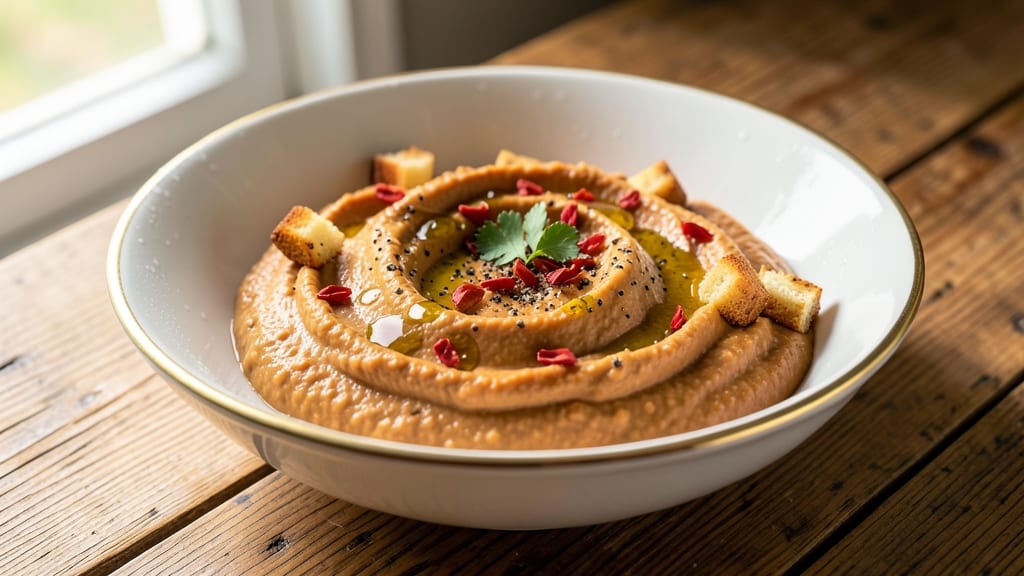
This sweet potato hummus recipe without tahini delivers creamy, velvety texture with a natural sweetness that transforms ordinary hummus into something extraordinary. The secret lies in roasting sweet potatoes until caramelized, which adds nutty depth without relying on tahini or sesame oil.
This version is perfect for those avoiding sesame or seeking a lighter, fruitier base while keeping all the classic hummus appeal.
The process is straightforward yet transformative: roast the sweet potatoes until tender and slightly caramelized, then blend with chickpeas, lemon juice, and garlic for a smooth, spreadable consistency. Unlike traditional hummus, this version stays creamy without tahini, thanks to the natural oils in roasted sweet potatoes.
The result is a hummus that’s rich, slightly sweet, and packed with natural sweetness that pairs beautifully with vegetables, crackers, or even as a sandwich spread.
What makes this recipe stand out is its versatility—use it as a dip for fresh veggies, a spread for toast or wraps, or even as a garnish for soups and salads. The nutty roasted flavor elevates it beyond basic hummus, making it a standout in any meal.
Plus, it stores well in the fridge for up to 5 days, maintaining its creamy texture and vibrant color.
For an extra touch of richness, a drizzle of olive oil or a sprinkle of smoked paprika adds depth, but the base recipe is already foolproof and delicious.
Whether you're serving it at a gathering or meal prepping for the week, this hummus will be the highlight of your table.
Ingredients for sweet potato hummus recipe without tahini
Roasted sweet potatoes and chickpeas create this creamy, nutty hummus without tahini.
| Ingredient | Amount | Notes |
|---|---|---|
| Medium Sweet Potatoes 🍠 | 2 whole | Peeled, cubed (about 3 cups) |
| Chickpeas 🥜 | 1 ½ cups | Cooked, drained, or 1 can (15 oz) |
| Extra-Virgin Olive Oil 🫒 | ½ cup | High quality, fruity |
| Fresh Lemon Juice 🍋 | ¼ cup | Freshly squeezed |
| Garlic Cloves 🧄 | 3 cloves | Peeled, rough chopped |
| Ground Cumin 🌿 | 1 tsp | Toasted for depth |
| Smoked Paprika 🌶️ | ½ tsp | For nutty aroma |
| Sea Salt 🧂 | ½ tsp | Fine grain preferred |
| Water 💧 | ¼ cup | As needed for blending |
| Fresh Cilantro 🌿 | ¼ cup | Optional, chopped |
The sweet potatoes are the star—look for vibrant orange ones at the grocery store, not pale or shriveled. Trader Joe's or Whole Foods carry excellent organic options, but any sweet potato works. Roasting them until caramelized (about 40 minutes at 400°F) unlocks their natural sweetness and creamy texture. The chickpeas should be tender but not mushy—canned works fine, just drain and rinse them well. For extra flavor, toast the chickpeas in the oven with a pinch of salt before blending.
No extra-virgin olive oil? Avocado oil or light olive oil will work, though the flavor won't be as rich. Fresh lemon juice is non-negotiable—bottled juice lacks brightness. Want more depth? Add a pinch of ground coriander or cayenne. The smoked paprika adds that nutty roasted flavor without overpowering. If you're avoiding cilantro, fresh parsley or mint can substitute, though the flavor will shift slightly. For a smoother texture, blend with 2-3 tablespoons of water as needed, but don't overdo it—this hummus should be thick enough to hold its shape.
Store in an airtight container in the fridge for up to 5 days, covered with a thin layer of olive oil to preserve freshness. The flavor actually improves after a day as the sweet potatoes mellow. For meal prep, portion into small containers—1/4 cup servings work perfectly for snacks or sandwich spreads. Freezing isn't recommended, as the texture can get grainy. If you make extra, use it within 3 days for the best consistency.
Why You'll Love This Recipe
- Roasted Sweet Potato Magic: I swear by roasting the sweet potatoes first—it caramelizes the edges into this sweet, buttery depth that regular hummus can’t touch. No fancy equipment, just a sheet pan and 40 minutes while you do other stuff.
- No-Tahini, No Problem: Honestly, I was skeptical about skipping tahini, but the olive oil and lemon juice step in with that creamy richness. The garlic? Oh, it’s the secret weapon—bold but balanced, with that crispy roasted sweet potato bite cutting through.
- Game for Any Day: Between us, this hummus is my go-to for everything: a quick snack with pita, a dip for veggies at a party, or even a spread for sandwiches. The sweetness pairs perfectly with spicy dishes, too—trust me, I’ve tested it.
- Budget Meets Bold Flavor: Sweet potatoes and chickpeas are my pantry staples, and this recipe stretches them into something special without breaking the bank. Plus, the leftovers? They last a week in the fridge, and I’m always reaching for more.
Step-by-step instructions for sweet potato hummus without tahini
Transform simple ingredients into velvety hummus with a nutty, roasted sweetness that rivals traditional recipes.
Roast the Sweet Potatoes Until Caramelized
Preheat your oven to 400°F and line a baking sheet with parchment paper. Toss the 2 whole medium sweet potatoes, peeled and cut into 1-inch cubes, with 1 tablespoon of the extra-virgin olive oil and ½ teaspoon of the sea salt. Spread them in a single layer—they need room to brown.
Roast for 25-30 minutes, stirring halfway, until the edges are deep golden brown and the cubes are tender when pierced with a fork. The sweet potatoes should smell caramelized and slightly nutty. Let them cool completely before blending—the residual heat helps create a smoother texture later.
Toast the Spices and Garlic for Depth
While the sweet potatoes roast, heat a small skillet over medium-low heat. Add the 3 cloves garlic, sliced, and toast for 1-2 minutes until fragrant but not browned. Immediately transfer to a bowl and let cool.
In the same skillet, add the 1 teaspoon ground cumin and ½ teaspoon smoked paprika. Toast for 30 seconds, stirring constantly, until the spices release their aroma. Let them cool completely—they'll lose their potency if blended hot. This step builds the nutty, earthy foundation of the hummus.
Blend the Roasted Sweet Potatoes and Chickpeas
Transfer the cooled roasted sweet potatoes, toasted spices, 1.5 cups chickpeas, 0.25 cup fresh lemon juice, and 0.25 cup water to a high-powered food processor. Pulse once to break up any large chunks, then blend on high for 2-3 minutes, stopping to scrape down the sides as needed.
You're aiming for a completely smooth texture—this is where the high-powered processor earns its keep. If the mixture looks too thick, add 1 tablespoon water at a time until it reaches a spreadable consistency. The hummus should coat the back of a spoon smoothly, with no graininess from the sweet potatoes.
Incorporate the Olive Oil and Finish
With the processor running, slowly drizzle in the remaining 0.5 cup extra-virgin olive oil through the feed tube. This emulsifies the mixture, creating that signature creamy texture. Blend for another 1 minute until fully incorporated and glossy.
Taste and adjust seasoning—you may need an additional pinch of salt or lemon juice to balance the sweetness. Stir in the 0.25 cup fresh cilantro (if using) and the cooled toasted garlic. The hummus should be vibrant, with a perfect balance of sweet, nutty, and tangy flavors.
Rest and Serve for Maximum Creaminess
Transfer the hummus to a serving bowl and refrigerate for at least 30 minutes before serving. This resting period allows the flavors to meld and the texture to thicken slightly—critical for that restaurant-quality consistency.
Serve with warm pita, crisp vegetables, or as a dip for fresh bread. The hummus will keep in an airtight container in the refrigerator for up to 5 days, though I find it's best enjoyed within 2 days when the flavors are at their peak. The roasted sweet potatoes add a natural sweetness that pairs beautifully with the earthy chickpeas, creating a hummus that's uniquely satisfying.
Pro Tips For Making Sweet Potato Hummus Recipe Without Tahini
- ROAST SWEET POTATOES UNTIL SOFT: I learned this the hard way—undercooked sweet potatoes turn your hummus gummy. Roast them at 400°F (200°C) for 35-40 minutes, flipping halfway, until a knife slides in like butter. You want them falling apart, not just "fork-tender."
- PEEL POTATOES WHILE STILL WARM: Skip the cold, stubborn peels. As soon as the sweet potatoes come out of the oven, wrap them in a towel and rub off the skins with your hands—no peeler needed. Warm potatoes peel like a dream, and you’ll save time scrubbing.
- DRAIN CHICKPEAS WELL—REALLY: I used to skimp here, and the hummus ended up watery. After draining canned chickpeas, rinse them under cold water, then spread them on a towel to air-dry for 10 minutes. This keeps your hummus thick and creamy, not soupy.
- GARLIC: TOAST IT FIRST: Raw garlic tastes harsh in hummus. Lightly toast 2-3 minced cloves in olive oil over medium heat until fragrant (about 1-2 minutes)—just until you smell that nutty aroma. This mellows the flavor and adds depth without bitterness.
Common mistakes when making great sweet potato hummus recipe without tahini
Over-Roasting Sweet Potatoes
Roasting sweet potatoes until they're too dark or mushy is a common pitfall. The goal is deep golden brown edges with tender centers—not burnt or dried out.
I've seen people leave them in the oven for 40+ minutes, which turns them into sugar cubes instead of creamy bases. 🍠 Set a timer for 25-30 minutes and check at 20 minutes—they're done when a fork slides in easily but still holds its shape.
Skipping the Cooling Step
Blending hot sweet potatoes straight from the oven creates a gummy, gluey mess. The residual heat from roasted sweet potatoes causes the starches to activate prematurely, making your hummus turn into a thick paste that won't emulsify properly.
Always let them cool completely before blending—this also helps achieve that silky texture we're aiming for. ⏰
Underestimating Blending Time
Using a regular blender instead of a high-powered food processor is a recipe for disaster. The sweet potato's natural oils and fiber need serious power to break down completely. I've tried this with my basic blender, and after 5 minutes of struggling, I still had grainy bits.
Invest in a Ninja or Vitamix—they're worth it for this recipe. Blend until it's completely smooth, even if it takes 3-4 minutes.
Adding Too Much Water
Sweet potatoes release a surprising amount of moisture when roasted, so adding extra water is often unnecessary. I've seen people end up with a thin, soupy hummus that's more like sweet potato soup. Only add 1 tablespoon at a time if absolutely needed, and blend again immediately.
The perfect consistency should be thick enough to hold its shape but still spreadable—like a cross between hummus and whipped cream. 💧
Neglecting the Resting Period
Skipping the 30-minute rest in the fridge is a rookie mistake. This isn't just about convenience—it's about flavor development and texture. The hummus needs time to thicken and for the flavors to meld together.
I've tasted hummus right after blending, and it's always flat and slightly grainy compared to the version that's rested. Trust the process and let it chill before serving. ❄️
Using Bottled Lemon Juice
Fresh lemon juice is non-negotiable for bright, vibrant flavor. Bottled juice lacks the acidity and complexity that fresh juice provides.
I've made this hummus with both, and the difference is night and day—the fresh version has that zesty punch that cuts through the sweetness perfectly. 🍋 If you're using bottled, add an extra ½ teaspoon of citrus zest to compensate, but it won't be the same.
Nutrition facts
Frequently asked questions
Can I use regular potatoes instead of sweet potatoes?
Regular potatoes won't work—they lack the natural sweetness and creamy texture that makes this hummus special. Sweet potatoes add a caramelized depth that balances the earthy chickpeas perfectly. If you're out of sweet potatoes, try butternut squash (roasted) for a similar effect, but the flavor will be slightly different.
How do I make this hummus extra creamy without tahini?
Roast the sweet potatoes until they're completely tender and caramelized—they should be almost falling apart. Then blend with 2-3 tablespoons of extra olive oil while processing, and add 1 tablespoon of water at a time only if needed. The key is patience: blend for 3+ minutes until perfectly smooth. Resting in the fridge for 30 minutes also helps thicken it naturally.
Can I make this ahead of time for meal prep?
This hummus actually tastes better after 24 hours as the flavors meld. Store in an airtight container in the fridge for up to 5 days, covered with a thin layer of olive oil to preserve freshness. Portion into small containers for easy snacking—1/4 cup servings work perfectly with veggies or crackers. Just stir before serving to restore creaminess.
What's the best way to serve this hummus?
This versatile hummus works as a dip for fresh veggies, a spread for toast or wraps, or even a topping for grain bowls. For extra flair, drizzle with olive oil, sprinkle smoked paprika, or add chopped fresh herbs like parsley or mint. The natural sweetness pairs beautifully with spicy dishes, making it great with tacos or roasted veggies too.
Can I freeze this hummus?
Freezing isn't recommended—the texture can become grainy when thawed. However, you can freeze the roasted sweet potatoes and chickpeas separately for up to 3 months, then blend fresh when needed. For best results, enjoy this hummus within 5 days of making it. The flavors are at their peak when fresh!