
Side Dishes
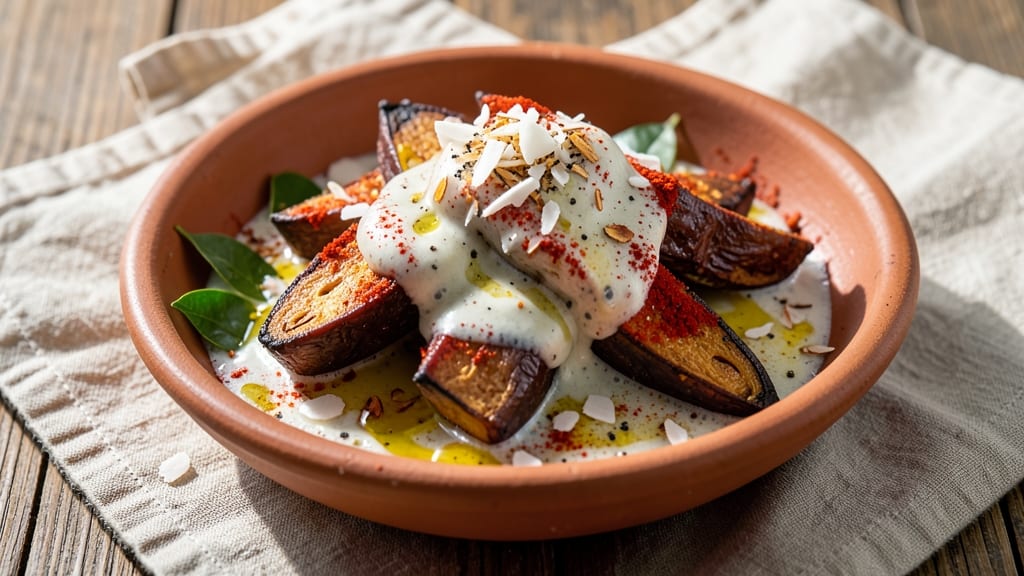
Kerala’s coconut-turmeric roasted sweet potatoes transform humble tubers into a fragrant, golden dish that’s as comforting as it is versatile. 🌟 The secret lies in slow-roasting until caramelized, then finishing with toasted coconut and warm spices that sing with every bite.
This isn’t just a side—it’s the centerpiece of Kerala’s coconut-centric cuisine, where earthy sweet potatoes meet the island’s signature flavors.
The process begins with whole sweet potatoes roasted in their skins until tender and slightly charred, developing deep, nutty sweetness. Then comes the magic: a quick toss with toasted coconut, turmeric, and black pepper that infuses the dish with aromatic warmth.
The result is a dish that’s equally at home alongside steamed rice or as a standalone festival treat.
What makes this recipe special is its balance—sweet potatoes provide natural sweetness, while coconut and spices add complexity. The charred edges contrast with the creamy interior, creating texture that’s impossible to resist. This is the kind of dish that transforms ordinary meals into something memorable.
Perfect for festive occasions or everyday meals, this recipe delivers restaurant-quality results with minimal effort. The technique is simple but effective, ensuring every bite is packed with flavor. Let’s bring the taste of Kerala to your kitchen.
Ingredients for sweet potato kerala
Earthy sweet potatoes meet Kerala’s aromatic spices and toasted coconut in this fragrant, golden roast.
| Ingredient | Amount | Notes |
|---|---|---|
| Sweet Potatoes 🍠 | 2 lb | Medium-sized, skins on |
| Unsweetened Coconut Flakes 🥥 | 1 cup | Toasted for enhanced aroma |
| Ground Turmeric 🌿 | 1 tbsp | Freshly ground preferred |
| Ground Black Pepper 🌶️ | 1 tsp | Freshly cracked for potency |
| Coconut Oil 🫒 | 2 tbsp | For roasting and toasting |
| Fresh Coconut Milk 🥛 | ½ cup | Full-fat for creaminess |
| Ghee 🧈 | 1 tbsp | For finishing and richness |
| Cumin Seeds 🌿 | ½ tsp | Toasted for depth of flavor |
| Cardamom Pods 🌿 | 4 whole | Lightly crushed for aroma |
| Kosher Salt 🧂 | 1 tsp | Diamond Crystal preferred |
| Lemon Juice 🍋 | 1 tbsp | Freshly squeezed for brightness |
| Fresh Cilantro 🌿 | ¼ cup | Chopped, for garnish |
Sweet potatoes are the foundation—look for firm, unblemished tubers with vibrant orange flesh, a sign of natural sweetness. Whole Foods or local farmers' markets often carry the best varieties, though any medium-sized sweet potato works. The key is uniform size for even roasting; trim any uneven spots with a knife. Toasting the coconut flakes separately in a dry pan until golden (about 3-4 minutes) amplifies their nutty flavor—don’t skip this step. For spices, Penzeys or bulk bins at specialty stores ensure freshness, as ground spices lose potency quickly once opened. Cardamom pods should be plump and aromatic, with no dark spots.
No fresh coconut milk? Full-fat canned coconut milk works just as well, though the texture will be slightly thicker. Swap ghee for clarified butter or extra-virgin olive oil if needed, though ghee’s nutty depth is ideal. Toasting the cumin seeds in the same pan as the coconut flakes (20 seconds) layers their earthy warmth into the dish. For a quicker prep, use pre-toasted coconut flakes from the baking aisle, though fresh-toasted always tastes superior. If cardamom pods are unavailable, ground cardamom at half the amount suffices, though the texture will differ slightly. Lemon juice can be substituted with lime juice for a tangier finish, though lemon’s brightness complements the dish better.
Roasted sweet potatoes keep well in the fridge for 5-6 days, though they’re best enjoyed within 3 days for peak texture. Store in an airtight container to maintain moisture, and reheat in a 350°F oven for 10-15 minutes until warmed through. For longer storage, portion into single servings and freeze for up to 3 months. The toasted coconut and spices can be prepped ahead and stored in a sealed jar for 2 weeks, making assembly quicker on busy days. Garnish with fresh cilantro just before serving to preserve its vibrant color and freshness—cilantro wilts quickly, so add it last.
Why You'll Love This Recipe
- One-Pan Magic: I swear by this recipe when I’m too tired to scrub pots—just slice, roast, and sprinkle. The coconut oil caramelizes those sweet potatoes into golden perfection while you’re still chopping the flakes, and cleanup? One spatula, done.
- Golden Comfort Bite: That crispy coconut crust on the outside? Absolute magic. The turmeric and black pepper give it this warm, earthy depth, while the inside stays tender—like a hug in food form. Honestly, the first time I made it, I ate half the batch straight from the pan.
- Lunchbox Hero: Between us, this is my go-to for packed lunches or potlucks. The flavors hold up for days, and it’s hearty enough to pair with yogurt or a simple salad. My kids used to complain about "boring" school lunches—until I started sneaking these in. Now they ask for seconds.
- Budget Bright Spot: Sweet potatoes and coconut flakes stretch my grocery budget without sacrificing flavor. A single bag of sweet potatoes lasts me three batches, and the spices cost pennies. Plus, the leftovers reheat like a dream—no soggy edges, just that same satisfying crunch. My wallet and taste buds both win.
Step-by-step instructions for coconut-turmeric roasted sweet potatoes
Transform humble sweet potatoes into a fragrant Kerala-inspired dish with golden edges and aromatic depth.
🔥 Step 1: Prep and Roast the Sweet Potatoes
Preheat your oven to 425°F and line a large baking sheet with parchment paper. Peel the 2 lb sweet potatoes (or leave skins on for rustic texture) and cut them into 1-inch thick rounds or wedges. Toss them immediately with 1 tbsp coconut oil, 1 tbsp ground turmeric, 1 tsp ground black pepper, and 1 tsp kosher salt until evenly coated.
Spread the sweet potatoes in a single layer on the baking sheet, leaving ½-inch space between each piece. Roast for 25-30 minutes until the edges are deep golden brown and the flesh yields slightly when pierced with a knife. Rotate the pan halfway through for even browning. The potatoes should be tender but not falling apart—this ensures they hold their shape when finished.
🍳 Step 2: Toast the Spice Blend and Coconut Flakes
While the potatoes roast, heat a small skillet over medium-low heat. Add 2 tbsp coconut oil, then toast the 0.5 tsp cumin seeds and 4 whole cardamom pods for 1-2 minutes until fragrant and lightly golden. Remove the pan from heat and immediately stir in the 1 cup unsweetened coconut flakes, coating them in the spiced oil.
Spread the toasted coconut mixture on a separate baking sheet and return to the oven for 5 minutes at 350°F to enhance their aroma. Watch closely—they'll darken quickly. This step develops their nutty depth, which becomes the aromatic backbone of your dish. Let them cool slightly before using.
🥘 Step 3: Create the Coconut-Turmeric Sauce
In a small saucepan, combine the 0.5 cup fresh coconut milk with 1 tbsp ghee and 1 tbsp lemon juice. Warm over low heat for 3-4 minutes, stirring constantly, until the mixture reaches 160°F and begins to thicken slightly. The sauce should be smooth with a velvety texture—if it separates, whisk vigorously to re-emulsify.
Remove from heat and stir in 2 tbsp of the toasted coconut flakes reserved from the baking sheet. This creates a luxurious base that will cling beautifully to the roasted potatoes. Keep warm while you finish the dish.
🍽️ Step 4: Assemble and Garnish
Transfer the roasted sweet potatoes to a serving platter. Drizzle generously with the coconut-turmeric sauce, allowing it to pool in the crevices. Sprinkle evenly with the remaining toasted coconut flakes and 0.25 cup chopped fresh cilantro for a vibrant finish. The contrast between the charred potatoes, creamy sauce, and nutty coconut creates a symphony of textures and flavors.
Serve immediately while the potatoes are still warm and the sauce maintains its silky consistency. The dish pairs beautifully with grilled fish, yogurt-based raitas, or as a standalone vegetarian centerpiece. Each bite delivers the earthy sweetness of the potatoes enhanced by the aromatic turmeric, warm spices, and rich coconut notes—a true taste of Kerala's culinary tradition.
Pro Tips For Making Sweet Potato Kerala
- Peel After Cooking: Sweet potatoes are stubborn—peeling them raw ruins their shape and makes them dry out faster. Boil or steam them whole first, then slip off the skin while still warm. You’ll save time and keep the flesh intact for that perfect Kerala texture.
- Toast Coconut Flakes: Unsweetened coconut flakes taste bland straight from the bag. Dry-toast them in a pan with a pinch of salt and black pepper for 2–3 minutes until golden—this adds depth that no amount of mixing later will fix.
- Don’t Overcrowd the Pan: I learned this after burning the edges off two batches. Use a single layer of sweet potato chunks in the coconut oil, and if you’re short on space, work in batches. Crispy edges are non-negotiable here.
- Spice Early, Spice Often: Toss the sweet potatoes with turmeric and pepper before cooking, not just at the end. The turmeric needs time to mellow into the flesh, and the pepper loses its punch if added last-minute. Trust me, your taste buds will notice.
Serving suggestions for this recipe
Steamed Rice Pairing
This dish shines brightest alongside steamed basmati rice, the staple of Kerala cuisine. The rice’s delicate, floral aroma complements the sweet potatoes’ earthy depth while soaking up every bit of the coconut-turmeric sauce.
For extra authenticity, cook rice with 1 bay leaf and 2 cardamom pods during the final rinse—this infuses subtle warmth that mirrors the dish’s spices. 🌟
Yogurt Raita Balance
Cool down the richness with a mint-cucumber raita—whisk 1 cup plain yogurt with ½ cup grated cucumber, 2 tbsp chopped mint, 1 tsp roasted cumin powder, and a pinch of salt.
The yogurt’s tang cuts through the sweet potatoes’ caramelized edges, while the raita’s coolness refreshes your palate between bites. Serve in small bowls alongside the main dish.
Grilled Fish Harmony
For a complete Kerala-inspired meal, pair with grilled pomfret or seer fish—both staples in coastal Kerala cuisine. The fish’s delicate, flaky texture contrasts beautifully with the sweet potatoes’ hearty bite.
Marinate the fish in 1 tbsp mustard oil, 1 tsp turmeric, and ½ tsp black pepper before grilling. The mustard oil’s sharpness bridges the dish’s coconut richness and the fish’s natural sweetness.
Festival-Style Presentation
Elevate this dish for special occasions by arranging the roasted sweet potatoes on a banana leaf—traditional in Kerala feasts. The leaf’s subtle aroma enhances the coconut and spices while adding an authentic touch.
Garnish with edible gold leaf or extra toasted coconut flakes for a festive glow. Serve family-style in a clay pot for a rustic, communal feel. ✨
Spicy Pickle Contrast
Add a kick with Kerala-style mango pickle—its tangy, fiery notes cut through the sweet potatoes’ creaminess. Store-bought pickles work, but homemade versions (with mustard seeds, fenugreek, and red chili) elevate the dish further.
Offer small bowls of pickle at the table for guests to adjust heat levels to their taste.
Beverage Pairings
Complement the meal with Kerala’s masala chai—brew 1 cup black tea with 1-inch ginger, 2 cardamom pods, 4 cloves, and 1 cinnamon stick for 5 minutes. The warm spices mirror the dish’s flavors while the tea’s tannins cleanse your palate.
For a non-alcoholic option, try coconut water chilled with a splash of lime—its natural sweetness harmonizes perfectly with the roasted potatoes. 🥛
Nutrition facts
Frequently asked questions
Can I substitute regular potatoes for sweet potatoes in this Kerala recipe?
Absolutely not! Sweet potatoes bring the perfect earthy sweetness and creamy texture that's essential to this dish. Regular potatoes lack the natural caramelization and depth of flavor that makes this recipe shine. If you must substitute, try yam for a similar texture, but the flavor will differ significantly. The coconut-turmeric pairing works best with sweet potatoes' inherent sweetness.
How do I know when the sweet potatoes are perfectly roasted?
Look for deep golden brown edges and use a fork to test—it should pierce easily with slight resistance. The flesh should be tender but not falling apart, and the skin should be slightly charred in spots. Over-roasting makes them dry, while under-roasting leaves them hard. Rotate the pan halfway for even browning. The perfect roast balances caramelized edges with creamy centers.
Can I make this dish ahead of time for a party?
Yes! Prepare the roasted sweet potatoes 1 day ahead and store them in an airtight container at room temperature. Reheat in a 350°F oven for 10-15 minutes until warmed through. The coconut-turmeric sauce should be made fresh before serving to maintain its silky texture. For a festive touch, arrange on banana leaves just before serving to preserve the aroma.
Why does my coconut-turmeric sauce separate?
This happens when coconut milk isn't warmed gently enough. Always heat it over low heat and stir constantly to prevent curdling. If it separates, whisk vigorously to re-emulsify. For extra stability, add 1 tsp cornstarch mixed with 1 tbsp water to the warm sauce before removing from heat. The sauce should be velvety, not grainy.
What's the best way to store leftover toasted coconut flakes?
Keep them in an airtight container at room temperature for up to 2 weeks. For longer storage, refrigerate for 1 month or freeze for 3 months. Toast fresh coconut flakes just before using to restore their nutty aroma. The pre-toasted flakes in the recipe can be made ahead and stored this way, saving time during cooking.