
Side Dishes
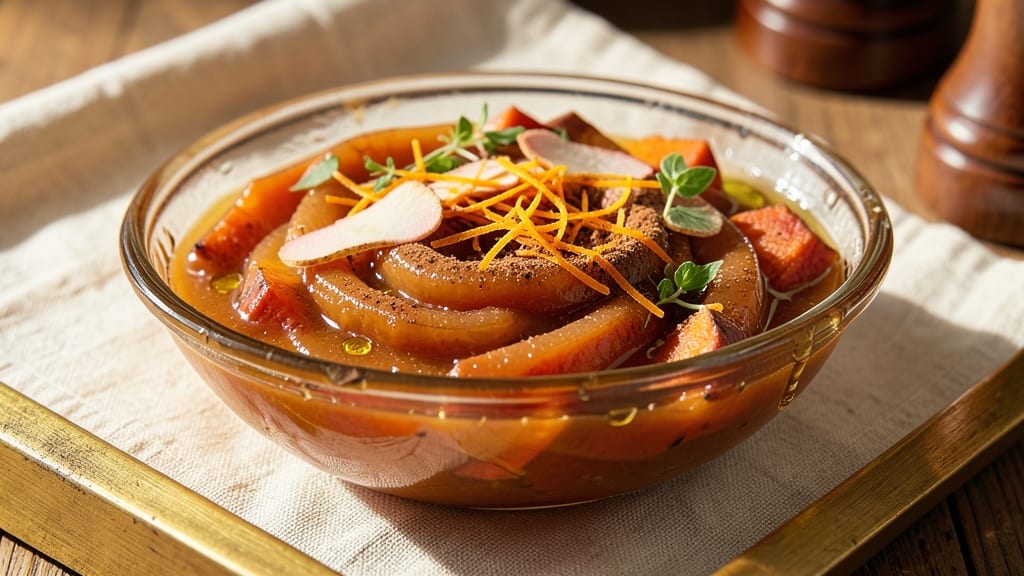
This sweet potato marmalade transforms humble sweet potatoes into a rich, spiced citrus jam with a velvety texture and long shelf life—perfect for elevating toast, meats, or desserts. 🌟 The secret lies in slow-cooking sweet potato purée with citrus zest and juice, creating a balance of natural sweetness and bright acidity that sets it apart from traditional jams.
Unlike standard jams, this recipe relies on natural pectin from the sweet potatoes and citrus to achieve that ideal spreadable consistency without added thickeners. A touch of cinnamon or ginger adds warmth, while the reduction process intensifies flavors, resulting in a jam that's both vibrant and complex.
The process is straightforward but requires patience—about 45 minutes of simmering—to develop that signature marmalade texture.
What makes this marmalade truly versatile is its ability to adapt to any meal. Spread it on toast for breakfast, drizzle it over roasted meats for dinner, or use it as a glaze for baked goods.
The natural sweetness and spiced notes make it a standout condiment that keeps well for up to 3 months in the refrigerator, ensuring you always have a gourmet touch at hand.
The beauty of this recipe is its simplicity—just a few ingredients, one pot, and minimal effort. Whether you're a seasoned cook or a beginner, this sweet potato marmalade delivers restaurant-quality flavor with a homemade touch. Let’s get started on creating your own batch today.
Ingredients for sweet potato marmalade
Transform humble sweet potatoes into a velvety marmalade with these carefully chosen ingredients.
| Ingredient | Amount | Notes |
|---|---|---|
| Orange Zest 🍊 | 2 tbsp | Freshly grated, vibrant color |
| Orange Juice 🍊 | 1 cup | Freshly squeezed, no pulp |
| Sweet Potatoes 🍠 | 2 lbs | Organic, skin-on preferred |
| Extra-Virgin Olive Oil 🫒 | ¼ cup | High-quality, fruity variety |
| Cinnamon 🌿 | 1 ½ tsp | Ground, Ceylon preferred |
| Ginger 🌿 | 1 tsp | Freshly grated, aromatic |
| Maple Syrup 🍯 | ½ cup | Grade A, dark preferred |
| Lemon Juice 🍋 | 1 tbsp | Freshly squeezed, bright acidity |
| Apple Cider Vinegar 🍶 | 1 tbsp | Raw, unfiltered preferred |
| Sea Salt 🧂 | ½ tsp | Fine grain, Diamond Crystal |
The sweet potatoes are the foundation—organic, skin-on varieties like Beauregard develop the best natural sweetness and pectin. Most grocery stores carry them year-round, but specialty markets like Whole Foods or Trader Joe's often have heirloom varieties with deeper flavor. Peel and cube them before cooking to ensure even texture. Citrus quality matters too: use navel or Valencia oranges for their balanced sweetness and acidity. The zest should be bright yellow, not dried out—a good test is to smell it before grating. For the maple syrup, Grade A dark delivers richer caramel notes than lighter grades, though Grade B will work in a pinch if you prefer deeper molasses undertones.
No fresh ginger? Substitute 0.5 tsp ground ginger, though fresh offers superior aroma. Running short on orange juice? Grapefruit juice at half the amount adds tartness, but reduce maple syrup by 1 tbsp to balance sweetness. The apple cider vinegar is non-negotiable for preservation—substitute white vinegar if needed, but expect slightly less complexity. For the cinnamon, Ceylon has a more delicate flavor than cassia, but either works. Pre-grated spices lose potency quickly, so invest in whole spices if you make this often. The olive oil should be extra-virgin with noticeable peppery bite—California or Italian varieties from Olive Oil Shop or Goya work well. If you prefer less oil, reduce by 1 tbsp and add 1 tbsp extra maple syrup.
This marmalade develops best with time—let it sit at room temperature for 24 hours before storing to allow flavors to meld. In the fridge, it keeps for up to 3 months in a sterilized glass jar with a tight seal. For longer storage, freeze in ice cube trays for single-serving portions. The texture will firm up slightly when chilled but remains spreadable. Reheat gently in a small saucepan over low heat if it thickens too much. Portion into small jars for gifting—it makes a stunning homemade present that lasts through the holidays. Avoid metal spoons when serving, as they can react with the acidity over time.
Why You'll Love This Recipe
- No Peel Required: I swear by this trick—just roast the sweet potatoes whole. The skins slip right off after baking, and you skip the messiest part. That orange zest? Grate it fresh while the oven does the work.
- Sweet Heat Magic: The cinnamon and orange juice caramelize into something dangerously good—like a spiced jam meets a savory glaze. Drizzle it over roasted chicken or toasted bread, and you’ll forget about store-bought anything.
- Weeknight to Holiday: Make a big batch on Sunday, and you’ve got breakfast, snacks, or even a fancy appetizer covered. Slather it on croissants for brunch, spoon it over yogurt, or use it as a glaze for holiday hams. It’s my pantry’s secret weapon.
- Budget-Friendly Luxury: Sweet potatoes and oranges are cheap, but this tastes like you spent hours. A single batch stretches into meals for days—leftovers turn into sandwich spreads, pasta drizzles, or even a quick soup boost. Frugal? Yes. Delicious? Absolutely.
Step-by-step instructions for sweet potato marmalade
Transform humble sweet potatoes into a vibrant, long-lasting citrus jam with this precise method.
👨🍳 Step 1: Roast Sweet Potatoes Until Caramelized
Preheat oven to 400°F. Peel and dice the 2 lbs sweet potatoes into ½-inch cubes, then toss them with 2 tablespoons orange zest, 0.25 cup extra-virgin olive oil, and 0.5 teaspoon sea salt until evenly coated. Spread on a rimmed baking sheet in a single layer.
Roast for 45-50 minutes, stirring halfway, until edges turn deep golden brown and the flesh becomes tender when pierced with a fork. The potatoes should smell sweetly caramelized—this is your signal they're ready. Remove from oven and let cool slightly while you prepare the citrus base.
🍳 Step 2: Build the Citrus-Spice Base
In a large saucepan, combine the 1 cup orange juice, 0.5 cup maple syrup, 1 tablespoon lemon juice, 1 tablespoon apple cider vinegar, 1.5 teaspoons cinnamon, and 1 teaspoon freshly grated ginger. Bring to a gentle boil over medium-high heat, then reduce to medium-low and simmer uncovered for 10 minutes.
This step develops the flavor foundation. You'll notice the mixture reduce slightly and the spices release their aromatic oils. The vinegar helps balance sweetness while the ginger and cinnamon add warmth—don't skip this reduction or your marmalade will taste flat.
🥘 Step 3: Combine and Simmer Until Thickened
Add the roasted sweet potatoes to the simmering citrus mixture, stirring gently to combine. Increase heat to medium-high and bring to a full boil. Once boiling, reduce to medium-low and let it simmer uncovered for 30-40 minutes, stirring occasionally, until the mixture thickens significantly.
For the perfect consistency, perform the plate test: spoon a small amount onto a chilled plate. When it wrinkles slightly when pushed with your finger (but doesn't run), it's ready. The marmalade should coat the back of a spoon smoothly with no liquid separation. If it's too thin, simmer uncovered for another 5-10 minutes.
⏰ Step 4: Process for Long Shelf Life
Transfer the hot marmalade to sterilized 8-ounce jars, leaving ½-inch headspace. Seal with sterilized lids and process in a boiling water bath for 15 minutes to ensure shelf stability. Remove jars and let cool completely on a wire rack.
This water bath processing creates an airtight seal that preserves the marmalade for up to 1 year when stored in a cool, dark place. The citrus acidity and vinegar work together with the processing to prevent spoilage while maintaining vibrant color and complex flavors.
Pro Tips For Making Sweet Potato Marmalade
- Peel Sweet Potatoes First: I learned this the hard way—peeling after roasting turns your kitchen into a sticky mess. Use a vegetable peeler to strip the skin off raw sweet potatoes before cubing them, so they don’t splatter caramelized sugar everywhere when you toss them in the oven.
- Use a Microplane for Zest: A box grater leaves bitter pith behind, but a Microplane captures only the bright, fragrant orange zest. Run the peel lengthwise (not sideways) for fine, even strips—this makes a real difference in flavor without the grit.
- Simmer Low and Slow: After blending the roasted sweet potatoes with orange juice and oil, resist the urge to crank the heat. A gentle simmer (30–45 minutes) lets the flavors meld deeply—rushing it leaves the texture grainy and the taste underdeveloped.
- Add Cinnamon Last: Tossing cinnamon in early burns its delicate warmth. Sprinkle it over the finished marmalade just before serving (or storing), so its aroma hits you fresh—like a wake-up call for your taste buds.
Flavor customization for this dish
Spice Level Boost
For a fiery kick, add ½ teaspoon cayenne pepper or 1 teaspoon chili flakes to the citrus-spice base. If you love smoky depth, swap ½ teaspoon cinnamon for ½ teaspoon smoked paprika—it adds a BBQ-like complexity that pairs perfectly with roasted meats.
For a tropical twist, include ½ teaspoon ground allspice alongside the ginger. 🌶️
Citrus Variations
Swap oranges for grapefruit—its bitter-sweet profile adds a sophisticated edge. Use 1 cup grapefruit juice and 1 tbsp grapefruit zest, reducing maple syrup by 1 tbsp to balance tartness.
For a subtler flavor, try lemon marmalade: replace orange juice with 1½ cups lemon juice and add 1 tbsp lemon zest. The result is a tangier, lighter spread ideal for seafood dishes.
Sweetness Adjustments
Reduce maple syrup by 2 tbsp if your sweet potatoes are extra-sweet (like Jewel varieties). For a caramelized depth, replace 2 tbsp maple syrup with 1 tbsp brown sugar—it adds a toasty note.
If you prefer raw sweetness, use agave nectar instead of maple syrup, though it lacks the same molasses undertones.
Texture Tweaks
For a chunkier texture, leave ½-inch sweet potato cubes whole instead of puréeing. If your marmalade thickens too much, stir in 1 tbsp water per 8 oz jar before processing.
For a smoother finish, blend the cooled marmalade with an immersion blender—just pulse lightly to maintain some texture. 💫
Herbal Infusions
Steep 1 tbsp fresh rosemary or thyme in the citrus base for 10 minutes before adding sweet potatoes. Remove herbs before simmering to avoid bitterness. For a floral note, infuse with 1 tbsp edible violets or lavender buds (use sparingly—½ tsp dried is plenty).
These work beautifully with herb-roasted chicken or goat cheese platters.
Nutrition facts
Frequently asked questions
Can I use regular potatoes instead of sweet potatoes?
Regular white or red potatoes won't work—they lack the natural sweetness and pectin needed for proper texture. Sweet potatoes provide the ideal balance of caramelization and thickening ability. If you're out of sweet potatoes, try yams (like Japanese yams), but they'll have a slightly different flavor profile.
How do I know when my marmalade is thick enough?
Use the plate test: spoon a small amount onto a chilled plate. When it wrinkles slightly when pushed with your finger (but doesn't run), it's ready. The marmalade should coat the back of a spoon smoothly with no liquid separation. If it's too thin, simmer uncovered for another 5-10 minutes.
Can I skip the water bath processing for shorter shelf life?
Yes, but your marmalade will only keep for 1 month in the refrigerator. For best results, always process in a boiling water bath for 15 minutes—this creates an airtight seal that preserves the marmalade for up to 1 year when stored in a cool, dark place. The vinegar and citrus acidity help, but processing is essential for long-term storage.
What's the best way to use up extra marmalade?
Spread it on toasted sourdough with ricotta cheese, drizzle over roasted pork tenderloin, or use as a glaze for baked brie. It also makes an excellent BBQ sauce base—simmer with your favorite BBQ spices for a sweet-spicy rub. The citrus notes pair beautifully with grilled chicken or seafood dishes too.
Why did my marmalade turn out too sweet?
This usually happens when using extra-sweet sweet potatoes (like Jewel varieties) or when the citrus wasn't ripe enough. Next time, reduce maple syrup by 2 tbsp or add 1 extra tbsp lemon juice to balance. For a more complex flavor, try adding ½ tsp smoked paprika—it adds depth without extra sweetness.