
Side Dishes
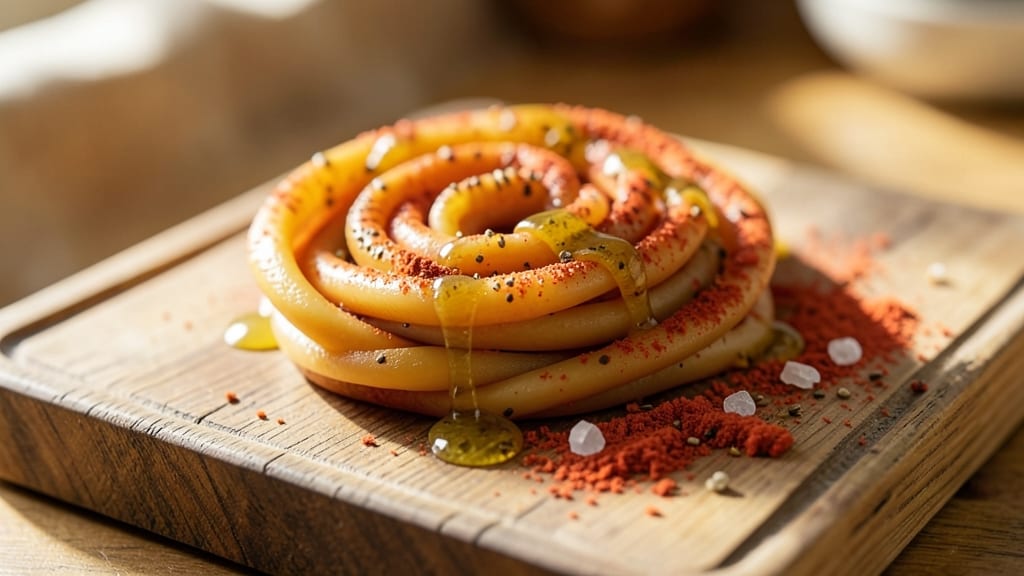
This sweet potato pasta dough recipe transforms humble sweet potatoes into a vibrant, gluten-free alternative that rivals traditional wheat-based pasta. The secret lies in blending roasted sweet potato purée with simple binders like aquafaba or flaxseed, creating a dough that's both sturdy and tender—perfect for boiling, baking, or even frying.
I developed this recipe after struggling to find a gluten-free pasta that held its shape and delivered rich, nutty sweetness in every bite.
The beauty of this dough is its versatility—it works as a standalone dish or pairs beautifully with creamy sauces like cashew alfredo or tangy tomato-based marinara. The natural sweetness of the sweet potato balances well with savory flavors, making it ideal for hearty meals.
With no kneading required, this recipe is also beginner-friendly, ensuring foolproof results every time.
What sets this dough apart is its texture: slightly chewy on the outside, soft and silky inside, with a subtle caramelized depth from the roasted sweet potatoes. The gluten-free adaptation doesn't compromise on flavor or structure, proving that plant-based, allergy-friendly pasta can be just as satisfying as its traditional counterpart.
Whether you're serving it as a side or a main dish, this sweet potato pasta dough delivers restaurant-quality results with minimal effort. Let's get started on creating your own batch—it's easier than you think!
Ingredients for sweet potato pasta dough
Sweet potatoes, aquafaba, and flaxseed create this gluten-free dough that rivals traditional pasta.
| Ingredient | Amount | Notes |
|---|---|---|
| Medium Sweet Potatoes 🍠 | 2 lbs | Organic preferred, peeled and cubed |
| Aquafaba 🥫 | ½ cup | From chickpea brine, unsweetened |
| Ground Flaxseed 🌾 | 2 tbsp | Freshly ground for best binding |
| Extra-Virgin Olive Oil 🫒 | 2 tbsp | Cold-pressed for richness |
| Tapioca Flour 🌾 | ¼ cup | For elasticity and structure |
| Sea Salt 🧂 | ½ tsp | Fine grain preferred |
| Black Pepper 🌶️ | ¼ tsp | Freshly ground for flavor |
| Nutritional Yeast 🧀 | 2 tbsp | For cheesy, umami depth |
| Filtered Water 💧 | ½ cup | Room temperature preferred |
| Garlic Powder 🧄 | 1 tsp | For savory balance |
| Dried Basil 🌿 | 1 tsp | Or 1 tbsp fresh chopped |
The sweet potatoes are the star—organic is best since non-organic can be waxy. Look for vibrant orange flesh, not pale or dry spots. Roast them until caramelized (about 450°F for 30-40 minutes) for that deep, nutty flavor. Trader Joe's and Whole Foods carry excellent organic sweet potatoes. If you can't find organic, just peel them thoroughly. The aquafaba should be fresh from chickpea brine—avoid canned chickpeas with salted water, as the sodium can alter the dough's texture. For flaxseed, Bob's Red Mill ground flaxseed is my go-to, but any fresh grind works.
No aquafaba? Replace with 2 tbsp chickpea flour mixed with 2 tbsp water—it mimics the binding properties. Running short on tapioca flour? Arrowroot powder works 1:1, though the dough might be slightly less elastic. The nutritional yeast is non-negotiable for that cheesy depth—Bragg's is a solid brand. Fresh basil? Use it! But dried works in a pinch (just halve the amount). For extra richness, add 1 tbsp vegan butter to the dough, though it's not traditional. The dough should be pliable but not sticky—adjust with a splash more water if needed.
This dough keeps beautifully in the fridge for 5 days, wrapped tightly in plastic. For longer storage, freeze portions for up to 3 months—wrap each piece in parchment before freezing. To use frozen dough, thaw at room temperature for 30 minutes before shaping. The dough reheats well—boil like fresh pasta, then toss with olive oil and garlic for a quick meal. Leftovers? Toss with marinara and vegan ricotta for a fuss-free dinner.
Why You'll Love This Recipe
- No Blender Needed: I swear by this—just boil, mash, and mix. The sweet potatoes steam themselves soft enough to break down with a fork, and the aquafaba binds it all like magic. No fancy gadgets, no stress.
- Sweet Earthy Richness: That caramelized sweet potato flavor? It’s like a hug in dough form. The flaxseed adds a nutty depth while keeping it light, and the olive oil gives it this melt-in-your-mouth richness that’s dangerously satisfying.
- Meal Prep MVP: Make a big batch on Sunday, store it in the fridge, and pull out portions for quick weeknight dinners. It reheats like a dream—no drying out, no gummy mess. (Yes, even on a Tuesday night.)
- Pantry Staple Hack: Honestly, this recipe costs next to nothing. Sweet potatoes stay fresh forever, aquafaba is free if you buy chickpeas, and flaxseed is a cheap protein boost. It’s my go-to when I’m broke but still want to feel fancy.
Step-by-step instructions for sweet potato pasta dough
Here's how to transform humble sweet potatoes into a chewy, gluten-free pasta dough that rivals traditional wheat pasta.
Cook the Sweet Potatoes Until Fork-Tender
Preheat your oven to 400°F. Toss the 2 lbs medium sweet potatoes (peeled and cubed) with 2 tbsp extra-virgin olive oil and spread them on a rimmed baking sheet in a single layer. Roast for 25-30 minutes until they're soft enough to pierce easily with a fork but still hold their shape. You want them caramelized on the edges—this adds natural sweetness to the dough.
Let them cool completely before processing. I like to spread them out on a wire rack for 10 minutes to prevent condensation from making the dough gummy later. The cooler the potatoes, the easier they'll be to blend into a smooth puree.
Create the Binding Mixture
In a small bowl, whisk together the 0.5 cup aquafaba, 2 tbsp ground flaxseed, and 0.5 cup filtered water. Let this mixture sit for 5 minutes to thicken—it should become gelatinous, similar to flax eggs. This is your gluten-free binding agent that will hold the dough together.
Meanwhile, add the 2 tbsp nutritional yeast, 1 tsp garlic powder, 1 tsp dried basil, 0.5 tsp sea salt, and 0.25 tsp black pepper to a food processor. Pulse briefly to combine these seasonings—they'll infuse the entire dough with umami depth and aromatic warmth.
Blend the Dough to Perfect Consistency
Add the cooled sweet potatoes to the food processor along with the seasoning blend. Process until completely smooth, scraping down the sides as needed. With the processor running, slowly drizzle in the thickened aquafaba-flax mixture through the feed tube. This gradual addition prevents the dough from becoming too wet.
Once combined, add the 0.25 cup tapioca flour and pulse just until incorporated. The dough should be thick but pliable—like wet playdough that holds its shape when pressed. If it's too sticky, add 1 tbsp tapioca flour at a time until it comes together. If it's too dry, add 1 tsp water to help bind it.
Rest and Roll the Dough
Turn the dough out onto a lightly floured surface (use more tapioca flour if needed) and divide it into 4 equal portions. Flatten each portion into a rough rectangle about 1/4-inch thick. Wrap each piece tightly in plastic wrap and refrigerate for at least 30 minutes—this resting period relaxes the starches and makes rolling much easier.
After resting, roll each portion through a pasta machine set to the widest setting, then gradually reduce the thickness with each pass until you reach your desired width. For fettuccine, aim for about 1/8-inch thick. If the dough tears, simply patch it together—it'll still cook beautifully. Uncooked dough can be refrigerated for up to 24 hours or frozen for 1 month.
Cook to Al Dente Perfection
Bring a large pot of salted water to a rolling boil. Add the pasta in batches (don't overcrowd) and cook for 2-3 minutes until it floats to the surface and is tender but still slightly firm to the bite. The sweet potato flavor will be subtle but present—like a cross between regular pasta and sweet potato fries.
Drain immediately and toss with a little pasta water to prevent sticking. Serve with your favorite gluten-free sauces or a simple garlic olive oil drizzle. The texture should be chewy with a slight springiness, not mushy. For extra flavor, reserve some starchy pasta water to thin sauces as needed.
Pro Tips For Making Sweet Potato Pasta Dough
- STEAM THE POTATOES FIRST: I learned this the hard way—boiling whole sweet potatoes for dough makes them waterlogged and gummy. Instead, pierce them, microwave for 8-10 minutes (until fork-tender), then steam for 5 minutes. This keeps the texture dry and crumbly, which is everything when blending into dough.
- WHISK AQUAFABA VIGOROUSLY: Skip the food processor for this—whisk your aquafaba until it forms stiff peaks, like meringue. After burning three batches with under-whipped aquafaba, I realized this is the non-negotiable step that binds the dough properly. (Yes, even if you're impatient like me.)
- MEASURE FLAXSEED PRECISELY: Ground flaxseed absorbs moisture differently every time. Weigh it (1 tablespoon = ~12g) instead of scooping, then mix with 3 tablespoons water and let sit for 10 minutes before adding. This guarantees the right gel consistency—no sticky lumps, no dry crumbles.
- REST THE DOUGH 30 MINUTES: Sounds weird, but it works: after mixing, cover the dough and let it sit. The tapioca flour and olive oil need time to fully incorporate, and this prevents a gummy texture when rolling. I skip this when I'm lazy, but the dough is noticeably easier to handle afterward.
Best sauces and condiments for this dish
Creamy Cashew Alfredo
This rich, velvety sauce is a game-changer for your sweet potato pasta.
Blend 1 cup raw cashews (soaked in hot water for 15 minutes) with 1 cup unsweetened almond milk, 2 tbsp nutritional yeast, 1 tbsp lemon juice, 1 clove roasted garlic, and ½ tsp sea salt until completely smooth.
The cashews add natural creaminess while balancing the sweetness of the pasta. Toss with sautéed mushrooms or spinach for a hearty meal. 💛
Smoky Tomato Marinara
For a tangy contrast, simmer 1 can (28 oz) crushed tomatoes with 1 tbsp tomato paste, 1 tsp smoked paprika, 1 tsp dried oregano, 2 minced garlic cloves, and ½ tsp red pepper flakes for 20 minutes.
Add 1 tbsp maple syrup to complement the sweet potato flavor. Finish with fresh basil and a pinch of salt. This sauce adds depth without overpowering the pasta's natural sweetness.
Garlic Olive Oil
Keep it simple with this quick sauce: Heat 2 tbsp extra-virgin olive oil in a pan over medium-low heat, then add 3 minced garlic cloves and 1 tsp red pepper flakes. Cook for 1-2 minutes until fragrant but not browned.
Toss with the cooked pasta and a splash of pasta water to emulsify. Add a sprinkle of sea salt and black pepper to taste. This sauce enhances the pasta's caramelized notes perfectly.
Lemon Basil Pesto
Blend 2 cups fresh basil leaves, ½ cup walnuts, ¼ cup extra-virgin olive oil, 2 tbsp lemon juice, 1 clove garlic, and ½ tsp sea salt until smooth. The bright acidity cuts through the sweetness, while the walnuts add crunch.
Drizzle over pasta with a sprinkle of hemp seeds for extra protein. This sauce is light yet flavorful, ideal for summer meals.
Spicy Peanut Sauce
For an Asian-inspired twist, mix ½ cup creamy peanut butter, 2 tbsp soy sauce, 1 tbsp rice vinegar, 1 tbsp maple syrup, 1 tsp sriracha, and 1 tsp grated ginger.
Thin with 2-3 tbsp water until pourable. The peanut sauce adds a nutty, slightly spicy contrast that pairs beautifully with the sweet potato's natural sweetness. Garnish with sliced green onions and sesame seeds. ✨
White Wine Reduction
Sauté 2 tbsp shallots in 1 tbsp olive oil until soft, then deglaze with ½ cup dry white wine and reduce by half. Add 1 cup vegetable broth and simmer until thickened.
Finish with 1 tbsp butter (or vegan butter) and a pinch of black pepper. This elegant sauce elevates the pasta for special occasions, with its bright acidity and savory depth.
Nutrition facts
Frequently asked questions
Can I make this dough without a food processor?
Yes! You can blend the sweet potato purée by hand using a potato ricer or fork-mashing, then mix all ingredients thoroughly in a large bowl. The texture will be slightly less smooth but still delicious. For the binding mixture, whisk the aquafaba and flaxseed vigorously to mimic the food processor's emulsification. Just be prepared for slightly more elbow grease!
Why does my dough feel too sticky or dry?
Sticky dough needs 1 tbsp tapioca flour at a time until it comes together when pressed. Dry dough requires 1 tsp water to help bind it. The key is consistency—it should hold its shape when pinched but remain pliable. If using different flours, adjust ratios: rice flour makes it drier, while almond flour adds stickiness.
Can I add other vegetables to this dough?
Try blending in 1 cup cooked zucchini or ½ cup roasted butternut squash purée to enhance nutrition and flavor. For color, add 1 tbsp beet powder or 1 tsp turmeric. Just reduce the sweet potato slightly to maintain the right texture. The dough can handle up to 20% vegetable purée without compromising structure.
How do I prevent the pasta from sticking together after cooking?
Always toss freshly cooked pasta with 1 tbsp olive oil and a pinch of salt immediately after draining. For extra insurance, add 1 tbsp cornstarch to the cooking water. Avoid overcrowding the pot—cook in batches if needed. The sweet potato starch makes this pasta more prone to sticking, so don't skip this step!
Can I bake this pasta instead of boiling?
Yes! Shape the dough into desired forms (like lasagna sheets or noodles) and bake at 375°F for 12-15 minutes until golden. For extra crispiness, brush with olive oil before baking. Baked pasta works well for casseroles or as a crispy appetizer. The baking time may vary slightly based on thickness—always check for doneness.