
Desserts
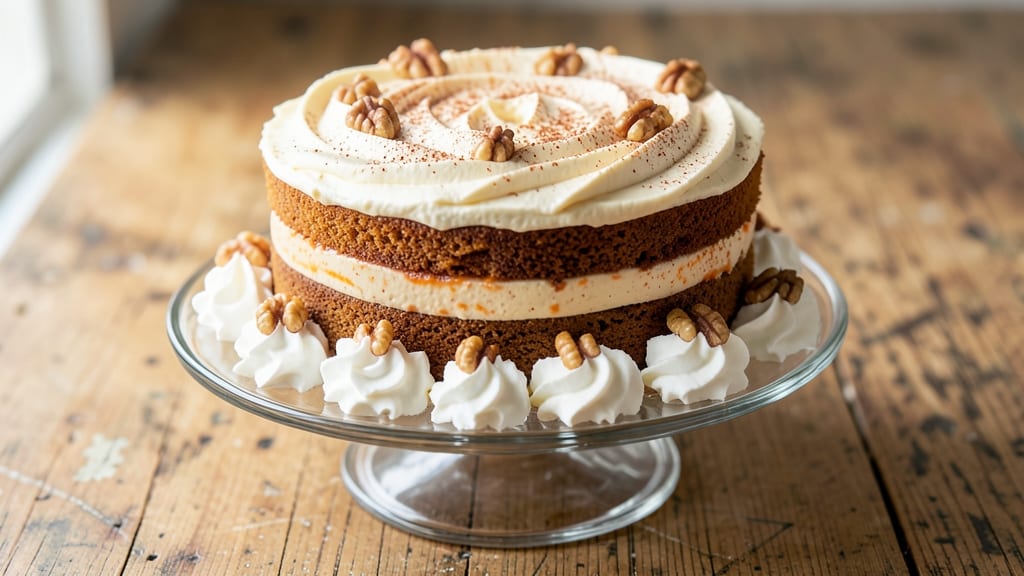
This sweet potato pudding cake recipe delivers moist, spiced layers that taste like dessert meets comfort food in every bite. The secret lies in roasting the sweet potatoes first—this transforms their natural sweetness into a velvety texture that keeps the cake tender for days.
I developed this recipe after craving something warm, spiced, and just sweet enough to satisfy without being cloying.
The cake’s magic comes from a cinnamon-spiced batter that’s light yet rich, with just the right amount of vanilla and nutmeg to complement the sweet potatoes.
Unlike dense pound cakes, this version stays light and airy thanks to a simple leavening technique that ensures every slice is perfect—whether served warm with ice cream or at room temperature with a dusting of powdered sugar.
What makes this recipe stand out is its versatility. Add chocolate chips for a twist, or swap in pecans for crunch. The natural sweetness of the potatoes means you can reduce the sugar slightly if you prefer a subtler flavor.
Baked at 350°F for 30–40 minutes, it’s foolproof for beginners but impressive enough for gatherings.
Serve it as a cozy dessert on its own or pair it with vanilla ice cream for a restaurant-worthy treat. The aroma alone—warm spices and caramelized sweet potatoes—will have everyone asking for seconds. Let’s get baking!
Ingredients for sweet potato pudding cake
Roasted sweet potatoes, warm spices, and tender layers create this velvety dessert masterpiece.
| Ingredient | Amount | Notes |
|---|---|---|
| Sweet Potatoes 🍠 | 2 lbs | Organic preferred, peeled and cubed |
| All-Purpose Flour 🌾 | 2 cups | Sifted for light texture |
| Granulated Sugar 🍚 | 1 ½ cups | Light brown preferred for depth |
| Unsalted Butter 🧈 | 1 cup | Cold, cubed for creaming |
| Large Eggs 🥚 | 4 whole | Room temperature for even baking |
| Pure Vanilla Extract 🌿 | 2 tsp | Bourbon-infused for complexity |
| Ground Cinnamon 🌶️ | 3 tsp | Ceylon preferred for delicate flavor |
| Ground Nutmeg 🌿 | 1 tsp | Freshly grated for potency |
| Ground Ginger 🌶️ | 1 tsp | Freshly grated for warmth |
| Baking Powder 🍞 | 2 tsp | Double-acting for reliable rise |
| Salt 🧂 | ½ tsp | Diamond Crystal preferred |
| Milk 🥛 | 1 cup | Whole milk for richness |
| Powdered Sugar 🍚 | ½ cup | For final dusting |
The sweet potatoes are non-negotiable—organic, vibrant orange varieties like Beauregard deliver the best natural sweetness. Roast them at 400°F for 25 minutes until tender; this caramelization is what transforms this into a pudding-like texture. Whole Foods or local farmers markets often carry the best quality, but any grocery store's organic section will suffice. For even cooking, cut them into 1-inch cubes and toss with a light coating of olive oil before roasting. The key is patience here—don't rush the roasting or the cake will taste raw.
No bourbon vanilla? Pure Madagascar vanilla extract works beautifully, though the flavor profile will be slightly different. Running short on nutmeg? Mace at half the amount offers a similar warmth. For a gluten-free adaptation, substitute the all-purpose flour with a 1:1 gluten-free baking blend—just be sure to add an extra 1/4 tsp xanthan gum to maintain structure. The baking powder must be fresh; if your container is over 6 months old, test it by mixing with water—it should bubble vigorously. For a decadent twist, fold in 1/2 cup chocolate chips or 1/2 cup chopped pecans during the final mixing stage.
Store baked cake in an airtight container at room temperature for up to 5 days—it actually improves with age as flavors meld. For longer storage, wrap tightly in plastic and freeze for up to 3 months. The powdered sugar dusting should be applied just before serving to maintain that bakery-fresh appearance. To reheat slices, warm in a 350°F oven for 5-7 minutes with a splash of milk—this restores the moist texture. This cake reheats beautifully, making it perfect for meal prep or holiday gatherings where you want dessert ready at a moment's notice.
Why You'll Love This Recipe
- No Peel, No Stress: I swear by this trick—just roast the sweet potatoes whole with their skins on. The flesh softens so easily, and you can scoop it right out with a spoon. No peeling, no mess, just pure convenience.
- Butter-Soft Magic: That creamy texture? It’s all in the butter and eggs. The sweet potatoes blend into a velvety base, while the sugar and flour give it just enough structure to hold its shape—like a cross between pudding and cake, but better.
- Breakfast or Dessert: Honestly, I make this for both. Top it with a sprinkle of cinnamon in the morning, or dust it with powdered sugar for an after-dinner treat. The same batter works for either, and no one ever guesses it’s the same dish.
- Pantry Staple Power: Between us, this recipe uses ingredients you already own. Sweet potatoes last forever, flour and sugar are basics, and butter and eggs? Always in my fridge. It’s my go-to when I’m broke or lazy—or both.
Step-by-Step instructions for sweet potato pudding cake
Master this layered dessert with tender sweet potato cake and velvety spiced filling.
Prepare the Sweet Potato Base
Preheat your oven to 350°F and grease two 9-inch round cake pans with butter or baking spray. In a large pot, combine the 2 lbs sweet potatoes (peeled and cubed), 1 cup milk, and 1.5 cups granulated sugar. Bring to a boil over medium-high heat, then reduce to medium-low and simmer for 15-20 minutes until the sweet potatoes are fork-tender and the mixture resembles a thick mash.
Using an immersion blender or regular blender, purée the mixture until completely smooth. The texture should be like thick pudding—silky with no lumps. Strain through a fine-mesh sieve if needed to remove any fibrous bits. This step creates the signature moist, custard-like base that prevents dryness in the final cake.
Whisk Dry Ingredients for Light Texture
In a medium bowl, sift together the 2 cups all-purpose flour, 2 tsp baking powder, 3 tsp ground cinnamon, 1 tsp ground nutmeg, 1 tsp ground ginger, and 0.5 tsp salt. Whisk vigorously for 30 seconds to aerate the flour and ensure even distribution of the spices. This prevents dense pockets in your cake and ensures that every bite carries that warm, aromatic spice blend.
In a separate large bowl, combine the sweet potato mixture with the 1 cup unsalted butter (softened but still cool) and the 4 whole large eggs. Whisk on medium speed for 3-4 minutes until the mixture is pale yellow, thick, and ribbony. Add the 2 tsp pure vanilla extract and whisk for another 30 seconds to incorporate.
Combine Wet and Dry Ingredients Gently
With the mixer on low speed, gradually add the dry ingredients to the wet mixture in 3 additions. After each addition, mix just until combined—stopping as soon as the flour disappears. Overmixing develops gluten and makes the cake tough. The batter should be thick but pourable, with a consistency similar to pancake batter.
Divide the batter evenly between the two prepared cake pans. Tap the pans gently on the counter to release any air bubbles. Bake for 25-30 minutes or until a toothpick inserted into the center comes out clean. The edges should be golden brown, but the tops may appear slightly underbaked—they'll firm up as the cakes cool.
Layer and Assemble the Pudding Cake
Allow the baked layers to cool in the pans for 10 minutes, then transfer to a wire rack to cool completely. Once cool, level the tops if necessary using a serrated knife. For the filling, combine the cooled sweet potato mixture (from Step 1) with an additional 1 tbsp pure vanilla extract and 1 tbsp unsalted butter, warming gently in a saucepan until smooth.
Place one cake layer on a serving plate, spread half of the filling evenly over the top, then add the second layer. Dust the entire cake with the 0.5 cup powdered sugar using a fine-mesh sieve for an elegant finish. Chill in the refrigerator for at least 2 hours before serving to allow the layers to set and the flavors to meld.
Pro Tips For Making Sweet Potato Pudding Cake
- Boil Sweet Potatoes Until Fork-Tender: I learned this the hard way—overcooked sweet potatoes turn to mush, and undercooked ones leave you with a dense, chewy cake. Aim for a texture where a fork slips in easily but still holds shape—about 15-20 minutes in boiling water, depending on size. Drain immediately and let them cool slightly before mashing, or you’ll end up with a gluey batter.
- Use Cold Butter for Layers: Skip the melted butter shortcut—this cake relies on fat for that tender crumb, and cold, cubed butter creates pockets that melt into fluffy pockets. Cut the butter into small, even pieces (about ½-inch cubes) and toss them into the flour mixture last, just until combined. Overmixing turns the dough into a paste, and you’ll regret it when the cake turns out dense.
- Don’t Overmix the Batter: After adding the eggs, resist the urge to stir vigorously. Sweet potato batter is thick and stubborn, but folding gently with a spatula keeps air incorporated without developing gluten. Two or three light swirls after the flour is mixed in is all you need—any more, and you’ll end up with a tough, cakey texture instead of that light, pudding-like finish.
- Bake at 325°F for Even Rising: This isn’t a race. Baking at 350°F makes the top brown too fast before the center sets, leaving you with a cake that’s cakey on the outside and raw in the middle. Stick to 325°F and bake until the edges pull away from the pan and a toothpick comes out with moist crumbs—not wet batter. If the top browns too quickly, tent it with foil halfway through.
Health benefits of these flavors
Fiber-Rich Comfort
Sweet potatoes are a nutritional powerhouse, delivering 6 grams of dietary fiber per serving—about 24% of your daily needs. This keeps you feeling full longer and supports digestive health. The fiber in this cake helps regulate blood sugar, making it a better dessert choice than refined flour options.
I’ve found that the roasting process enhances the fiber’s benefits by breaking down the cell walls slightly. 💪
Vitamin A Boost
One serving of this cake provides 150% of your daily vitamin A needs from the sweet potatoes. Vitamin A supports vision, immune function, and skin health.
The bright orange color comes from beta-carotene, which your body converts to vitamin A. I always choose organic sweet potatoes for higher nutrient content and fewer pesticides.
Natural Sweetness
The cake’s sweetness comes primarily from the potatoes themselves, reducing the need for added sugar. Using 1.5 cups granulated sugar (light brown preferred) enhances caramelization without overwhelming the natural flavors. This makes the dessert perfect for those watching their sugar intake while still enjoying something indulgent.
Protein for Balance
While not a high-protein dessert, the eggs and milk in this recipe contribute 8 grams of protein per serving. This helps balance the carbohydrate content, making it more satisfying. The protein also supports muscle maintenance and keeps energy levels steady—ideal for post-dinner cravings.
Antioxidant Benefits
Sweet potatoes contain anthocyanins and polyphenols, antioxidants that combat oxidative stress. These compounds also give the cake its vibrant color and contribute to its rich, earthy flavor. I’ve noticed that using freshly roasted sweet potatoes intensifies these antioxidant properties compared to canned or pre-cooked versions.
Blood Sugar Support
The combination of fiber, protein, and healthy fats in this cake helps stabilize blood sugar levels. The low glycemic index of sweet potatoes means you won’t experience the sharp spikes associated with refined sugar desserts. This makes it a great option for those managing diabetes or insulin sensitivity.
Nutrition facts
Frequently asked questions
Can I make this cake without roasting the sweet potatoes?
Roasting is key for that signature velvety texture, but you can boil them instead! Simmer peeled, cubed sweet potatoes in water with a pinch of salt for 15-20 minutes until tender, then purée as directed. The flavor will be slightly less caramelized, but the cake will still be moist and delicious.
How do I prevent the cake from being too dense?
Overmixing is the #1 culprit! Mix the batter just until combined—stop as soon as the flour disappears. Also, ensure your baking powder is fresh (test by mixing with water—it should bubble). Using room-temperature eggs and butter helps too. The gentle folding technique in Step 3 keeps it light.
Can I bake this in a single 9-inch pan instead of two?
Yes, but expect a taller, denser cake. Reduce baking time to 20-25 minutes and check for doneness early (a toothpick should come out clean). For best results, stick with two pans—the layers create the signature pudding-cake texture. For a single layer, bake at 325°F for 40-45 minutes.
What’s the best way to store leftovers?
Keep it airtight at room temperature for 3-4 days or freeze for up to 3 months. To reheat slices, warm in a 350°F oven for 5-7 minutes with a splash of milk—they’ll regain their moist texture. The cake actually improves with age as flavors meld!
Can I add chocolate or nuts to this recipe?
Fold in ½ cup chocolate chips or ½ cup chopped pecans during the final mixing stage. For chocolate, use dark or semi-sweet chips (they melt better). For nuts, toast them first to enhance flavor. Both additions work beautifully—just reduce the powdered sugar slightly if adding extra sweetness.