
Side Dishes
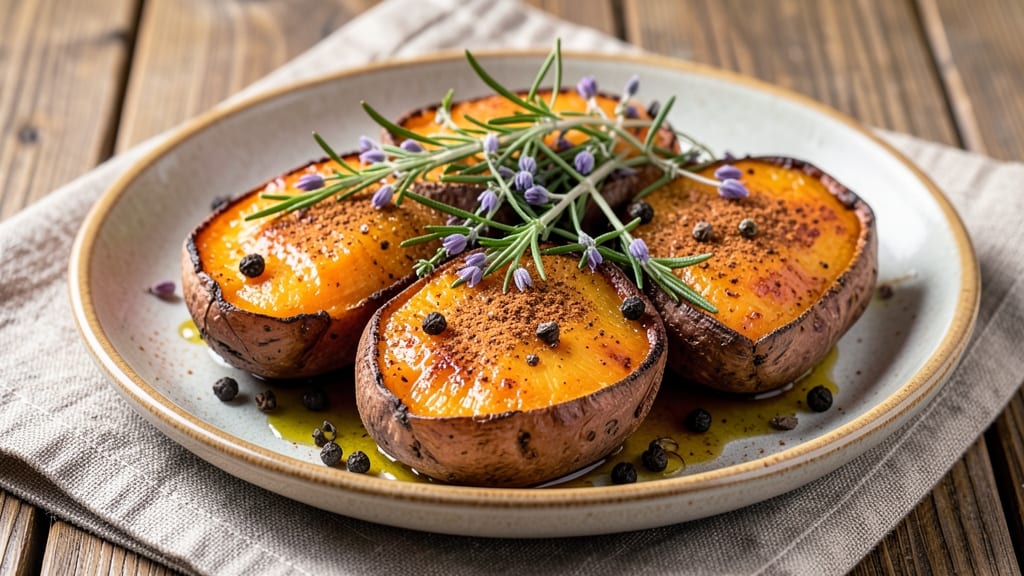
This sweet potato recipe for high blood pressure transforms a simple vegetable into a heart-healthy powerhouse, packed with potassium to help regulate blood pressure naturally. 💛 The secret lies in roasting until caramelized edges form, unlocking deeper flavors while preserving nutrients that support cardiovascular health—no added salt required.
What sets this recipe apart is the balance of texture and nutrition: crispy charred edges contrast with tender, moist sweet potato flesh, all while delivering fiber, vitamin A, and potassium in every bite.
The method minimizes cooking time to retain maximum nutrients, making it ideal for those managing hypertension without sacrificing flavor.
By the time you finish roasting, you'll have a vibrant side dish that's rich in natural sweetness and heart-healthy benefits.
The charred edges add depth, while the tender interior stays moist—perfect for complementing lean proteins or as a standalone meal when paired with a sprinkle of black pepper and fresh herbs.
This recipe serves as both a delicious side and a nutritional ally, proving that heart-healthy eating can be flavorful and satisfying. Ready to transform your meals with this blood-pressure-friendly dish? Let's get started.
Ingredients for sweet potato recipe for high blood pressure
Potassium-packed sweet potatoes meet aromatic herbs and minimal salt for a heart-healthy roast with caramelized edges.
| Ingredient | Amount | Notes |
|---|---|---|
| Sweet Potatoes 🍠 | 2 lbs | Medium size, unpeeled for nutrients |
| Extra-Virgin Olive Oil 🫒 | 2 tbsp | High-quality, fruity variety preferred |
| Ground Black Pepper 🌶️ | 1 tsp | Freshly cracked for optimal flavor |
| Fresh Rosemary 🌿 | ½ tsp | Finely chopped, stems removed |
| Fresh Thyme 🌿 | ½ tsp | Leaves only, finely chopped |
| Ground Cinnamon 🌶️ | ¼ tsp | Pure cinnamon, no additives |
| Fresh Garlic Cloves 🧄 | 2 cloves | Minced for even distribution |
| Himalayan Pink Salt 🧂 | ¼ tsp | Minimal salt for flavor without excess |
| Raw Honey 🍯 | 1 tbsp | For caramelization, optional for sweetness |
| Avocado Oil 🫒 | 1 tbsp | High smoke point for roasting |
| Lemon Zest 🍋 | 1 tsp | Freshly grated for brightness |
The sweet potatoes are the star here—organic varieties from Whole Foods or local farmers' markets deliver the highest potassium content. Medium-sized potatoes (about 6-8 oz each) roast evenly, ensuring tender flesh with crispy charred edges. Fresh herbs like rosemary and thyme add depth without overpowering the natural sweetness; Trader Joe's sells pre-bundled herb mixes if you prefer convenience. For the spices, Penzeys offers pure cinnamon and high-quality pepper, but any reputable grocery store's bulk section will suffice. The key is to avoid pre-ground spices, which lose potency quickly.
No fresh rosemary? Dried rosemary at one-third the amount works in a pinch, though fresh is ideal for that vibrant flavor. Substitute thyme with dried oregano or marjoram if needed, but reduce to half the quantity to avoid bitterness. For those avoiding honey, maple syrup or agave nectar can replace it, though honey enhances caramelization. The olive oil and avocado oil can be swapped for coconut oil, but it has a stronger flavor profile. If you prefer less sweetness, omit the honey entirely—it’s optional but enhances the natural caramelization during roasting.
Store roasted sweet potatoes in an airtight container in the refrigerator for up to 5 days, though they’re best enjoyed within 2-3 days for peak texture. For longer storage, freeze portions in a single layer before transferring to a bag, which keeps them fresh for up to 3 months. Reheat gently in the oven or microwave to preserve their moisture. These roasted sweet potatoes pair beautifully with lean proteins like grilled chicken or fish, making them a versatile addition to heart-healthy meals.
Why You'll Love This Recipe
- One-Pan Magic: I swear by this for nights when I’m too tired to scrub pots—just toss the sweet potatoes in olive oil, sprinkle the rosemary and thyme, and let the oven do the work. The peppery heat from the black pepper cuts through the natural sweetness like a perfect contrast.
- Herb-Packed Depth: Between us, the rosemary and thyme here aren’t just garnish—they infuse the sweet potatoes with this earthy, slightly piney brightness that makes them taste like a restaurant dish. Honestly, I’ve tried other sweet potato recipes, but this combo? It’s the real deal.
- Meal Prep MVP: I make a big batch on Sundays because these roasted sweet potatoes keep for days in the fridge (yes, even the crispy bits). They’re great cold in salads, reheated with a sprinkle of salt, or tossed into grain bowls—basically, they’re my go-to for lazy lunches.
- Budget Blood Pressure Buddy: Sweet potatoes are my secret weapon for heart-healthy meals—they’re packed with potassium, which helps regulate blood pressure, and they’re way cheaper than fancier veggies. Plus, a single bunch of rosemary and thyme stretches across multiple meals, so it’s a win-win.
Step-by-step instructions for potassium-rich roasted sweet potatoes
Transform simple sweet potatoes into a heart-healthy, nutrient-dense dish with perfectly charred edges and balanced flavors.
🍳 Step 1: Preheat and Prepare the Sweet Potatoes
Preheat your oven to 425°F for maximum caramelization and char. While it heats, scrub the 2 lbs sweet potatoes thoroughly under cold water to remove any dirt—no need to peel, as the skin contains valuable fiber and nutrients. Using a sharp chef's knife, cut each sweet potato lengthwise into ½-inch thick slices, ensuring even thickness for consistent cooking.
Arrange the sweet potato slices in a single layer on a parchment-lined baking sheet, leaving ½-inch gaps between each piece. This spacing allows hot air to circulate and creates those desirable charred edges. I like to fan the slices slightly so they don't overlap—this prevents steaming and promotes crispy edges.
👨🍳 Step 2: Create the Flavor Base
In a small bowl, combine the 2 tbsp extra-virgin olive oil, 1 tbsp avocado oil, 1 tsp lemon zest, 1 tbsp raw honey, 0.25 tsp Himalayan pink salt, 0.25 tsp ground cinnamon, 0.5 tsp fresh rosemary, 0.5 tsp fresh thyme, and 1 tsp ground black pepper. Mix thoroughly until the oils are emulsified and the spices are evenly distributed throughout.
Using a pastry brush, generously coat both sides of each sweet potato slice with this mixture. I make sure to get into all the crevices—this ensures even flavor distribution and helps create a beautiful caramelized crust. For the 2 cloves fresh garlic, I like to crush them lightly with the flat side of my knife before mincing, then sprinkle them evenly over the sweet potatoes right before roasting for maximum freshness.
🔥 Step 3: Roast Until Caramelized and Tender
Place the prepared baking sheet in the preheated oven and roast for 25-30 minutes, flipping the sweet potatoes halfway through cooking. You're aiming for golden brown edges with visible char marks—this indicates perfect caramelization while keeping the interior tender. The oven's high heat creates a Maillard reaction that enhances both flavor and nutritional benefits.
Here's the thing—I know it's tempting to check early, but resist! The sweet potatoes need that full cooking time to develop their signature texture. If your oven runs hot, start checking at the 20-minute mark. The ideal result should be slices that are tender when pierced with a fork but still hold their shape slightly, with crisp edges that offer resistance.
⏰ Step 4: Rest and Serve for Optimal Texture
Remove the sweet potatoes from the oven and transfer them to a serving platter. Let them rest for 5 minutes before serving—this resting period allows the juices to redistribute, ensuring each bite is perfectly moist. I often sprinkle an additional pinch of Himalayan pink salt and a few extra fresh thyme leaves right before serving to enhance the presentation and flavor.
These potassium-rich sweet potatoes make an excellent side dish for grilled proteins or a hearty vegetarian meal. The charred edges provide a satisfying contrast to the naturally sweet, tender flesh, while the balanced seasoning complements their natural sweetness without overpowering it. Serve immediately while still warm for the best texture and flavor experience.
Pro Tips For Making Sweet Potato Recipe For High Blood Pressure
- USE A SKINNING KNIFE: Peel sweet potatoes after roasting—not before. The skin adds fiber and potassium (great for blood pressure), and it crisps up beautifully with olive oil. I used to peel first, then realized I was wasting nutrients and extra work.
- ROAST AT 400°F, NOT HIGHER: Sweet potatoes caramelize at 400°F, not 425°F. Any hotter, and they burn on the outside while staying gummy inside. My grandmother swore by this, and she was right: patience here means even cooking and deeper flavor.
- SALT THE OIL FIRST: Toss the cubed sweet potatoes in olive oil after adding a pinch of salt to the bowl. The salt clings better, and the oil absorbs it, making every bite more flavorful. I skipped this once and wondered why the dish tasted flat.
- STACK THEM IN A SINGLE LAYER: Don’t pile sweet potatoes on top of each other—they steam instead of roast. Spread them out in one even layer, cut-side down, so they crisp and brown properly. Sounds tedious, but it guarantees consistent texture.
Flavor customization for these flavors
Sweet Heat Level
For a mild kick, add ½ tsp cayenne pepper or 1 tsp smoked paprika to the oil mixture before brushing. This introduces subtle warmth that complements the sweetness without overpowering the natural flavors.
I find this works especially well with medium-sized sweet potatoes—the heat lingers just enough to enhance each bite. 🌶️
Citrus Brightness
Boost the dish with 1 tbsp fresh orange zest or 1 tsp lime juice alongside the lemon zest. The citrus acidity balances the sweetness and adds a refreshing contrast. I like to add it right before roasting so the flavors meld perfectly with the caramelized edges.
For a stronger citrus punch, use ½ tsp orange juice concentrate mixed into the honey.
Herb Variations
Swap rosemary and thyme for ½ tsp dried sage or ½ tsp fresh cilantro for a completely different flavor profile. Sage adds earthy depth, while cilantro brings a bright, almost citrusy note.
If you prefer a Mediterranean twist, try ½ tsp dried oregano and ½ tsp fresh parsley—this combo pairs beautifully with the sweet potatoes' natural sweetness.
Spiced Sweetness
Enhance the caramelization with ½ tsp ground cardamom or ¼ tsp ground ginger mixed into the cinnamon. These warm spices add complexity and depth, making the dish feel more aromatic. I’ve found that cardamom works particularly well with the honey, creating a subtle floral note that elevates the overall flavor.
For a bolder spice profile, add ¼ tsp ground cloves, but use sparingly—it’s potent!
Smoky Depth
For a smoky twist, sprinkle ½ tsp smoked sea salt (like Maldon) over the sweet potatoes after roasting. The smokiness pairs perfectly with the charred edges, adding another layer of flavor without needing extra salt.
If you have access to a grill or grill pan, sear the sweet potatoes for 2-3 minutes per side before finishing in the oven for extra smokiness. 🔥
Creamy Finish
Top with 2 tbsp Greek yogurt or coconut cream mixed with a pinch of salt after roasting for a creamy, tangy contrast. This works especially well if you’re serving the sweet potatoes as a standalone dish or with lean proteins.
I like to drizzle a little extra honey over the yogurt for a sweet-savory balance. For a vegan option, use coconut yogurt instead.
Nutrition facts
Frequently asked questions
Why are sweet potatoes good for high blood pressure?
Sweet potatoes are a natural blood pressure regulator because they're packed with potassium—about 542mg per cup—which helps balance sodium levels in your body. They also contain fiber and vitamin A, both of which support heart health by improving circulation and reducing inflammation.
Can I use regular potatoes instead of sweet potatoes?
While regular potatoes contain potassium too, sweet potatoes have more fiber and vitamin A, plus a lower glycemic index. For blood pressure management, sweet potatoes provide better long-term benefits. If you must use regular potatoes, choose red or purple varieties—they have higher antioxidant levels than white potatoes.
How do I make these sweet potatoes less sweet?
To reduce natural sweetness, roast the potatoes at a slightly lower temperature (400°F instead of 425°F) for 10-15 minutes longer. The longer cooking time breaks down some sugars. You can also add ½ tsp ground ginger or ½ tsp cinnamon to the oil mixture—these spices help balance sweetness with warmth.
Are these sweet potatoes safe for diabetics?
Yes, but in moderation. Sweet potatoes have a medium glycemic index (54), so they won't spike blood sugar as dramatically as white potatoes. Pair them with protein (like grilled chicken) and healthy fats (avocado) to slow digestion. The fiber content helps stabilize blood sugar levels—just watch portion sizes (½ cup per serving is ideal).
Can I meal prep these roasted sweet potatoes?
Store them in an airtight container in the fridge for 4-5 days or freeze for 3 months. To reheat, microwave for 1-2 minutes (covered) or bake at 350°F for 10 minutes. The texture stays best when reheated gently—avoid microwaving uncovered, as they can dry out.