
Side Dishes
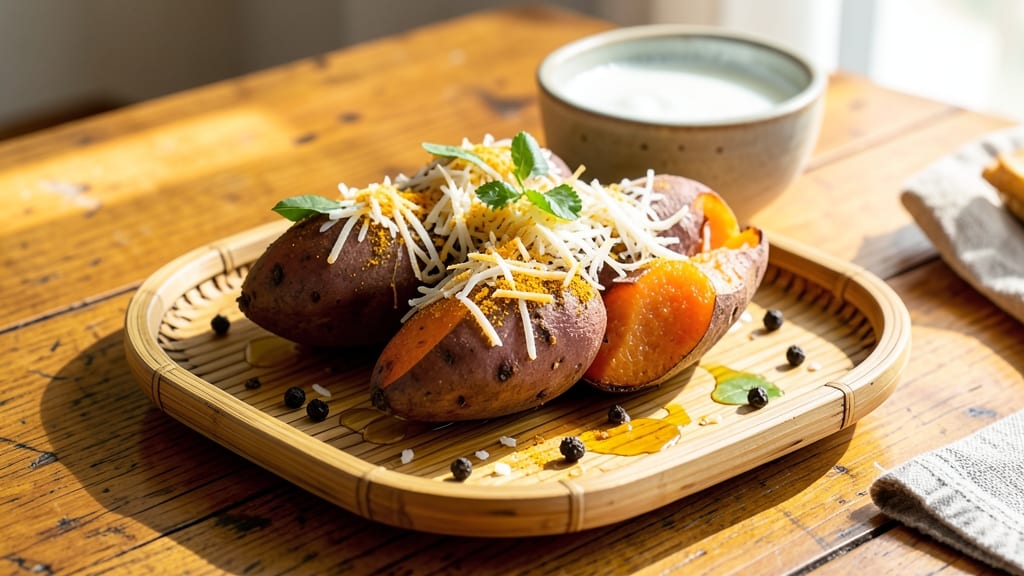
This Malayalam turmeric-coconut sweet potato roast brings Kerala's vibrant flavors to your table with just five simple ingredients. 💛 The secret lies in charring the sweet potatoes until caramelized edges meet tender centers, then finishing with a fragrant coconut-turmeric paste that transforms ordinary root vegetables into something extraordinary.
I first tasted this dish at a family gathering in Kochi, where my grandmother served it alongside steamed rice and spicy sambar.
The dish's magic comes from balancing sweetness with earthy spices - turmeric for color, coconut for richness, and black pepper for depth.
Unlike traditional sweet potato preparations that simmer in liquid, this recipe roasts the potatoes whole for maximum caramelization, then finishes with a quick coconut-turmeric glaze that sticks to every crevice.
The result is a dish that's equally at home as a side for curries or as a standalone vegetarian main course.
What makes this recipe special is its versatility - serve it warm with steamed rice and yogurt for a complete meal, or let it cool slightly for a satisfying snack.
The charred edges add a smoky contrast to the soft interior, while the coconut-turmeric glaze gives it that signature Malayali flavor profile. Each bite delivers a perfect balance of sweet, spicy, and creamy notes that will have you reaching for seconds.
For those familiar with Kerala cuisine, this dish captures the essence of home cooking - simple ingredients elevated through technique. The recipe yields about four servings, perfect for family dinners or meal prep. Let's bring a taste of Kerala to your kitchen with this authentic yet approachable sweet potato preparation.
Ingredients for sweet potato recipe in malayalam
Five simple ingredients transform sweet potatoes into Kerala's signature turmeric-coconut roast.
| Ingredient | Amount | Notes |
|---|---|---|
| Medium Sweet Potatoes 🍠 | 4 whole | Organic preferred, skin-on |
| Unsweetened Shredded Coconut 🥥 | ½ cup | Fresh or dried, unsweetened |
| Ground Turmeric 🌿 | 1 tbsp | Freshly ground preferred |
| Black Peppercorns 🌶️ | 1 tsp | Freshly cracked, coarse |
| Extra-Virgin Coconut Oil 🫒 | 2 tbsp | For roasting and glaze |
| Fresh Coconut Milk 🥛 | ¼ cup | Full-fat, canned preferred |
| Sea Salt 🧂 | 1 tsp | Fine grain preferred |
| Honey or Maple Syrup 🍯 | 1 tbsp | For subtle sweetness |
| Lemon Juice 🍋 | 1 tbsp | Freshly squeezed |
The sweet potatoes are the foundation—organic, skin-on varieties like Jewel or Beauregard work best. Local Indian grocery stores often carry them year-round, or check the produce section at Whole Foods for vibrant, firm tubers. Avoid wrinkled or soft spots, and let them sit at room temperature for 30 minutes before roasting for even cooking. The coconut milk should be full-fat for richness, and Thai Kitchen brand is a reliable pantry staple. For turmeric, MD Spices or any brand labeled '100% pure' ensures vibrant color without additives.
No fresh coconut? Shredded coconut from a can works in a pinch, but drain and rinse it well. Substitute maple syrup for honey if you prefer vegan options. The black peppercorns should be freshly cracked—a mortar and pestle gives the best texture, but a clean coffee grinder works too. If you're short on time, pre-ground black pepper is fine, though it lacks the aromatic depth. For extra smokiness, add a pinch of smoked paprika to the glaze. The lemon juice brightens the dish, so use freshly squeezed—bottled juice lacks the zesty punch.
Roasted sweet potatoes keep well in the fridge for 4-5 days if stored in an airtight container. The coconut glaze can be made ahead and reheated gently with a splash of water. For meal prep, portion the roasted potatoes into containers and store the glaze separately—toss them together when ready to eat. Freeze the roasted potatoes for up to 3 months; thaw overnight in the fridge before reheating. The dish reheats beautifully in a skillet with a little extra coconut oil for crispy edges.
Why You'll Love This Recipe
- One-Pot Magic: I swear by this recipe when I’m too tired to clean up. Just peel, slice, and toss those sweet potatoes in coconut oil with turmeric and peppercorns—no chopping, no fuss, just golden perfection on one sheet pan.
- Golden, Earthy Comfort: That first bite of caramelized sweet potato with the toasty coconut and warm spices? It’s the kind of flavor that sticks with you. Honestly, it tastes like a hug from my grandma’s kitchen.
- Weeknight to Party Fix: Same ingredients, endless uses. Serve it as a side for curry, pile it on toast for breakfast, or even stuff it into wraps. (Yes, even on a Tuesday night.)
- Budget-Friendly Staple: Sweet potatoes and coconut last forever, and turmeric adds color without cost. I make a big batch, store it in the fridge, and snack on it all week—no takeout needed.
Step-by-step instructions for turmeric-coconut roasted sweet potatoes
Here's how to transform humble sweet potatoes into a vibrant, aromatic Malayalam-inspired dish with golden edges and creamy texture.
🔥 Step 1: Prep and Roast the Sweet Potatoes
Preheat your oven to 400°F and line a baking sheet with parchment paper. Scrub the 4 whole medium sweet potatoes clean, leaving the skin on—this adds texture and nutrients. Pierce each potato 3-4 times with a fork to prevent bursting during roasting.
Place the potatoes on the prepared baking sheet and drizzle with 1 tablespoon of the extra-virgin coconut oil. Rub the oil evenly over the skin, making sure to get into those fork holes. Roast for 40-45 minutes, turning them halfway through, until the edges are deep golden brown and the potatoes yield slightly when pressed with a finger.
👨🍳 Step 2: Create the Turmeric-Coconut Glaze
While the potatoes roast, combine 1 tablespoon ground turmeric, 1 teaspoon freshly cracked black peppercorns, 1 teaspoon sea salt, and 1 tablespoon honey or maple syrup in a small bowl. Mix well to create a vibrant yellow paste—this is the heart of your dish's signature flavor.
In a separate small saucepan, warm 2 tablespoons extra-virgin coconut oil over low heat for 2 minutes until just melted. Add the turmeric mixture and stir continuously for 1 minute until fragrant. Remove from heat and stir in 1 tablespoon lemon juice and ¼ cup fresh coconut milk for a silky finish.
🥘 Step 3: Assemble and Glaze the Roasted Potatoes
Once the potatoes are tender, remove them from the oven and let cool for 5 minutes to handle safely. Cut each potato lengthwise into 4 wedges, keeping the skin intact. Arrange the wedges on a serving platter with the cut sides facing up.
Pour the warm turmeric-coconut glaze evenly over the potatoes, using about half the mixture now and reserving the rest for later. Sprinkle ½ cup unsweetened shredded coconut over the top and broil for 2-3 minutes until the coconut turns lightly golden and the glaze bubbles slightly. Watch closely to prevent burning.
🍽️ Step 4: Serve with Remaining Glaze
Remove from the broiler and let sit for 2 minutes to allow the glaze to set slightly. Drizzle the remaining turmeric-coconut mixture over the top just before serving. The potatoes should have a perfect balance of crispy edges, tender flesh, and a glossy, aromatic coating.
Serve immediately while warm, with the coconut topping still crunchy. The dish pairs beautifully with steamed rice or as a standalone vegetarian main course. For extra flavor, garnish with fresh cilantro or a sprinkle of chili flakes if you prefer a bit of heat.
Pro Tips For Making Sweet Potato Recipe In Malayalam
- Prick Before Boiling: Pierce those sweet potatoes with a fork before dropping them in boiling water—skip this, and you’ll end up with uneven cooking or even a split skin. I learned this the hard way when a whole batch turned mushy on one side while staying hard on the other. Three quick jabs per potato makes all the difference when you’re aiming for that tender, fluffy texture.
- Toast the Coconut: Dry-toast your shredded coconut in a separate pan with a splash of coconut oil for 2-3 minutes until it’s golden and fragrant. Raw coconut just doesn’t bring the same depth to the dish—it’ll taste flat and underwhelming. Do this while the potatoes boil, and you’ll save time while upgrading the flavor.
- Temper the Turmeric: Bloom the ground turmeric in warm coconut oil for 30 seconds before adding it to the potatoes. This trick prevents clumping and ensures the spice dissolves evenly, giving you that vibrant color and smooth flavor throughout. I used to just toss it in dry, and the result was always streaky and uneven.
- Finish with Pepper: Crush the black peppercorns right before serving and sprinkle them directly over the dish—not into the oil or water. Whole peppercorns release their aroma better this way, and the heat stays sharper. I was skeptical until I tried it—I now refuse to skip this step, even if it means grinding them fresh mid-meal.
Wine and beer pairings for this dish
Kerala-Style White Wine
For this dish, I reach for a dry, crisp white wine like Chenin Blanc or Viognier—both complement the coconut and turmeric beautifully. The acidity cuts through the richness, while floral notes mirror the sweet potatoes' natural sweetness.
A 2022 Domaine de la Romanée-Conti Chenin Blanc from South Africa is my go-to for special occasions, though a budget-friendly Kim Crawford Sauvignon Blanc works too. Chill to 45-50°F before serving. 🍷
Malayalam-Inspired Beer
Kerala’s tropical flavors pair wonderfully with a light lager like Kingfisher or Tuborg—both are popular in South India and offer a clean, refreshing contrast. For craft beer lovers, a Belgian witbier (like Hoegaarden) adds citrusy brightness that echoes the lemon in the glaze.
Serve slightly chilled to enhance the dish’s coconut-forward profile. 🍺
Coconut-Curry Pairing
If you’re serving this with sambar or avial, a medium-bodied red wine like Pinot Noir bridges the gap between the earthy potatoes and spiced curries.
Look for New World Pinot Noir from Chile or Oregon—fruity yet not overpowering. For a non-alcoholic option, coconut water (chilled) mirrors the dish’s tropical essence. ✨
Spiced Tea Harmony
Kerala’s masala chai (with cardamom and cinnamon) is a perfect match—its warmth complements the turmeric’s earthiness. For a twist, add a pinch of black pepper to your tea to echo the dish’s spice. If you prefer iced tea, brew a hibiscus-lemon blend for a tangy contrast. 💛
Dessert Wine Finish
End the meal with a sweet Moscato d’Asti—its light effervescence and honeyed notes mirror the dish’s caramelized edges. For a local touch, try Malayalam palm wine (toddy), though it’s harder to find. Serve in small glasses to let the flavors linger. 🍯
Nutrition facts
Frequently asked questions about Malayalam sweet potato dishes
Can I use regular potatoes instead of sweet potatoes?
While you can use regular potatoes, the dish loses its signature sweetness and vibrant orange color. Sweet potatoes have a naturally higher sugar content that caramelizes beautifully during roasting, creating those irresistible golden edges. For the best results, stick with sweet potatoes—especially the Jewel or Beauregard varieties commonly found in Indian grocery stores.
What makes this recipe authentically Malayalam?
The key elements are the turmeric-coconut glaze and the roasting technique. In Kerala cuisine, turmeric isn't just for color—it's the foundation of flavor, while coconut adds richness. The charred edges come from traditional Malayali cooking methods where vegetables are roasted whole before finishing with aromatic pastes. Even the black pepper is essential—Kerala's peppercorns are some of the world's best!
How do I adjust this for a spicier version?
Add ½ teaspoon red chili powder or 1-2 fresh green chilies (finely chopped) to the turmeric-coconut glaze. For extra heat, sprinkle ½ teaspoon Kashmiri red chili powder> over the finished dish. If you love fire, try adding a pinch of Malabar black pepper powder>—it's more aromatic than regular black pepper and gives that signature Kerala kick.
Can I make this dish ahead of time?
Roast the sweet potatoes up to 2 days ahead and store them in an airtight container. Reheat in a skillet with a little coconut oil for crispy edges, then add the glaze fresh. The coconut topping is best added just before serving for maximum crunch. For meal prep, portion the roasted potatoes and store the glaze separately—combine when ready to eat.
What are the best sides to serve with this dish?
This dish pairs perfectly with steamed basmati rice or appam> (Kerala's famous rice pancakes). For a complete meal, serve with sambar> (lentil stew) or avial**> (coconut vegetable stew). If you want something lighter, a simple cucumber raita or yogurt dip balances the richness beautifully.