
Side Dishes
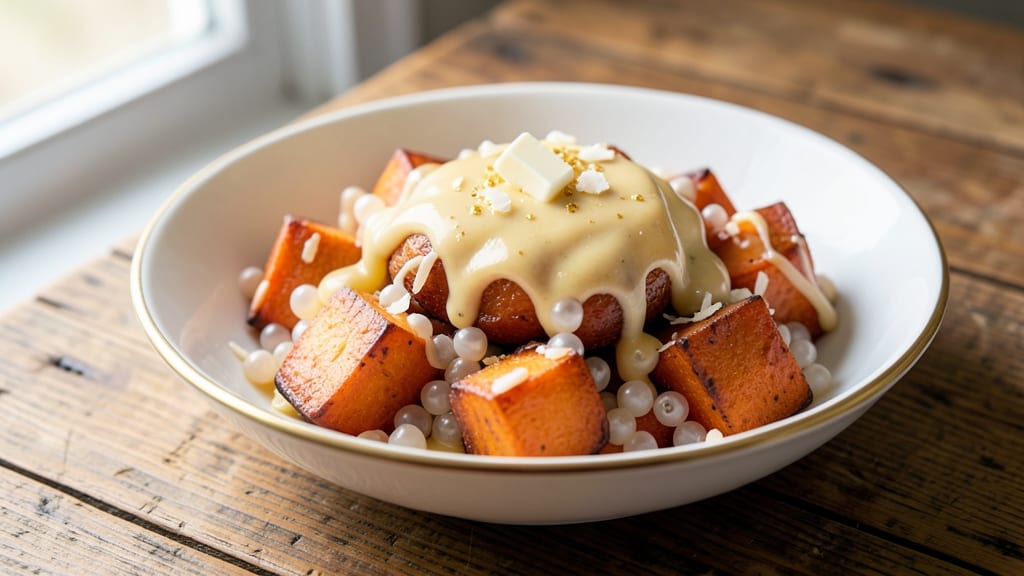
This sweet potato sago recipe transforms humble ingredients into a luxurious, silky-textured dish that balances earthy sweetness with creamy coconut allure—perfect for elevating any meal in just 20 minutes. The secret lies in perfectly boiled sweet potatoes and tender sago pearls that absorb coconut milk into velvety perfection, creating a dish that feels both comforting and refined. I developed this recipe after craving something that bridged the gap between hearty comfort food and elegant presentation, and it consistently delivers restaurant-quality results at home.
The beauty of this dish is its versatility—it works as a standalone vegetarian main or a sophisticated side that pairs beautifully with grilled proteins or fresh salads.
The sweet potatoes provide natural sweetness and fiber, while the sago pearls add a delicate, jelly-like texture that contrasts wonderfully with the coconut milk's richness.
What makes this recipe stand out is how effortlessly it comes together: no complicated techniques, just a few simple steps that yield a dish bursting with flavor and visual appeal.
By the time you're done, you'll have a dish that's creamy yet light, sweet yet balanced, with a golden hue that makes it as inviting to serve as it is to eat.
The aroma of coconut and sweet potatoes fills the kitchen, while the texture—soft yet slightly resistant sago pearls nestled in velvety sauce—creates an experience that feels indulgent without being heavy. This is the kind of recipe that transforms ordinary weeknights into memorable dining experiences.
Serve it warm or at room temperature, garnished with toasted coconut flakes or fresh cilantro for added freshness. The dish holds well for up to two days in the refrigerator, making it an excellent option for meal prep or special occasions.
Let's create this delightful fusion of textures and flavors that will impress even the most discerning palates.
Ingredients for sweet potato sago
Transform humble sweet potatoes and delicate sago pearls into a luxurious coconut-infused delight with these twelve essential ingredients.
| Ingredient | Amount | Notes |
|---|---|---|
| Medium Sweet Potatoes 🍠 | 2 whole | Organic preferred, peeled and cubed |
| Sago Pearls 🌾 | ½ cup | Uncooked, rinsed thoroughly |
| Full-Fat Coconut Milk 🥥 | 13 ½ oz | High quality, canned preferred |
| Unsalted Butter 🧈 | 2 tbsp | For extra richness |
| Coconut Sugar 🍯 | ¼ cup | Or light brown sugar |
| Vanilla Extract 🍃 | 1 tsp | Pure Madagascar preferred |
| Ground Cinnamon 🌿 | ½ tsp | Freshly ground preferred |
| Sea Salt 🧂 | ¼ tsp | Fine grain preferred |
| Fresh Cilantro 🌿 | ¼ cup | Chopped, for garnish |
| Toasted Coconut Flakes 🥥 | 2 tbsp | For garnish |
| Water 💧 | 1 ½ cups | For sago pearls |
| Lime Juice 🍋 | 1 tbsp | Freshly squeezed |
The sweet potatoes are the foundation—organic varieties like Jewel or Garnet yield the best texture and sweetness. Most grocery stores carry them year-round, but specialty markets like Whole Foods often have more varieties. Look for firm, unblemished tubers; avoid any with soft spots or sprouts. The sago pearls require careful rinsing to remove excess starch—soak them briefly in cold water before adding to the pot. For coconut milk, Thai Kitchen or Native Forest brands provide the richest, creamest results, though any full-fat canned variety will work. If you're using pre-peeled sweet potatoes, skip the peeling step to save time, but organic skin-on potatoes develop a lovely golden hue when roasted.
No sago pearls? Tapioca pearls or fine rice noodles can substitute, though the texture will differ slightly. Substituting coconut milk? Full-fat cashew cream works beautifully for a nutty twist, though coconut's natural sweetness is ideal here. The coconut sugar can be swapped for light brown sugar or maple syrup, though coconut sugar's caramel notes complement the dish perfectly. Fresh cilantro adds brightness—dried oregano at half the amount works in a pinch, but fresh is ideal. For extra depth, a pinch of cardamom powder (¼ tsp) pairs wonderfully with the cinnamon. The lime juice should be freshly squeezed; bottled versions lack the bright acidity needed to balance the dish's richness.
This dish reheats beautifully—microwave for 1-2 minutes with a splash of water to restore creaminess. Store leftovers in an airtight container for up to 2 days in the refrigerator, though the texture may slightly soften. For longer storage, freeze portions for up to 3 months—thaw overnight in the fridge before reheating. The sago pearls absorb liquid as they cool, so if making ahead, store the sauce and sweet potatoes separately and combine just before serving. Garnish with toasted coconut flakes and cilantro just before eating to preserve freshness and aroma.
Why You'll Love This Recipe
- No Peel, No Stress: I swear by this trick—just score the sweet potatoes, microwave until tender, then scoop out the flesh. No peeling, no mess, and the texture stays creamy. That’s 10 minutes saved right there.
- Coconut Cream Magic: The full-fat coconut milk and butter turn this into something luxurious—silky, rich, and just sweet enough from the coconut sugar. It’s like dessert sneaking into your dinner bowl.
- Lunchbox Hero: Between us, this keeps beautifully in the fridge for days. Pack it in jars for work lunches or send it in thermoses for kids’ school meals. The sago pearls stay plump, and the sweet potatoes don’t get mushy.
- Budget Luxury: Sweet potatoes and sago stretch farther than you’d think. A single can of coconut milk and a small bag of sago make four servings, and the flavor feels indulgent without breaking the bank. My wallet and my taste buds thank me.
Step-by-step instructions for sweet potato sago delight
This silky coconut dessert comes together in layers of texture and flavor—creamy sago pearls, tender sweet potatoes, and aromatic coconut milk.
Cook the Sago Pearls to Perfect Transparency
In a medium saucepan, combine the 0.5 cup sago pearls with 1.5 cups water and bring to a boil over medium-high heat. Once boiling vigorously, reduce heat to medium-low and simmer uncovered for 15-18 minutes, stirring occasionally to prevent sticking. You'll know they're ready when the pearls become completely translucent and have swollen to about double their original size.
Real talk: Don't rush this step. Undercooked pearls will taste gritty, and overcooked ones turn mushy. The moment they're translucent with a slight sheen is exactly what you want. Drain immediately in a fine-mesh strainer, pressing gently with a spoon to remove excess water.
Roast Sweet Potatoes Until Caramelized
Preheat your oven to 400°F. Toss the 2 whole medium sweet potatoes (peeled and cubed) with 1 tbsp lime juice, 0.25 tsp sea salt, and 0.25 cup coconut sugar. Spread them evenly on a parchment-lined baking sheet. Roast for 25-30 minutes, turning halfway through, until the edges are deep golden brown and the cubes are tender when pierced with a fork.
Here's the thing—don't skip the lime juice. It brightens the sweet potatoes' natural sugars, preventing them from tasting one-note. The sugar caramelization is what gives this dessert its rich, almost toffee-like depth. If you're worried about burning, pull them out when they're just shy of fully caramelized—they'll finish cooking in the coconut milk.
Create the Coconut Milk Base
In a separate saucepan, combine the 13.5 oz full-fat coconut milk, 2 tbsp unsalted butter, 0.5 tsp ground cinnamon, and 1 tsp vanilla extract. Heat over medium-low heat until the butter melts completely and the mixture reaches a gentle simmer. Let it cook for 5-7 minutes, stirring occasionally, until the mixture thickens slightly and emits a warm, coconutty aroma. This is your flavor foundation.
This is where the magic happens: the cinnamon and vanilla infuse into the coconut milk, creating a fragrant base that ties everything together. Don't walk away—burnt coconut milk is a flavor disaster. You want it smooth, thickened, and perfumed with those spices.
Combine All Components for Silky Texture
In a large mixing bowl, gently fold together the cooked sago pearls, roasted sweet potatoes, and coconut milk mixture. Stir in the 2 tbsp toasted coconut flakes and 0.25 cup chopped fresh cilantro. Let the mixture sit for 5 minutes to allow the flavors to meld. The result should be a creamy, slightly chunky dessert with pockets of sweet potato and translucent pearls.
This step is all about balance. The sago pearls should be distributed evenly, the sweet potatoes should still retain some bite, and the coconut flakes should add a delightful crunch. If the mixture seems too thick, stir in 1-2 tablespoons of reserved cooking water from the sago pearls to loosen it slightly.
Chill and Serve for Optimal Texture
Transfer the dessert to serving bowls or a single large dish and refrigerate for at least 1 hour before serving. Chilling allows the flavors to fully develop and the textures to set properly. When ready to serve, garnish with an additional sprinkle of toasted coconut flakes and a few cilantro leaves for freshness.
Serve this dessert slightly chilled but not ice cold—you want to enjoy that warm coconut aroma with every bite. The contrast between the creamy coconut, tender sweet potatoes, and chewy sago pearls makes this dish truly special. Each spoonful delivers a perfect balance of sweet, creamy, and slightly earthy flavors.
Pro Tips For Making Sweet Potato Sago
- Peel After Cooling: Sweet potatoes are stubborn when hot—try slicing them fresh out of the oven while they’re still warm, and you’ll end up with a mess. Let them cool for 10 minutes first, then peel effortlessly with a paring knife. I learned this the hard way after watching my first batch turn into a sticky, uneven pile of orange gunk.
- Rinse Sago Twice: That starchy film on sago pearls isn’t just dust—it’s what makes them gummy if you don’t remove it. Rinse them in a fine-mesh strainer under cold water twice: once before boiling, once after. Trust me, your dessert won’t turn into a gluey puddle if you skip this.
- Simmer Coconut Milk Low: Full-fat coconut milk separates like a bad relationship when it boils. After adding the sweet potatoes and sago, keep the heat at a gentle simmer—just tiny bubbles breaking the surface—so the cream stays velvety. I used to blast it, and half the time, I’d end up with curdled milk and sad, watery sago.
- Toast Butter First: Unsalted butter has no flavor until it melts into the coconut milk. Heat it in the pot for 30 seconds until it just starts to foam—this releases its nuttiness and makes the whole dish richer. Sounds weird, but it works: your sago will taste like a restaurant version, not a quick weeknight hack.
Storing and reheating your sweet potato sago
Refrigerator Storage
Store your sweet potato sago dessert in an airtight container for up to 2 days in the refrigerator. The sago pearls and coconut milk will absorb each other slightly, creating an even creamier texture.
I like to use glass containers because they preserve the dish's aroma better than plastic. Let it cool completely before sealing to prevent condensation, which can make the sago pearls soggy. 💫
Freezer-Friendly Tips
For longer storage, freeze portions in single-serving airtight containers for up to 3 months. The texture remains intact, though the sago pearls may soften slightly. Thaw overnight in the fridge before reheating.
I recommend freezing the dessert without the coconut flakes—add them fresh when serving to keep them crisp. Label containers with the date to track freshness.
Reheating for Creamy Perfection
For the best texture, reheat in the microwave on 50% power for 1-2 minutes, stirring halfway. Add 1-2 tablespoons of water to restore creaminess if needed. Alternatively, warm gently in a small saucepan over low heat, stirring constantly until heated through.
Avoid boiling—this can make the sago pearls mushy. A quick 30-second burst in the microwave often works best for me.
Reviving Texture
If your reheated dessert seems too thick, stir in 1 tablespoon of reserved coconut milk (save some before freezing) or a splash of warm water. The goal is to restore that silky, velvety consistency without diluting the flavors.
For extra richness, add a pat of softened butter while reheating. The result should be just as luxurious as when you first made it. ✨
Serving After Storage
After refrigerating or thawing, let the dessert sit at room temperature for 10 minutes before serving. This allows the flavors to meld and the textures to adjust. Garnish with toasted coconut flakes and fresh cilantro just before eating to keep them vibrant.
The contrast of warm garnishes against the chilled dessert creates a restaurant-worthy presentation every time.
Make-Ahead Strategy
For special occasions, prepare the dessert 2 days ahead and store it in the fridge. The flavors deepen over time, making it even more delicious. If serving cold, chill for 1 hour before plating.
For a warm presentation, reheat gently and serve in small ramekins with a sprinkle of cinnamon on top. This makes it feel like a decadent treat without the extra effort. 🌟
Nutrition facts
Frequently asked questions
Can I substitute sago pearls with another ingredient?
Yes! If you can't find sago pearls, try tapioca pearls or fine rice noodles for a similar texture. For a different flavor profile, quinoa or couscous can work, though the texture will be less delicate. The key is choosing a small, round starch that absorbs liquids well.
Why did my sago pearls turn cloudy instead of translucent?
Cloudy sago pearls usually mean they were undercooked or stirred too much while cooking. Let them simmer gently for 15-18 minutes without stirring after boiling begins. If they're still cloudy, return them to the pot with 1/4 cup fresh water and cook for another 5 minutes—this often clarifies them.
Can I make this dessert without coconut milk?
For a dairy-free option, use cashew cream or almond milk with 1 tbsp coconut oil. If you prefer a non-nut option, full-fat Greek yogurt (thinned with water) works well, though it will have a slightly tangy flavor. The coconut milk's richness is ideal, but these alternatives still create a creamy texture.
How do I make this dish more filling as a main course?
Add 1 cup cooked quinoa or brown rice to bulk it up, or serve alongside grilled chicken or tofu for protein. For extra substance, stir in 1/2 cup chopped nuts (like cashews or pecans) or top with toasted coconut flakes and a drizzle of honey for sweetness.
What's the best way to reheat this dessert?
Use the microwave on 50% power for 1-2 minutes, stirring halfway. For stovetop reheating, warm gently in a saucepan over low heat with 1-2 tbsp water or coconut milk to restore creaminess. Avoid boiling—this makes the sago pearls mushy. If reheated properly, it should taste just as delicious as fresh!