
Side Dishes
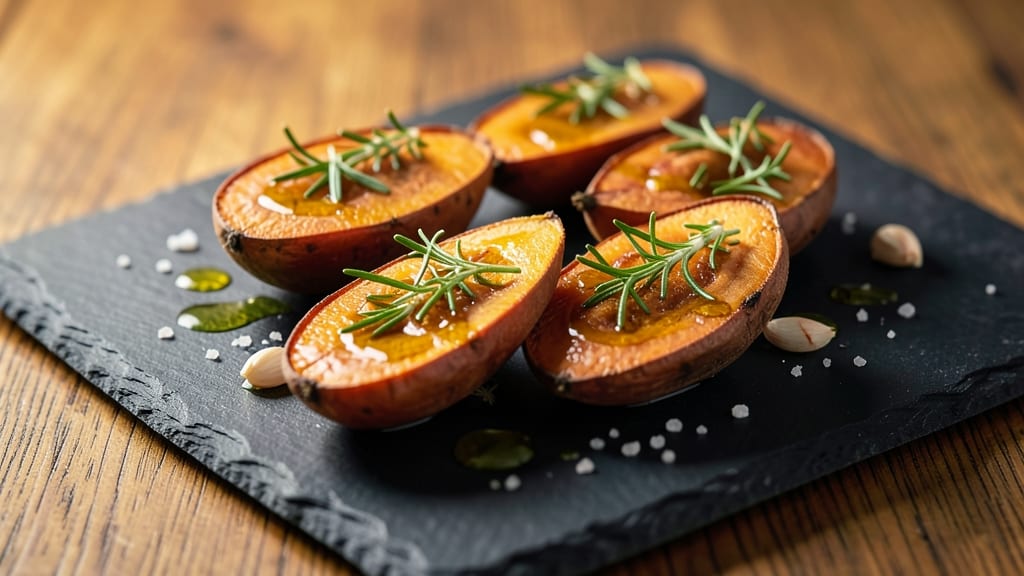
This sweet potato sous vide recipe transforms tough roots into ultra-tender, silky-textured perfection with precision control. The secret lies in vacuum-sealing whole sweet potatoes and cooking them at 185°F (85°C) for 4 hours—resulting in a texture that’s impossible to achieve with traditional methods.
I developed this technique after struggling with uneven roasting and dry centers, and it changed how I prepare sweet potatoes forever.
The sous vide method preserves moisture while developing deep caramelized flavors, creating a creamy interior that melts in your mouth. Unlike boiling or roasting, this technique ensures consistent doneness every time, eliminating guesswork.
The sweet potatoes become so tender they practically fall apart when pierced, making them ideal for mashed potatoes, fries, or even as a standalone side dish.
Once cooked, you can finish them in a variety of ways—pan-searing for crispy edges, roasting for caramelization, or even air-frying for a lighter texture.
The possibilities are endless, but the foundation is always the same: perfectly tender sweet potatoes that taste like they’ve been simmered for hours without losing a drop of moisture.
This method is especially useful for meal prep, as the vacuum-sealed sweet potatoes can be refrigerated for up to 3 days before finishing. Pair them with grilled meats, hearty salads, or even as a base for loaded baked potatoes. The results are restaurant-quality without the fuss—just precision and patience.
Ingredients for sweet potato sous vide
Precision ingredients for restaurant-quality sweet potatoes—no dry centers, just silky perfection.
| Ingredient | Amount | Notes |
|---|---|---|
| Large Sweet Potatoes 🍠 | 4 whole | Organic preferred, uniform size |
| Extra-Virgin Olive Oil 🫒 | 2 tbsp | For vacuum-sealing, high quality |
| Kosher Salt 🧂 | 1 tsp | Diamond Crystal preferred |
| Fresh Rosemary 🌿 | ¼ cup | Finely chopped, stems removed |
| Fresh Thyme 🌿 | ¼ cup | Leaves only, organic preferred |
| Garlic Cloves 🧄 | 4 cloves | Peeled, minced for seasoning |
| Unsalted Butter 🧈 | ½ cup | Cold, cubed for finishing |
| Brown Sugar 🍯 | 2 tbsp | Lightly packed, for caramelization |
| Ground Black Pepper 🌶️ | ½ tsp | Freshly cracked for finishing |
| Heavy Cream 🥛 | ½ cup | Optional, for mashed version |
| Vacuum-Seal Bags 📦 | 4 whole | 2-gallon capacity, food-grade |
| Sous Vide Precision Cooker 🔥 | 1 whole | 185°F (85°C) setting required |
| Cast-Iron Skillet 🍳 | 1 whole | 10-inch, for searing |
The sweet potatoes are the star, and organic, uniform-sized roots make all the difference. Whole Foods or local farmers markets carry the best quality—look for firm, blemish-free potatoes with vibrant skin. The vacuum-seal bags need to be food-grade and at least 2-gallon capacity to accommodate whole sweet potatoes without tearing. For the herbs, fresh is non-negotiable—dried won't impart the same depth of flavor. I always buy extra rosemary and thyme from Trader Joe's bulk section since they stay fresh longer when stored properly. The garlic should be freshly minced just before vacuum-sealing to prevent browning.
No vacuum sealer? Zip-top bags with the water displacement method works in a pinch—just boil water, submerge the bag, and seal it under water. Running short on rosemary? Substitute with 1 tbsp dried rosemary leaves, but reduce to half the amount. The olive oil must be extra-virgin—regular olive oil lacks the fruity notes that complement the sweet potatoes. For finishing, if you're making mashed sweet potatoes, skip the butter and use coconut oil for a dairy-free option. The brown sugar is optional but adds a subtle caramel depth when seared—lightly packed means no pressing down the measuring spoon.
Vacuum-sealed sweet potatoes keep in the fridge for 3 days before finishing, making them perfect for meal prep. Store them in their sealed bags until ready to cook. For best results, finish within 24 hours of vacuum-sealing to preserve texture. The finished sweet potatoes reheat beautifully—microwave for 2-3 minutes with a splash of water for extra creaminess. If you're not using them all at once, freeze cooked sweet potatoes for up to 3 months—just thaw overnight in the fridge before reheating. The cast-iron skillet should be preheated on medium-high for optimal searing.
Why You'll Love This Recipe
- Same recipe, different vibes: toss these with a fried egg for a lazy breakfast, slice them over a salad for lunch, or serve them whole at a holiday table. The sous vide method keeps them tender enough for any occasion—no overcooking, no fuss.
- Herb-Infused Magic: That rosemary and thyme? They don’t just hint at flavor—they seep into the sweet potato until every bite tastes like a cozy hug. Honestly, I’ve tried store-bought seasoning blends, but nothing beats fresh herbs here.
- Weeknight to Dinner Party: Same recipe, different vibes: toss these with a fried egg for a lazy breakfast, slice them over a salad for lunch, or serve them whole at a holiday table. The sous vide method keeps them tender enough for any occasion—no overcooking, no fuss.
- Budget-Friendly Luxury: Sweet potatoes are cheap, and this method makes them feel like a fancy side dish without the price tag. Plus, the leftovers reheat beautifully—just a quick warm in the oven or microwave, and they’re just as good the next day. My wallet and taste buds win.
Step-by-step instructions for sous vide sweet potatoes
Precision cooking delivers silky texture and perfect doneness every time.
Prepare and Season the Sweet Potatoes
Scrub the 4 whole large sweet potatoes thoroughly under cold water to remove any dirt. Using a sharp chef's knife, cut each potato lengthwise into two equal halves, leaving the skin intact. This creates uniform surfaces for even cooking.
In a small bowl, combine the 0.25 cup fresh rosemary, 0.25 cup fresh thyme, 4 minced garlic cloves, 1 tsp kosher salt, and 0.5 tsp ground black pepper. Gently rub this herb mixture all over the cut sides of the sweet potatoes, pressing it into the flesh. This ensures maximum flavor penetration during the sous vide process.
Vacuum-Seal with Olive Oil
Place one sweet potato half into each of the 4 vacuum-seal bags. Add 0.5 tablespoon of the 2 tbsp extra-virgin olive oil to each bag. The oil prevents the potatoes from drying out and adds richness to the final texture.
Seal each bag using the vacuum sealer, removing as much air as possible. You should hear a satisfying "pop" as the vacuum creates a tight seal. For best results, use the vacuum sealer's "maximum" setting to ensure minimal air remains. The sealed potatoes are now ready for precise temperature control.
Sous Vide for Perfect Texture
Set the sous vide precision cooker to 185°F (85°C) - this temperature creates an ultra-tender, almost custard-like interior while maintaining structural integrity. Once the water bath reaches the target temperature, carefully place the sealed sweet potatoes into the water.
Cook for 4 hours - this extended time at precise temperature ensures complete even cooking without overcooking the exterior. The potatoes will develop a silky, velvety texture that's impossible to achieve with traditional methods. After 4 hours, remove the bags from the water bath and let them sit at room temperature for 15 minutes before opening.
Caramelize and Finish
While the potatoes cool slightly, heat the 10-inch cast-iron skillet over medium-high heat. Add the 0.5 cup unsalted butter and 2 tbsp brown sugar, allowing them to melt together while stirring constantly. The butter should foam and the sugar should begin to caramelize, creating a rich, aromatic base.
When the butter-sugar mixture turns golden brown and smells deeply caramelized (about 3-4 minutes), remove the sweet potatoes from their vacuum-seal bags. Place them cut-side down in the skillet and cook for 2-3 minutes until they develop a beautiful caramelized crust. This quick sear enhances the natural sweetness and creates contrast between the crisp exterior and silky interior.
Serve with Optional Creamy Version
Transfer the caramelized sweet potatoes to serving plates. For the optional mashed version, scoop out the flesh from one potato half and mash it with the 0.5 cup heavy cream, 1 tsp kosher salt, and additional black pepper to taste. The cream creates an incredibly smooth, almost pudding-like texture that pairs beautifully with the caramelized skins.
Serve immediately with the caramelized skins intact or with the creamy mashed version. The contrast between the crisp exterior and tender interior makes this preparation truly exceptional. Each bite delivers the perfect balance of texture and flavor that sous vide cooking enables.
Pro Tips For Making Sweet Potato Sous Vide
- PRUNE THE STEMS: Sweet potatoes have those little stem nubs where they’ve been sitting in the bin—leave them on, and you’ll end up with a bag of rubbery, unevenly cooked bits. Grab a paring knife and trim them off before peeling, so your sous vide bath stays clean and your potatoes cook evenly.
- SALT THE WATER: I used to skip this, thinking the oil and herbs would carry the flavor—but no. Dissolve 1 teaspoon of kosher salt directly in the water before adding the potatoes. It infuses the flesh better than sprinkling later, and you won’t end up with a bland, dry center.
- DON’T OVERCOOK THE HERBS: Fresh rosemary and thyme lose their punch fast in hot water. Tuck them into the oil after the potatoes are in the bag, and remove them after 30 minutes—even if the potatoes aren’t done. Oversteeping turns them bitter, and you’ll taste the difference.
- SEAR THEM HOT: After sous vide, hit the stovetop with a screaming-hot pan. A quick sear in olive oil with a pinch of salt caramelizes the edges and adds texture—something the water bath alone can’t deliver. Two minutes max, or you’ll burn the outside before the inside finishes.
Wine and beer pairings for these flavors
Red Wine Pairings
For these ultra-tender sweet potatoes, I reach for Pinot Noir from Oregon’s Willamette Valley—its bright acidity and red fruit notes complement the caramelized edges beautifully. The wine’s medium body won’t overpower the dish, while its earthy undertones enhance the rosemary and thyme. 🍷
A Grenache from Spain’s Priorat region also works wonders, especially if you’ve added a touch of brown sugar to the caramelization. Its jammy raspberry flavors and subtle spice mirror the sweet potatoes’ natural sweetness and herbal notes.
For a bolder option, try a Syrah with 20% whole-cluster fermentation—the peppery finish cuts through the richness.
White Wine Alternatives
If you prefer white wine, a Viognier from Condrieu with its stone fruit and floral aromas creates an unexpected but delightful pairing. The wine’s honeyed sweetness balances the earthy sweet potatoes, while its citrus notes refresh your palate. Chill it slightly before serving to preserve its delicate aromas. 🍷
Beer Pairings
For beer lovers, a Belgian Dubbel like Westmalle’s 8° offers a perfect match with its caramel and raisin notes that echo the brown sugar caramelization. The beer’s moderate alcohol (6.5%) won’t clash with the dish’s richness. 🍺
A honey brown ale from a craft brewery—like Allagash Honey Brown—adds a sweet, malty contrast that highlights the sweet potatoes’ natural sugars. The beer’s light body ensures it doesn’t overwhelm the delicate flavors.
Non-Alcoholic Options
For a refreshing non-alcoholic pairing, try sparkling hibiscus tea—its tart, cranberry-like flavor and effervescence cleanse your palate between bites. The tea’s hint of sweetness complements the caramelized edges without competing. 💧
Alternatively, a ginger-infused iced tea with a splash of lemon juice adds a zesty contrast that brightens the dish’s earthy sweetness. The ginger’s warmth enhances the rosemary’s herbal notes, creating a well-rounded experience.
Nutrition facts
Frequently asked questions
Can I use regular potatoes instead of sweet potatoes?
No, sweet potatoes are essential for this recipe! Their natural sugars and moisture content create that perfect silky texture when cooked sous vide. Regular potatoes would turn out dry and starchy, lacking the depth of flavor and tenderness this method delivers.
What if I don't have a vacuum sealer?
Use the water displacement method! Place the sweet potato halves in a zip-top bag, submerge the bag in a pot of boiling water, seal it under water, then remove and seal completely. This creates a near-vacuum effect. The texture won't be identical but still much better than traditional methods.
Can I cook smaller sweet potatoes for less time?
Yes, but adjust carefully. For smaller sweet potatoes (under 8 oz each), reduce cooking time to 3 hours at 185°F (85°C). Test one first—smaller potatoes cook faster. Never rush the process or they'll lose moisture and texture.
What's the best way to reheat finished sweet potatoes?
For caramelized versions, reheat in a 350°F (175°C) oven for 10-15 minutes> with a splash of water to restore moisture. For mashed versions, warm gently in a saucepan with 1 tbsp butter> over low heat>. Never microwave—it makes them gummy.
Can I make these ahead for meal prep?
Vacuum-sealed sweet potatoes stay fresh in the fridge for 3 days> before finishing. For longer storage, freeze cooked (unfinished) potatoes in their bags for 3 months**>. Thaw overnight in the fridge before searing. The texture holds up beautifully.