
Desserts
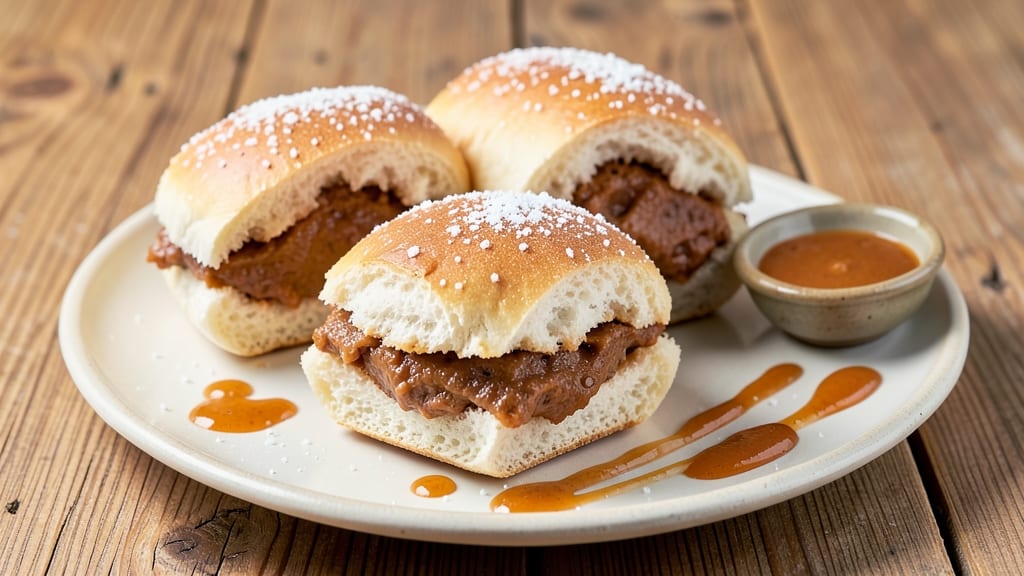
This sweet potato steamed bun recipe transforms humble ingredients into golden, pillowy buns with a caramelized sweet potato filling that melts in your mouth. The secret lies in balancing the dough's delicate texture with the filling's rich sweetness—no shortcuts, just time-honored techniques that deliver restaurant-quality results at home.
Every bite combines the soft, airy steam bun with the warm, slightly sticky sweet potato center, creating a harmony that's both comforting and sophisticated.
The dough starts with a simple mix of flour, yeast, sugar, and water, but the magic happens in the slow fermentation and careful shaping. Meanwhile, the sweet potato filling requires just the right amount of boiling, mashing, and seasoning to achieve that perfect caramelized sweetness without being overly cloying.
This recipe stays true to tradition while offering flexibility—whether you're working with classic wheat flour or adapting for gluten-free or vegan preferences.
What makes these buns truly special is their golden crust and tender interior, achieved through precise steaming techniques. The filling doesn't just sit inside—it interacts with the dough, creating pockets of flavor that make each bite feel like a revelation.
These aren't just desserts; they're an experience that bridges comfort food and refined baking, perfect for special occasions or a cozy weekend treat.
Ready to master the art of steamed buns? The process is straightforward once you understand the key steps—dough preparation, filling consistency, and steaming at the right temperature.
With just a few hours and a little patience, you'll have a tray of buns that look like they belong in a bakery window. Let's get started on creating these golden, fragrant clouds with a sweet potato heart.
Ingredients for sweet potato steamed bun
Golden buns with sweet potato hearts need just these 13 ingredients for restaurant-style results.
| Ingredient | Amount | Notes |
|---|---|---|
| All-Purpose Flour 🌾 | 4 cups | High protein for chewiness |
| Active Dry Yeast 🍞 | ¼ oz | Or 2.5g packet |
| Granulated Sugar 🍚 | ¼ cup | For yeast activation |
| Unsalted Butter 🧈 | ½ cup | Cold, cubed for dough |
| Milk 🥛 | 1 cup | Warm, 110°F |
| Large Eggs 🥚 | 1 whole | Room temperature |
| Sweet Potatoes 🍠 | 2 lbs | Orange-fleshed variety |
| Light Brown Sugar 🍚 | ½ cup | Packed for caramelization |
| Vegetable Oil 🫒 | 2 tbsp | For filling richness |
| Ground Cinnamon 🌿 | 1 tsp | Freshly ground preferred |
| Salt 🧂 | ½ tsp | Kosher or sea salt |
| Vanilla Extract 💧 | 1 tsp | Pure vanilla preferred |
| Baking Powder 🍞 | ½ tsp | For filling lift |
The flour is everything here—King Arthur or Gold Medal give the best texture. Yeast is non-negotiable: Fleischmann's or Saf-Instant work best, but check the expiration date. Sweet potatoes should be firm with no soft spots—organic from Trader Joe's or local farmers markets deliver the best flavor. For the filling, brown sugar adds caramel notes, but muscovado sugar takes it to next level if you want to splurge. The butter must be cold when mixed into the dough—cut it into small cubes and let it sit in the fridge while you measure other ingredients.
No brown sugar? Substitute with white sugar plus 1/4 tsp molasses for depth. Running short on vanilla? Almond extract at half the amount works in a pinch. The cinnamon can be swapped for cardamom or pumpkin pie spice if you prefer different warmth. For a lighter filling, reduce oil to 1 tbsp and add 1 tbsp mashed banana. The dough can handle 1/2 cup gluten-free flour blend if needed—just add 1 tsp xanthan gum. And if you're making these ahead, freeze shaped buns before steaming—they'll be ready in 10 minutes straight from frozen.
Store unsteamed dough balls in an airtight container with a damp towel for 24 hours in the fridge. The filling keeps 3 days covered in the fridge—microwave for 30 seconds before using. Steamed buns are best eaten fresh but reheat beautifully in a 350°F oven for 5 minutes. For make-ahead magic, freeze steamed buns on a tray, then transfer to a bag—reheat in a steamer for 3 minutes. The filling freezes too, but add 1 tbsp extra oil when reheating to prevent drying.
Why You'll Love This Recipe
- Sweet Potato Swap Magic: I’ll be honest—this recipe hooks me because it turns pantry basics into something special. No fancy ingredients, just flour, yeast, and a touch of sweet potato puree (which you can make from leftover roasted sweet potatoes). That creamy, caramelized flavor sneaks in without extra effort, and the buttery milk dough makes every bite worth it.
- Steam-Powered Perfection: Between us, I was skeptical about steamed buns—until I tried this. The yeasted dough gets tender and pillowy, while the sweet potato filling stays moist and rich. No oven needed, just a pot of boiling water, and you’ve got restaurant-quality texture in half the time. (Yes, even on a Tuesday night.)
- Breakfast to Brunch Hero: Here’s what sold me—they’re ridiculously good plain, but add a fried egg and crispy bacon, and suddenly you’ve got a weekend-worthy meal. Or stuff them with sausage and cheese for a handheld lunch. The dough’s neutral taste means it plays well with anything, and the sweet potato keeps things interesting.
- Budget-Friendly Leftovers: I make a double batch and freeze half—no waste, just convenience. Thaw overnight, steam again, and they’re fresh as ever. The butter and milk keep them rich without breaking the bank, and the sweet potato puree stretches farther than you’d think. (My daughter picks out the extra buns, but still asks for seconds.)
Step-by-step instructions for sweet potato steamed buns
Here's how to create tender buns with a sweet potato filling that caramelizes beautifully.
Prepare the Sweet Potato Filling
Preheat your oven to 375°F. Peel and dice the 2 lbs sweet potatoes into ½-inch cubes. Place them in a baking dish and drizzle with 2 tbsp vegetable oil, then toss to coat evenly. Spread the sweet potatoes in a single layer and roast for 25-30 minutes until they're fork-tender and deep golden brown around the edges.
Once roasted, transfer the sweet potatoes to a mixing bowl. Add the 0.5 cup light brown sugar, 1 tsp ground cinnamon, and 0.5 tsp salt. Mash the mixture lightly with a fork until it reaches a thick, spreadable consistency—you want some texture, not a puree. Let it cool completely before using.
Make the Yeast Dough
In a small bowl, combine the 1 cup warm milk (110°F), 0.25 cup granulated sugar, and 0.25 oz active dry yeast. Let it sit for 5-10 minutes until foamy. This step activates the yeast and ensures your buns rise properly. If the mixture doesn't bubble, your yeast may be inactive—start over with fresh yeast.
In a large mixing bowl, whisk together the 4 cups all-purpose flour and 0.5 tsp baking powder. Add the 0.5 cup cold, cubed unsalted butter, 1 whole large egg, and the yeast mixture. Mix with a wooden spoon until a shaggy dough forms. Knead by hand for 8-10 minutes until smooth and elastic, adding a splash of water if needed. The dough should be soft but not sticky.
Shape and Fill the Buns
Divide the dough into 12 equal pieces, each about 2 ounces. Roll each piece into a 6-inch circle on a floured surface. Place 1 tablespoon of the sweet potato filling in the center of each circle, then fold the dough over the filling to form a half-moon shape. Seal the edges tightly by pinching with your fingers, ensuring no filling escapes.
Place the filled buns seam-side down on a lightly floured surface, spacing them 1 inch apart. Cover with a clean kitchen towel and let them rise for 1 hour in a warm place until they've nearly doubled in size. The dough should feel springy when gently pressed—this confirms proper fermentation.
Steam the Buns to Perfection
Line a steamer basket with parchment paper and set it over a pot of boiling water. Steam the buns for 12-15 minutes until they're golden brown and sound hollow when tapped on the bottom. Avoid overcrowding the steamer to ensure even cooking and prevent soggy bottoms.
Transfer the buns to a wire rack to cool for 10 minutes before serving. The filling should be warm and caramelized, with a slight crack forming at the top as it cools. Serve warm with a dusting of powdered sugar or a drizzle of honey for extra sweetness. These buns are best enjoyed fresh—their pillowy texture and sweet filling make them irresistible!
Pro Tips For Making Sweet Potato Steamed Bun
- STEAM THE BUNNS FAST: Use a bamboo steamer with a tight lid and keep the water boiling—no simmering. I learned this the hard way after watching my buns turn soggy because the steam wasn’t aggressive enough. A full boil means fluffy, golden buns in 12-15 minutes, not 20.
- MELT BUTTER FULLY: Don’t just soften the butter—melt it completely before mixing into the dough. Cold butter patches make the sweet potato filling clump and turn grainy. Cool it slightly after melting (about 5 minutes) so it doesn’t cook the yeast alive.
- WEIGH YOUR FLOUR: Scooping flour from the bag packs it too tightly—use a kitchen scale for accuracy. I used to eyeball it, and my buns would either turn dense or collapse. For this recipe, aim for 500g (about 4 cups) of all-purpose flour, lightly spooned and leveled.
- DON’T SKIP THE SECOND RISE: Let the shaped buns rest for 30 minutes after filling before steaming. This gives the dough time to relax and prevents them from cracking open when the filling expands. Cover them with a damp towel to keep them soft—no dry edges here.
Perfect pairings for sweet potato steamed bun
Sweet Toppings
Finish your sweet potato steamed buns with powdered sugar for a classic touch—just dust 2 tablespoons over each bun right after steaming. For extra flair, drizzle with honey or maple syrup, warmed slightly to create a glossy finish.
I love adding toasted coconut flakes for crunch—sprinkle 1 tablespoon while the buns are still warm. 🍯
Warm Beverage Pairings
A steaming cup of jasmine tea complements the warm spices in the filling beautifully. For something richer, try chai latte with a dash of cinnamon to echo the filling’s flavors. If you prefer coffee, a lightly sweetened espresso cuts through the sweetness without overpowering it. 🍵
Fruit Accompaniments
Serve alongside sliced mango or pineapple for a tropical contrast—their acidity balances the sweetness. A small bowl of strawberries with a sprinkle of mint leaves adds freshness. For a more decadent option, pair with dark chocolate-dipped strawberries for a dessert-worthy presentation. 🍓
Savory Contrasts
Surprise your guests by serving with salted caramel sauce for a sweet-savory twist. A side of whipped mascarpone cheese adds creaminess, while crispy prosciutto offers a salty crunch. These pairings turn your buns into a versatile treat for any occasion. 🍖
Seasonal Variations
In fall, add a sprinkle of pumpkin spice or top with candied pecans. For winter, a dusting of cinnamon sugar and a dollop of vanilla bean ice cream makes them feel festive.
In summer, swap the filling for mango or peach and garnish with lime zest for a refreshing twist. 🍁
Nutrition facts
Frequently asked questions
Can I make the dough without butter?
Yes, but the texture will be slightly different. Replace the 0.5 cup butter with 0.5 cup vegetable oil or 0.5 cup melted coconut oil (cooled). The buns will still be tender, though not as rich. For a lighter option, use Greek yogurt—replace butter with 0.5 cup plain yogurt and reduce milk to 0.75 cup.
How do I fix sweet potato filling that's too runny?
If your filling is too thin, mash it with a fork until it thickens, then mix in 1 tablespoon cornstarch or 1 tablespoon gluten-free flour. Cook the filling in a small pan over low heat for 2-3 minutes while stirring until it thickens. Let it cool before using.
Can I make these buns gluten-free?
Use a 1:1 gluten-free flour blend (like Bob's Red Mill) and add 0.5 tsp xanthan gum to the dough. Reduce the milk to 0.75 cup to prevent stickiness. The filling stays the same, but gluten-free dough may need 5 extra minutes of steaming to achieve the same softness.
Why did my buns turn out dense instead of pillowy?
Dense buns usually mean the yeast didn't activate properly or the dough didn't rise enough. Double-check your yeast—it should foam within 5-10 minutes in warm milk. Also, ensure your kitchen is warm (or use a proofing box) and let the dough rise until it doubles in size. Over-kneading can also make buns tough, so knead just until smooth.
How long can I store leftover steamed buns?
Store steamed buns in an airtight container at room temperature for 1 day or refrigerate for 3 days. For longer storage, freeze them for up to 3 months. To reheat, steam for 3 minutes or microwave for 15 seconds (cover with a damp paper towel). Reheating in a steamer preserves their soft texture best.