
Desserts
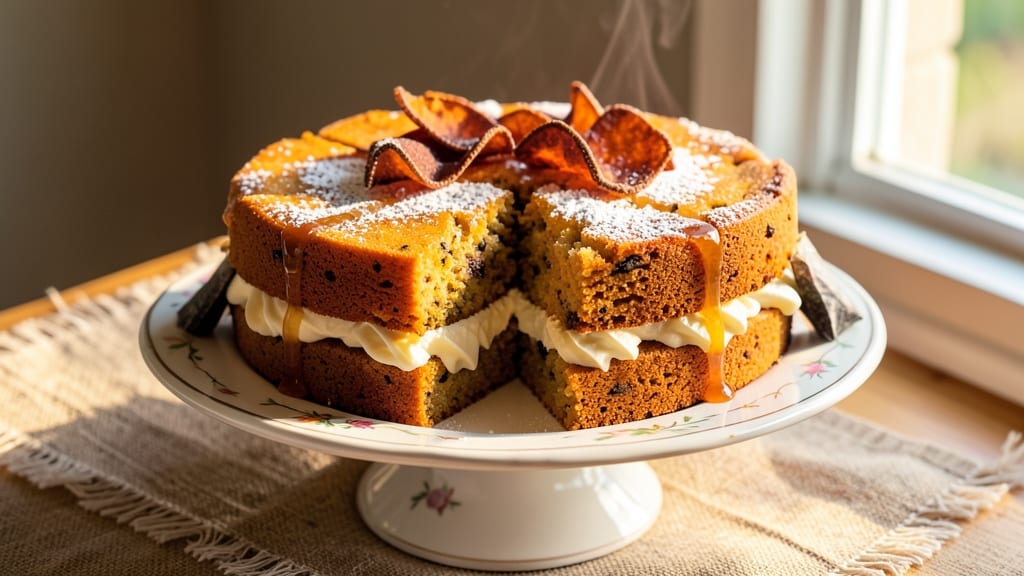
This sweet potato tea cake delivers layers of warm spice and buttery richness in every tender bite—perfect for cozy afternoons or special gatherings. 💛 The secret lies in roasting the sweet potato first to concentrate its natural sweetness, then infusing the batter with black tea for a subtle, aromatic depth that sets it apart from traditional cakes.
What makes this recipe truly special is how the moist, spiced cake crumbles just enough to soak up the buttery filling between each layer.
The process is straightforward but requires patience—roasting the sweet potato until tender and folding in the tea-infused batter ensures a cake that’s both flavorful and impossibly moist.
Warm spices like cinnamon and nutmeg complement the sweet potato’s natural earthiness, while the tea adds a sophisticated twist that elevates this dessert from ordinary to extraordinary.
The result is a cake with a delicate crumb and a buttery filling that melts at the slightest touch, making it a showstopper for any occasion.
What you’ll achieve is a cake that’s rich in flavor but light enough to enjoy without feeling overly heavy—a perfect balance of texture and taste. The roasted sweet potato adds natural sweetness, while the tea-infused batter brings a subtle complexity that keeps every slice interesting.
This isn’t just dessert; it’s a moment of comfort baked into a single, golden tin.
The best part? This recipe scales beautifully, whether you’re baking for a crowd or treating yourself to a single slice. The techniques are simple but precise, ensuring consistent results every time. Let’s get started on creating a cake that’s as impressive as it is delicious.
Ingredients for sweet potato tea cake
Roasted sweet potatoes, aromatic tea, and warm spices create this showstopping cake.
| Ingredient | Amount | Notes |
|---|---|---|
| Sweet Potatoes 🍠 | 2 large | Peeled and roasted until tender |
| All-Purpose Flour 🌾 | 2 ½ cups | Sifted for lighter texture |
| Granulated Sugar 🍚 | 1 ½ cups | Light brown preferred |
| Unsalted Butter 🧈 | 1 cup | Cold, cubed for filling |
| Large Eggs 🥚 | 2 whole | Room temperature |
| Black Tea Bags ☕ | 3 whole | Earl Grey or English Breakfast |
| Hot Water 💧 | 1 ½ cups | Steeped for tea infusion |
| Ground Cinnamon 🌶️ | 2 tsp | Freshly ground preferred |
| Ground Nutmeg 🌿 | ½ tsp | Freshly grated |
| Ground Ginger 🌶️ | 1 tsp | For warmth |
| Baking Powder 🍞 | 2 tsp | Aluminum-free |
| Salt 🧂 | ½ tsp | Fine sea salt |
| Vanilla Extract 🌸 | 1 tbsp | Pure alcohol-free preferred |
The sweet potatoes are the heart of this cake—pick firm, vibrant orange ones from the produce section. Costco or local farmers markets usually have the best quality. Roast them until fork-tender, then mash until smooth. The tea infusion is where the magic happens: Earl Grey or English Breakfast bags work best, steeped in hot water until cooled. For the spices, Penzeys or local spice shops carry the freshest ground cinnamon and nutmeg—trust me, it makes a difference. The flour should be sifted to avoid dense layers, and the butter? Use European-style butter if you can find it for richer flavor.
No Earl Grey? Any strong black tea works—just steep it longer for deeper flavor. Running short on brown sugar? White sugar plus a pinch of molasses mimics the depth. The tea bags can be reused once for a second infusion if you're feeling thrifty. For the spices, pre-ground works fine, but if you've got whole spices, toast and grind them fresh for maximum aroma. The vanilla extract? Imitation smells like perfume—splurge on pure if you can. And if you're gluten-free, swap the all-purpose flour for a 1:1 gluten-free blend, but expect slightly denser results.
This cake keeps beautifully—3 days at room temperature wrapped in foil, or up to 1 week refrigerated. For longer storage, slice and freeze individual portions for up to 3 months. The filling stays firm in the fridge but softens beautifully at room temperature. I like to make a double batch and give half away—it disappears fast. Reheat slices in the oven for 10 seconds to revive the buttery layers.
Why You'll Love This Recipe
- No Peel Required: I swear by this trick—just roast the sweet potatoes whole, then scoop out the flesh. No peeling, no mess, and you still get that velvety texture that makes the cake feel extra special.
- Buttery-Sweet Magic: That combo of warm sweet potatoes and rich butter? It’s like a hug in cake form. The sugar caramelizes just enough to give it a subtle depth, while the eggs keep it moist without being heavy.
- Breakfast or Dessert: Honestly, I make this for both. Serve it with a drizzle of honey and cinnamon for morning, or dust with powdered sugar for an after-dinner treat. The flour’s light touch means it’s never too dense—just perfectly balanced.
- Budget-Friendly Staples: Sweet potatoes and eggs stretch my grocery budget, and the butter and sugar are pantry basics. Plus, the leftovers? They stay fresh for days, so I’m always covered without extra cost.
Step-by-step instructions for sweet potato tea cake
This cake delivers layers of spiced sweet potato and buttery tea-infused filling—here's how to nail it every time.
🍳 Step 1: Roast Sweet Potatoes Until Tender
Preheat oven to 400°F. Pierce the 2 large sweet potatoes with a fork and place them directly on the oven rack. Roast for 45-50 minutes until a knife slides in easily and the flesh is fork-tender. Let cool slightly—this makes peeling easier without losing texture.
Here's the thing—don't skip the cooling step. Hot sweet potatoes will steam your kitchen and make peeling messy. Once cool enough to handle, peel off the skin using a vegetable peeler or paring knife. You should have about 2 cups of puréed sweet potato. Mash it in a bowl until completely smooth, removing any lumps.
👨🍳 Step 2: Make the Tea Infusion and Dry Mix
While the sweet potatoes roast, steep the 3 whole black tea bags in the 1.5 cups hot water for 5 minutes. Remove and discard the tea bags, then let the tea cool completely. This infusion adds depth that regular water can't match.
In a separate bowl, whisk together the 2.5 cups all-purpose flour, 1.5 cups granulated sugar, 2 tsp baking powder, 0.5 tsp salt, 2 tsp ground cinnamon, 0.5 tsp ground nutmeg, and 1 tsp ground ginger. Sift the flour mixture into the bowl to break up any lumps—this ensures a light, tender crumb. Set aside until ready to use.
🥘 Step 3: Combine Wet Ingredients for the Cake Base
In a large mixing bowl, combine the mashed sweet potatoes, cooled tea infusion, 2 whole large eggs, 1 cup unsalted butter (softened), and 1 tbsp vanilla extract. Mix with a hand mixer on medium speed for 2-3 minutes until completely smooth and creamy.
This is where the magic happens—the butter should be fully incorporated, and the batter should be thick but pourable. If it's too thick, add 1-2 tablespoons of the tea infusion to loosen it. The batter should coat the back of a spoon smoothly—this ensures even baking and proper layering.
🔥 Step 4: Assemble and Bake the Tea Cake
Preheat oven to 350°F. Grease a 9x13-inch baking pan thoroughly with butter and dust with flour. Pour half of the dry flour mixture into the pan, then spread it evenly. Pour half of the wet sweet potato mixture over the dry layer, then sprinkle with ¼ cup of the remaining dry mixture. Repeat with another layer of wet mixture and remaining dry mixture.
Bake for 40-45 minutes until the top is golden brown and a toothpick inserted in the center comes out clean. Here's the secret: don't overbake. The cake will continue cooking as it cools, and you want that moist, tender texture. Let it cool in the pan for 10 minutes before transferring to a wire rack.
⏰ Step 5: Rest and Serve for Perfect Texture
Once cooled, run a sharp knife around the edges to loosen the cake, then invert it onto a serving plate. Let it sit for 10 minutes before slicing—this allows the layers to set properly and prevents crumbling. The cake should have distinct layers with a moist, spiced crumb and subtle tea notes.
Slice into 8 equal portions and serve warm with a dusting of powdered sugar or a dollop of whipped cream. The contrast between the warm, spiced cake and cool topping is what makes this dessert truly special. Store leftovers in an airtight container at room temperature for up to 3 days.
Pro Tips For Making Sweet Potato Tea Cake
- Boil Potatoes Until Fork-Tender: Sweet potatoes should break apart easily when pierced with a fork—no hard centers allowed. I learned this the hard way after serving a batch with undercooked chunks that made the cake dense and gummy.
- Use Cake Flour for Lighter Layers: Swap half the all-purpose flour for cake flour if you can find it—this makes the crumb softer and less heavy. If not, sift your flour twice; that extra aeration makes a real difference in texture.
- Don’t Overmix the Batter: Stop folding in the sweet potato purée as soon as it’s just combined. Overmixing develops gluten, which turns this tender cake into a tough brick. Two or three gentle swirls is all you need.
- Bake in Two Rounds: If your cake pan is deep or your oven runs hot, bake it in two 15-minute rounds at 325°F (165°C) instead of one long bake. This guarantees even cooking without a dry top or gummy middle—especially crucial with sweet potatoes.
Serving suggestions for leftovers
Warm Spiced Toppings
Dust each slice with cinnamon sugar—mix 2 tablespoons granulated sugar with 1 teaspoon ground cinnamon—for an instant flavor boost. The warm spices complement the tea-infused cake beautifully. For extra warmth, sprinkle with toasted pecans or chopped walnuts (about ¼ cup) just before serving. 🌶️
Creamy Pairings
Serve with vanilla bean ice cream or whipped cream to balance the cake’s spiced richness. A dollop of clotted cream adds luxurious texture, while a drizzle of honey enhances the natural sweetness. For a lighter option, try coconut yogurt with a sprinkle of toasted coconut flakes.
Tea-Inspired Serving
Pair with a cup of Earl Grey tea or chamomile tea to echo the cake’s flavor profile. The tea’s floral notes harmonize perfectly with the sweet potato’s earthiness. For a festive touch, serve with warm spiced apple cider or mulled wine during colder months. ☕
Seasonal Garnishes
In fall, garnish with candied cranberries or sautéed apples for a tart contrast. For spring, add fresh berries or edible flowers like violets. In winter, a dusting of powdered sugar and crushed candy canes adds holiday cheer. The garnishes should complement, not overpower, the cake’s natural flavors.
Make-Ahead Presentation
For a restaurant-worthy presentation, slice the cake while still warm and arrange on a wooden board or marble slab. Brush the top with melted butter and sprinkle with flaky sea salt for a salty-sweet contrast.
Store leftovers in an airtight container with parchment paper between layers to maintain freshness. 💫
Nutrition facts
Frequently asked questions about sweet potato tea cake
Why does the recipe call for roasting the sweet potatoes first?
Roasting concentrates the natural sweetness and deepens the flavor of the sweet potatoes, making them the star of the cake. The process also removes excess moisture, which prevents a dense or gummy texture in the finished cake. Plus, it adds a caramelized depth that steamed or boiled sweet potatoes can't match.
Can I substitute regular water for the tea infusion?
You can try it, but the tea infusion adds subtle floral notes that complement the sweet potato's earthiness. If you're avoiding tea, use 1.5 cups warm milk (dairy or plant-based) instead—it adds richness without altering the flavor profile as dramatically. The tea is what gives this cake its unique character.
How do I know when the cake is fully baked?
Look for a golden brown top and insert a toothpick into the center—it should come out clean with just a few moist crumbs. Overbaking dries out the cake, so remove it when it's just slightly underdone. The cake will firm up as it cools, so err on the side of slightly underbaked.
Can I make this cake in a different pan size?
Yes, but adjust the baking time. For a 9-inch round pan, bake for 35-40 minutes instead of 45. For a 8-inch square pan, use 40-45 minutes. The cake should be checked with a toothpick regardless of pan size—focus on doneness rather than time.
What if my cake turns out too dense?
Dense texture usually means overmixing the batter or not sifting the dry ingredients properly. Next time, mix the wet ingredients just until combined, and sift the flour mixture thoroughly. Also ensure your sweet potatoes are fully mashed with no lumps. For a quick fix, slice the cake thinner and serve with extra whipped cream.