
Side Dishes
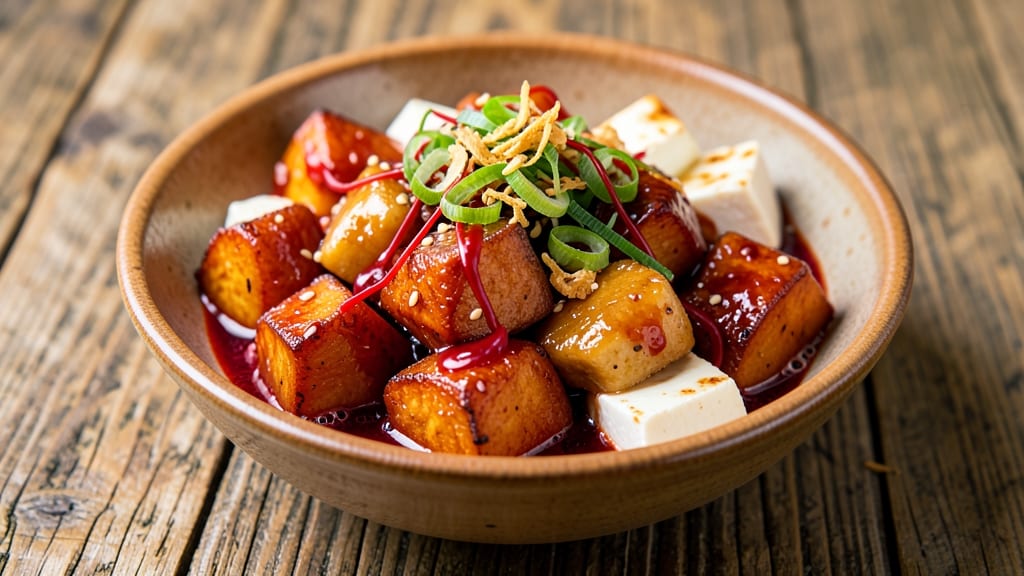
This sweet potato tteokbokki recipe transforms classic Korean rice cakes into a vibrant, vegetarian-friendly dish packed with natural sweetness and bold spice. The key? Roasting sweet potatoes until caramelized and folding them into chewy rice cakes simmered in a savory-sweet broth—no meat needed.
I developed this version after craving that perfect balance of heat and sweetness without compromising texture, and it delivers every time.
The process is simpler than you'd think: boil the rice cakes until tender, build a rich broth with gochujang, soy sauce, and a touch of sugar, then stir in the roasted sweet potatoes for depth. Top with soft-boiled eggs and green onions for that classic tteokbokki finish.
What you’ll end up with is a dish that’s spicy, sweet, and chewy—with the sweet potatoes adding a natural caramelized richness that cuts through the heat.
Perfect for weeknight dinners or meal prep, this recipe serves 4 in just 30 minutes and scales easily for crowds. The sweet potatoes hold their shape while absorbing the broth’s flavors, creating bites that are tender yet satisfying.
Serve with steamed rice to soak up every last drop of that addictive sauce.
For extra depth, roast the sweet potatoes until deeply caramelized, and adjust the spice level by reducing the gochugaru (Korean red pepper flakes). The result? A vegetarian tteokbokki that’s just as bold and comforting as the original—without the meat. Let’s get cooking!
Ingredients for sweet potato tteokbokki
Sweet, spicy, chewy—these ingredients deliver restaurant-quality tteokbokki in 30 minutes.
| Ingredient | Amount | Notes |
|---|---|---|
| Sweet Potatoes 🍠 | 1 ½ lb | Medium, peeled and cubed |
| Tteokbokki Rice Cakes 🍡 | 14 oz | Package (14 oz), chewy variety |
| Gochujang 🌶️ | ½ cup | Korean red pepper paste |
| Soy Sauce 🥄 | ¼ cup | Light or regular |
| Sugar 🍚 | ¼ cup | White or brown |
| Vegetable Broth 💧 | 1 ½ cups | Low-sodium preferred |
| Gochugaru 🌶️ | 1 tbsp | Korean red pepper flakes |
| Garlic Cloves 🧄 | 4 cloves | Minced for broth |
| Green Onions 🧅 | ¼ cup | Sliced, for garnish |
| Large Eggs 🥚 | 2 whole | Soft-boiled, halved |
| Sesame Oil 🫒 | 1 tbsp | For finishing |
| Olive Oil 🫒 | 1 tbsp | For roasting sweet potatoes |
| Salt 🧂 | ½ tsp | Sea salt preferred |
| Black Pepper 🌶️ | ¼ tsp | Freshly ground |
| Sesame Seeds 🌾 | 1 tsp | Toasted for garnish |
The sweet potatoes are the game-changers here. Orange-fleshed varieties like Jewel or Beauregard caramelize best—Costco or Trader Joe's usually have them pre-bagged. Peeled and cubed, they roast up tender and sweet, cutting through the heat of the gochujang. For the rice cakes, Korean markets or Asian grocery stores carry the best chewy varieties—look for packages labeled 'tteokbokki' or 'rice cakes'. If you can't find them, substitute mochi rice cakes (they're softer but work in a pinch). The gochujang? Maesilchun or Sinsegae brands are my go-to—they've got that perfect balance of spice and umami.
No gochujang? Mix 2 tbsp tomato paste + 1 tbsp sriracha + 1 tbsp soy sauce for a quick substitute. Short on green onions? Fresh cilantro or scallions work too, though green onions are traditional. The vegetable broth can be swapped for water in a bind, but add 1 tsp soy sauce to compensate. For extra richness, stir in 1 tbsp miso paste with the gochujang. The garlic can be roasted with the sweet potatoes (toss cloves in oil, roast at 400°F for 10 minutes) for a deeper flavor—trust me on this. If you're sensitive to heat, reduce the gochugaru to 1 tsp or skip it entirely.
Roasted sweet potatoes keep in the fridge for 3 days—stash them in an airtight container. The rice cakes stay fresh for 1 week unopened, but once cooked, they're best eaten immediately. This dish reheats beautifully—just add a splash of water to the pan and simmer for 2 minutes. For meal prep, portion the sauce separately and toss with rice cakes when ready to eat. The sauce also freezes well for 3 months—perfect for quick weeknight dinners.
Why You'll Love This Recipe
- The secret’s in the sauce: gochujang’s deep umami cuts through the sweetness of the potatoes while the soy sauce adds that salty depth. (Yes, even my kids—who usually hate spice—ask for seconds.)
- One-Pot Magic: I swear by this recipe when I’m too tired to wash dishes—just toss sweet potatoes, rice cakes, and the sauce into one pot, let it simmer, and boom. That gochujang-sweet caramelized mess? Minimal effort, maximum flavor.
- Sweet Heat Balance: The secret’s in the sauce: gochujang’s deep umami cuts through the sweetness of the potatoes while the soy sauce adds that salty depth. (Yes, even my kids—who usually hate spice—ask for seconds.)
- Meal Prep Hero: Make a big batch on Sunday, and you’ve got lunch for the week. The flavors actually improve as it sits, and reheating? Just a splash of water, stir, and it’s like it was just made.
Step-by-step instructions for sweet potato tteokbokki
Here's how to make this spicy-sweet twist on classic tteokbokki with tender sweet potatoes and chewy rice cakes.
Roast the Sweet Potatoes Until Caramelized
Preheat your oven to 400°F and line a baking sheet with parchment paper. Toss the 1.5 lb sweet potatoes (peeled and cut into 1-inch cubes) with 1 tablespoon olive oil, ½ teaspoon salt, and ¼ teaspoon black pepper. Spread them in a single layer on the baking sheet.
Roast for 20-25 minutes, stirring halfway through, until the edges are deep golden brown and the potatoes are tender when pierced with a fork. The sweet potatoes should smell caramelized and slightly nutty—this is your cue that they're ready. Remove them from the oven and set aside for now.
Prepare the Spicy-Sweet Broth
In a large pot, combine the 1.5 cups vegetable broth, ½ cup gochujang, ¼ cup soy sauce, ¼ cup sugar, and 1 tablespoon gochugaru. Bring to a boil over medium-high heat, then reduce to a simmer and let it cook for 5 minutes to meld the flavors.
Add the 4 minced garlic cloves and simmer for another 2 minutes until fragrant. Taste the broth—it should be sweet, spicy, and slightly salty. If it needs more heat, add a pinch more gochugaru; if it needs more sweetness, stir in a little more sugar. This broth is the soul of your dish, so balance is key.
Cook the Rice Cakes and Sweet Potatoes Together
Add the 14 oz tteokbokki rice cakes and the roasted sweet potatoes to the simmering broth. Stir gently to combine, then bring the mixture back to a gentle boil. Reduce the heat to medium-low and let it simmer for 8-10 minutes, stirring occasionally, until the rice cakes are plump and chewy and the sweet potatoes are fully tender.
Here's the thing—tteokbokki rice cakes should be soft but still hold their shape. If they start to break apart too quickly, lower the heat slightly to prevent overcooking. The broth should coat the rice cakes and sweet potatoes, creating a glossy, saucy texture. Taste and adjust seasoning if needed, adding a splash of water if the broth is too thick.
Add the Soft-Boiled Eggs
While the rice cakes and sweet potatoes are simmering, prepare the 2 large eggs for soft-boiling. Place them in a small pot of boiling water and cook for 6 minutes. Immediately transfer them to an ice bath to stop the cooking process, then peel and halve them lengthwise. Set them aside.
When the rice cakes are nearly done, gently fold the halved eggs into the pot. Simmer for just 1-2 minutes to warm them through—don't overcook, or they'll turn rubbery. The eggs should be warm but still runny inside, adding a creamy contrast to the spicy-sweet broth.
Finish and Serve with Garnishes
Remove the pot from heat and stir in 1 tablespoon sesame oil. This adds a nutty depth and helps the flavors come together. Divide the tteokbokki among bowls, garnishing each serving with 1 tablespoon sliced green onions and ½ teaspoon toasted sesame seeds.
Serve immediately with extra gochujang on the side for those who want more heat. The contrast of the warm, chewy rice cakes, tender sweet potatoes, and creamy eggs makes every bite irresistible. Pair with steamed rice if you're really hungry—this dish is hearty and satisfying!
Pro Tips For Making Sweet Potato Tteokbokki
- Boil Sweet Potatoes First: I used to toss raw sweet potatoes into the simmering sauce, thinking they’d soften faster—wrong. Boil them whole in salted water for 12-15 minutes until fork-tender, then cube them. This keeps them from turning mushy in the sauce and lets them soak up the gochujang flavor instead of releasing starch like raw chunks would.
- Toast Rice Cakes Separately: Skip the "toss them in raw" approach—those rice cakes will turn to glue. Pan-fry them in a dry skillet over medium-high heat for 2-3 minutes until golden and slightly crisp. Then add them to the sauce just before serving so they stay chewy, not soggy. (Yes, even if you’re impatient like me.)
- Balance Gochujang Heat: Gochujang varies wildly—some brands taste like fire, others like mild paste. Start with 1 tablespoon, taste, then adjust with sugar (1 tsp at a time) or a splash of soy sauce to mellow it. If the sauce tastes one-note, add a pinch of garlic powder or a dash of sesame oil for depth. (Trust me, you’ll regret skipping this step.)
- Simmer Low and Slow: After adding the sauce, reduce heat to a bare simmer and let it bubble gently for 10-15 minutes. Rushing it makes the sweet potatoes watery and the rice cakes bland. The longer the sauce reduces, the richer it gets—like a slow-cooked stew. (Your taste buds will notice the difference.)
Make-ahead tips for this sweet potato tteokbokki
Broth Prep Ahead
Make the spicy-sweet broth 2 days in advance and store it in an airtight container in the fridge. The flavors deepen as it sits, and you can reheat it directly on the stovetop for 3-5 minutes before adding the rice cakes.
For extra convenience, freeze the broth in 1-cup portions—thaw overnight in the fridge before using. 💫
Sweet Potato Shortcut
Save time by roasting the sweet potatoes a day ahead and storing them in the fridge. Reheat them in a 350°F oven for 10 minutes before adding to the broth.
Alternatively, use pre-cooked sweet potato cubes (from a can or jar) to skip roasting entirely—just drain and pat them dry before mixing in. This works especially well for meal prep.
Rice Cake Prep
Cook the rice cakes 1 day ahead and store them in the broth (without sweet potatoes or eggs) in the fridge. When ready to serve, reheat the mixture gently on the stove, then add fresh roasted sweet potatoes and eggs.
For extra chewiness, soak the rice cakes in warm water for 5 minutes before cooking if you're prepping ahead. 🍜
Egg Prep Strategy
Boil all your eggs at once and store them peeled and halved in the fridge for up to 3 days. When reheating the tteokbokki, simply add the eggs in the last 1-2 minutes of cooking to keep them creamy.
For meal prep, keep the eggs separate until serving to maintain their perfect texture.
Sauce Separation
If you're prepping for multiple meals, separate the sauce from the rice cakes and sweet potatoes. Store the sauce in a jar and keep the rice cakes/sweet potatoes in a separate airtight container.
When ready to eat, toss everything together and reheat for 2-3 minutes—the sauce will cling beautifully to the chewy rice cakes. 🥄
Freezer-Friendly Assembly
For longer storage, freeze the unassembled components separately: sauce in one container, rice cakes/sweet potatoes in another, and eggs in a third. Thaw overnight in the fridge, then assemble and reheat.
The sauce freezes best for 3 months, while the rice cakes hold up for 2 months—just add a splash of water when reheating to restore moisture. ❄️
Nutrition facts
Frequently asked questions
Can I use regular rice cakes instead of tteokbokki rice cakes?
You can try, but the texture won't be the same! Tteokbokki rice cakes are specifically made to be chewy and hold their shape in broth. If you must substitute, use mochi rice cakes (softer) or cylindrical rice cakes like those for onigiri. For best results, soak them in warm water for 5 minutes before cooking to help them absorb the broth better.
How do I adjust the spice level for kids or sensitive eaters?
Start by reducing the gochugaru to ½ teaspoon or omit it entirely. For extra sweetness, add 1 extra tablespoon of sugar to balance the heat. If you still want some spice, mix 1 teaspoon gochujang with 1 teaspoon honey for a milder but still flavorful version. Always taste the broth before adding the rice cakes!
Can I make this dish vegan?
Skip the eggs and use vegan broth instead of vegetable broth. For extra protein, stir in ½ cup silken tofu cubes during the last 2 minutes of cooking. Also, ensure your gochujang is vegan (some contain fish sauce). The sweet potatoes and rice cakes will still shine as the star ingredients!
Why did my rice cakes turn mushy instead of chewy?
This usually happens from overcooking or using the wrong type of rice cakes. Keep the heat at medium-low and simmer for 8-10 minutes max. If your rice cakes are too soft, try a firmer variety next time. Also, avoid stirring too vigorously—gentle folding keeps their shape. The broth should coat them, not boil aggressively.
What's the best way to reheat leftovers?
Reheat gently on the stove with 1-2 tablespoons of water to restore moisture. Simmer for 3-4 minutes until warmed through—don't let it boil, or the rice cakes will toughen. For extra richness, stir in ½ teaspoon sesame oil at the end. Microwaving isn't ideal as it can make the rice cakes rubbery.