
Side Dishes
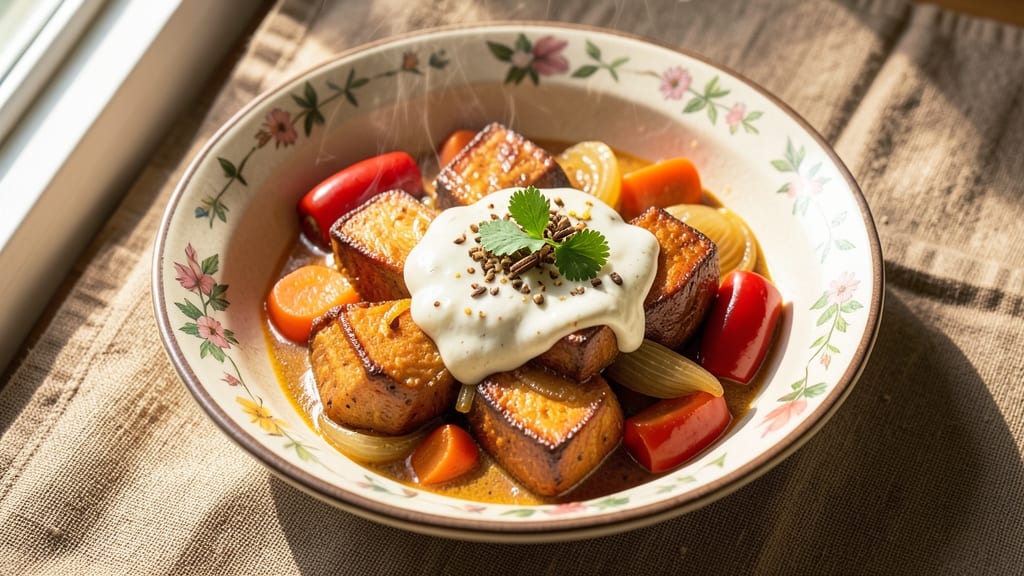
This sweet potato vegetable curry recipe transforms humble ingredients into a fragrant, spiced coconut masterpiece that tastes like a restaurant favorite. The secret lies in blooming whole spices—cumin, coriander, and cardamom—before adding sweet potatoes and seasonal vegetables for a balance of sweet, earthy, and aromatic flavors.
What starts as a simple one-pot simmer becomes a velvety, golden curry that's rich enough to stand alone or pair perfectly with rice.
The beauty of this recipe is its flexibility—use pre-cut vegetables to save time or fresh herbs for maximum brightness. I developed it to highlight sweet potatoes' natural sweetness while keeping the dish hearty and satisfying.
The coconut milk creates a luxurious texture, while a touch of ginger and garlic adds depth that elevates every bite. This curry proves vegetarian meals can be deeply flavorful without relying on heavy cream or complex techniques.
By the time you serve it, your kitchen will smell like a bustling Indian market, and your table will be adorned with a vibrant curry that's tender, aromatic, and perfectly balanced.
The sweet potatoes become caramelized at the edges while staying creamy inside, and the spices meld into a harmonious blend that's both comforting and exciting. Garnish with fresh cilantro and a squeeze of lemon for brightness that cuts through the richness.
Serve it alongside basmati rice for a complete meal, or offer warm naan to soak up every last drop of that fragrant coconut sauce. The best part? This curry tastes even better the next day, making it ideal for meal prep or feeding a crowd.
Let's create this comforting, flavorful dish that brings warmth to any table.
Ingredients for sweet potato vegetable curry
Pantry staples meet aromatic spices for this fragrant, one-pot vegetarian curry masterpiece.
| Ingredient | Amount | Notes |
|---|---|---|
| Sweet Potatoes 🍠 | 2 lbs | Medium-sized, peeled and cubed |
| Yellow Onion 🧅 | 1 whole | Diced, medium size |
| Garlic Cloves 🧄 | 6 cloves | Minced, fresh preferred |
| Fresh Ginger 🌿 | 2 tbsp | Grated, peeled |
| Carrots 🥕 | 3 medium | Peeled and sliced into rounds |
| Bell Peppers 🌶️ | 1 whole | Red or yellow, diced |
| Coconut Milk 🥥 | 1 can | Full-fat, 13.5 oz can |
| Vegetable Broth 💧 | 1 cup | Low-sodium preferred |
| Tomato Paste 🍅 | 2 tbsp | Smooth, no sugar added |
| Whole Cumin Seeds 🌶️ | 1 tbsp | Toasted for aroma |
| Ground Coriander 🌿 | 1 tsp | Freshly ground preferred |
| Cardamom Pods 🍃 | 4 whole | Lightly crushed |
| Turmeric Powder 🧂 | ½ tsp | Bright yellow color |
| Garam Masala 🌶️ | 1 tsp | Store-bought blend |
| Fresh Cilantro 🌿 | ¼ cup | Chopped, for garnish |
| Lemon Juice 🍋 | 1 tbsp | Freshly squeezed |
| Salt 🧂 | 1 tsp | Kosher or sea salt |
| Black Pepper 🌶️ | ½ tsp | Freshly ground |
The sweet potatoes are the star here—orange-fleshed varieties like Jewel or Beauregard work best. Trader Joe's and Whole Foods usually carry them pre-peeled for convenience, but grab whole if you want to peel them fresh (the skin adds fiber). For the spices, Penzeys Spices has the best whole spices, but any bulk bin at your grocery store works. Toast the cumin seeds in a dry pan for 30 seconds until fragrant—that aroma is non-negotiable. Cardamom pods? Buy them whole and crush lightly with the flat side of your knife. Fresh ginger and garlic make all the difference, but if you're in a pinch, use powdered ginger and jarred minced garlic (though it's not ideal).
No fresh cilantro? Fresh parsley works in a pinch, though it has a different flavor profile. Running low on coconut milk? Light coconut milk still works—just add an extra tablespoon of coconut cream to compensate. The tomato paste can be swapped for 1/4 cup crushed tomatoes if you prefer, but paste gives better depth. For the bell peppers, any color works—red, yellow, or even orange. If you're using pre-cut veggies, check for added salt in the packaging. The carrots can be baby carrots or regular—just slice them evenly so they cook at the same rate. The curry tastes even better with a splash of lime juice at the end, but lemon works too.
This curry reheats beautifully—just add a splash of water or broth if it thickens too much. Keeps for 5 days in the fridge and freezes for 3 months. I always double the batch because it's perfect for meal prep. Store it in airtight containers, and the flavors actually deepen overnight. When reheating, stir in a little extra water or broth to loosen it up. Garnish with fresh cilantro and a squeeze of lemon right before serving—that's where the magic happens. Serve with basmati rice or warm naan for the full experience.
Why You'll Love This Recipe
- One-Pot Magic: I swear by this recipe when I’m too tired to scrub pots—just toss everything into one pan, let the onions caramelize, and the sweet potatoes melt into that perfect tender spot. No chopping board chaos, no stuck-on bits, just pure, satisfying simplicity.
- Ginger-Garlic Punch: That fresh ginger and garlic combo? It’s the secret weapon here. The ginger adds a bright, zesty kick while the garlic deepens into a warm, aromatic backbone—especially after it simmers with the onions. Honestly, the aroma alone makes me stop and take a breath mid-cooking.
- Meal Prep MVP: This curry actually improves overnight. The flavors meld into something richer, and reheating it is a breeze—just a splash of water or coconut milk, and it’s back to creamy perfection. I make a double batch every Sunday because lunches for the week just got 10x easier.
- Budget-Friendly Flex: Sweet potatoes and carrots stretch this dish into a full meal without breaking the bank. Between us, I’ve fed four people for under $10 with this recipe, and the leftovers? Even better than the first serving. It’s the kind of dish that makes you feel like you’re treating yourself, even when you’re not.
Step-by-step instructions for sweet potato vegetable curry
Here's how to create a fragrant, one-pot curry that balances sweet and spicy perfectly.
Toast the Spices for Maximum Flavor
Heat a large pot or deep skillet over medium heat. Add the 1 tablespoon whole cumin seeds and toast for 30 seconds until they begin to sizzle and release their aroma. Immediately add the 4 whole cardamom pods and toast for another 15 seconds—you'll smell the warm, citrusy notes develop.
This quick toasting step unlocks the spices' full potential. Don't skip it—raw spices won't deliver the same depth of flavor. Once the spices are fragrant, add the 2 tbsp fresh ginger and 6 cloves garlic cloves. Cook for 1 minute until the garlic turns golden and fragrant. The ginger should soften slightly but not brown.
Sauté the Vegetables Until Tender
Add the 1 whole yellow onion, 3 medium carrots, and 1 whole bell peppers to the pot. Stir well to coat in the spice mixture and cook for 5-6 minutes over medium heat until the onions soften and the carrots begin to caramelize at the edges. You want the vegetables to release their moisture but still maintain some texture.
Next, add the 2 tbsp tomato paste and stir for 1 minute until it darkens slightly. This step builds the curry's rich, savory base. Pour in the 1 cup vegetable broth and scrape up any browned bits from the bottom of the pot—these contain concentrated flavor. Bring the mixture to a gentle simmer.
Add Sweet Potatoes and Simmer Until Tender
Add the 2 lbs sweet potatoes to the pot and stir gently to combine. The sweet potatoes should be submerged in the liquid. Reduce the heat to low and let the curry simmer uncovered for 20-25 minutes, stirring occasionally, until the sweet potatoes are fork-tender and the carrots are completely soft.
Here's the thing—you want the sweet potatoes to hold their shape but be easily pierced with a fork. If the curry seems too dry during simmering, add ¼ cup water at a time until the vegetables are just covered. The sweet potatoes should absorb the flavors beautifully while maintaining their natural sweetness.
Build the Creamy Coconut Milk Base
Open the 1 can coconut milk and pour half of it into the pot. Stir well to combine, then add the 0.5 tsp turmeric powder and 1 tsp garam masala. Simmer for 5 minutes to let the spices meld with the coconut milk. The curry should begin to thicken slightly as the coconut milk cooks down.
Add the remaining coconut milk and stir once more. The curry should now have a rich, velvety texture with a beautiful golden hue from the turmeric. Taste and adjust seasoning with 1 tsp salt and 0.5 tsp black pepper. You're aiming for a balance of sweet, spicy, and savory flavors that complement each other perfectly.
Finish with Fresh Herbs and Serve Warm
Remove the pot from heat and stir in the 1 tbsp lemon juice. This brightens the curry and cuts through the richness of the coconut milk. The lemon juice also enhances the natural sweetness of the sweet potatoes and balances the spices.
Finally, garnish with 0.25 cup chopped fresh cilantro. Let the curry rest for 5 minutes before serving—this allows the flavors to settle and the textures to meld. Serve warm with steamed basmati rice or warm naan bread. Each bite should deliver a harmonious blend of sweet potatoes, aromatic spices, and creamy coconut milk.
Pro Tips For Making Sweet Potato Vegetable Curry
- CHAR THE ONIONS LOW: Sweet potatoes and carrots need time to soften, so don’t rush the base. Cook onions over medium-low heat until they’re deep golden—almost caramelized—before adding garlic and ginger. This builds flavor without burning, and you’ll taste the difference when the veggies absorb it later.
- PEEL GINGER LIKE A PRO: Skip the grating—slice ginger into matchsticks first, then chop finely. This keeps the texture consistent and prevents bitter residue from the skin sneaking into your curry. (Yes, I’ve tasted it. No, you don’t want to.)
- CUT SWEET POTATOES UNIFORM: Big chunks = uneven cooking. Smaller, even pieces (about 1-inch cubes) ensure everything softens at the same time. If you’re lazy like me, throw them in whole and roast them first—just don’t skip the salt.
- STIR IN COCONUT MILK LAST: Adding it too early dilutes the spices and makes the curry watery. Wait until the onions are fragrant and the garlic’s cooked through, then pour in the milk and simmer gently. This keeps the sauce rich and the flavors balanced—no thin, sad curry here.
Dietary considerations for sweet potato vegetable curry
Vegetarian-Friendly Base
This curry is naturally vegetarian, relying on plant-based ingredients like sweet potatoes, coconut milk, and vegetable broth. The turmeric and garam masala add rich color and depth without any animal products.
For extra protein, stir in 1 cup cooked chickpeas or ½ cup lentils during the final 5 minutes of simmering. 🌱
Gluten-Free Adaptations
All ingredients in this recipe are inherently gluten-free, but always double-check labels on garam masala and vegetable broth for hidden gluten. I recommend Pacific Foods or Annie's for certified gluten-free broth.
The coconut milk and spices are safe, but store-bought garam masala blends sometimes contain wheat flour—opt for a spice blend labeled gluten-free if needed.
Nut-Free Considerations
While this recipe doesn't contain nuts, coconut milk is derived from coconuts.
For a completely nut-free version, use full-fat canned coconut milk labeled "nut-free" (like Goya or So Delicious brands) or substitute with cashew cream (blend 1 cup soaked cashews with ½ cup water) if nut allergies are a concern. Always verify labels, as cross-contamination can occur.
Dairy-Free & Vegan
This curry is already dairy-free and vegan, but you can enhance its richness by adding 1 tbsp vegan butter or 2 tbsp coconut oil when toasting the spices. For extra creaminess, stir in 2 tbsp tahini at the end—it adds a nutty depth that complements the coconut milk beautifully.
The lemon juice and fresh cilantro keep it bright and fresh while staying entirely plant-based. 🌿
Low-Sodium Options
To reduce sodium, use low-sodium vegetable broth and skip added salt until the final taste test. Fresh ingredients like garlic, ginger, and lemon juice provide plenty of flavor naturally. If you need extra umami, add 1 tsp nutritional yeast or ½ tsp white miso paste when simmering the coconut milk.
Always taste before seasoning—this curry shines when the flavors are balanced without excess salt.
Allergen-Friendly Swaps
For soy allergies, avoid soy-based vegetable broths—opt for mushroom-based broth instead. If you're avoiding citrus, replace the lemon juice with 1 tsp apple cider vinegar or ½ tsp white vinegar for acidity.
For egg-free needs, this recipe is already safe, but if making naan to serve on the side, use a flax egg substitute (1 tbsp ground flaxseed + 3 tbsp water = 1 egg).
Nutrition facts
Frequently asked questions
Can I substitute regular potatoes for sweet potatoes?
Regular potatoes will work, but they won't provide the same natural sweetness and vibrant color. For best results, stick with sweet potatoes—their texture and flavor make this curry truly special. If you must substitute, use Yukon Gold potatoes and add 1 tablespoon maple syrup to compensate for the lost sweetness.
How can I make this curry spicier?
Add ½ to 1 teaspoon of cayenne pepper when simmering the coconut milk, or stir in 1 tablespoon of hot sauce at the end. For a smoky kick, toast ½ teaspoon smoked paprika with the cumin seeds. Always taste first—you can adjust heat gradually!
What if I don't have fresh ginger or garlic?
Use 1 teaspoon ground ginger and 2 teaspoons minced jarred garlic, but fresh is always better. For extra flavor, add ½ teaspoon garlic powder and ½ teaspoon onion powder when sautéing the vegetables. The difference won't be as pronounced, but it'll still taste delicious.
Can I make this curry in an Instant Pot?
Yes! Sauté the spices, onions, and vegetables in Normal mode for 3 minutes, then add the sweet potatoes, broth, and half the coconut milk. Cook on High Pressure for 5 minutes, quick-release, and finish with the remaining coconut milk and spices. The texture will be slightly different but still flavorful!
Why did my curry turn out too thick?
Add ¼ to ½ cup warm water or broth and simmer for 5 minutes to loosen the sauce. If it's still too thick, stir in 1 tablespoon coconut milk to restore creaminess. The coconut milk thickens as it cooks, so adding extra at the end helps balance the texture.