
Desserts
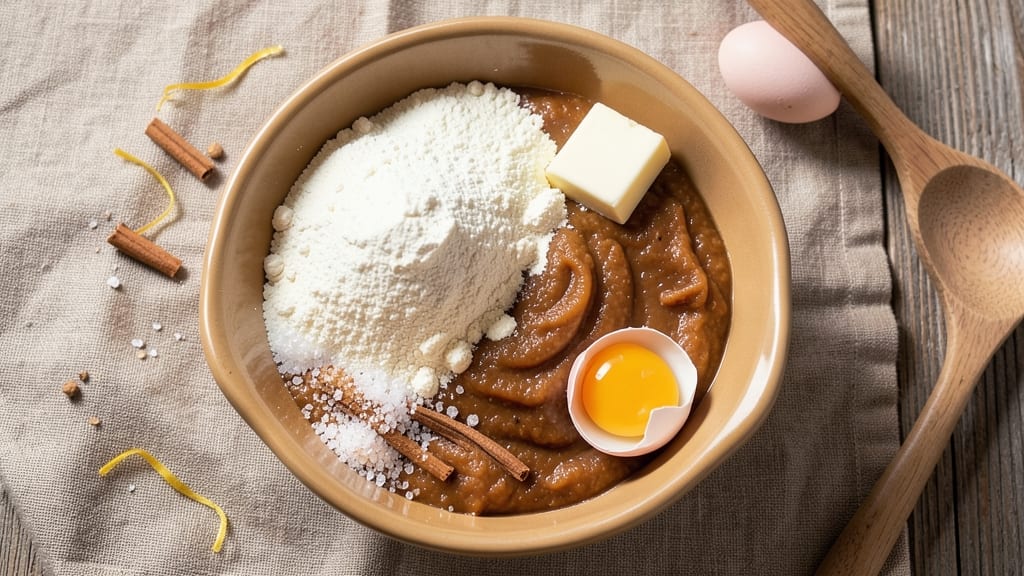
This sweet potato yellow cake mix recipe transforms humble pantry staples into a moist, spice-infused dessert that rivals bakery favorites.
The secret lies in blending sweet potato puree with classic yellow cake ingredients, creating a tender crumb with warm cinnamon and nutmeg notes that linger long after the first bite. I developed this recipe during a particularly chilly autumn when I wanted something comforting yet special—no boxed mix required.
What sets this cake apart is the harmony of textures: a delicate crumb that stays moist for days, thanks to the sweet potato's natural moisture, while the spices add depth without overpowering.
The recipe uses standard baking techniques—mixing, layering, and testing doneness—but the sweet potato puree elevates it to something extraordinary. Perfect for holidays, brunch gatherings, or a cozy weeknight treat.
Baking at 350°F for about 30-35 minutes ensures a golden top and even rise, while a simple glaze or cream cheese frosting adds the finishing touch. The cake's natural sweetness balances beautifully with citrus or caramel glazes, making it versatile enough for any occasion.
Every slice delivers that perfect mix of tenderness and spice.
Best of all, this recipe is adaptable—reduce sugar for a lighter version or add chocolate chips for extra indulgence. The instructions are straightforward, but the result feels like a labor of love. Let's bake this cake and bring warmth to your table.
Ingredients for sweet potato yellow cake mix
Pantry staples meet autumn warmth in this extraordinary sweet potato yellow cake mix.
| Ingredient | Amount | Notes |
|---|---|---|
| Sweet Potato Puree 🍠 | 1 cup | Canned or homemade, unsweetened |
| All-Purpose Flour 🌾 | 2 ½ cups | Sifted for light texture |
| Granulated Sugar 🍚 | 1 ½ cups | White or light brown |
| Unsalted Butter 🧈 | 1 cup | Room temperature, cubed |
| Large Eggs 🥚 | 2 whole | Room temperature for even mixing |
| Baking Powder 🧂 | 2 tsp | Double-acting preferred |
| Baking Soda 🧂 | ½ tsp | Pure, not baking powder |
| Salt 🧂 | ½ tsp | Diamond Crystal kosher |
| Ground Cinnamon 🌿 | 2 tsp | Freshly ground preferred |
| Ground Nutmeg 🌿 | 1 tsp | Freshly grated if possible |
| Vanilla Extract 🍯 | 1 tbsp | Pure, not imitation |
| Milk 🥛 | 1 cup | Whole or 2% for richness |
| Vegetable Oil 🫒 | ½ cup | Light or canola preferred |
The sweet potato puree is the heart of this recipe—canned works perfectly, but homemade adds depth. Look for brands like Libby's or Great Value for unsweetened options. The flour should be sifted for a light, airy crumb, and King Arthur or Gold Medal are my go-tos. For the spices, freshly ground cinnamon and nutmeg make all the difference—Penzeys or Spicewalla have the best blends. The butter? Plugrá or Land O'Lakes unsalted melt beautifully, but any good-quality brand will do. Room temperature is key—cold butter creates lumps that won't mix properly.
No sweet potato puree? Roast your own—simmer peeled sweet potatoes until tender, then blend until smooth. Substituting regular yellow cake mix? You'll lose the moisture and spice depth, but in a pinch, add 1 tsp cinnamon and 1 tsp nutmeg to 1 box. For a lighter texture, replace half the milk with Greek yogurt or sour cream. The vanilla extract can be swapped for vanilla bean paste if you're feeling fancy—just reduce to 1 tsp. And if you're watching sugar, coconut sugar or monk fruit sweetener works at a 1:1 ratio, though the texture may vary slightly.
This batter keeps in the fridge for up to 24 hours, so mix ahead for convenience. For best results, bake immediately after mixing. The cake stays moist for 3-4 days when wrapped tightly in plastic at room temperature, or freeze portions for up to 3 months. I always bake two 9-inch pans at once—they disappear faster than you'd think! Store leftovers in an airtight container with a slice of bread to absorb excess moisture, keeping every bite perfectly tender.
Why You'll Love This Recipe
- Sweet Potato Swap Magic: I swear by this trick—just blend roasted sweet potato into my cake batter, and suddenly it’s moist without being dense. No extra steps, no weird aftertaste, just that natural sweetness that cuts through the butter and sugar.
- No-Fuss Mix-In: Between us, I’ve burned enough cakes trying to get fancy. This one? Dump the dry ingredients, fold in the puree, and bake. The eggs and butter handle all the heavy lifting—no whisking until your arm gives out.
- Birthday or Breakfast: Honestly, I’ve served this at potlucks and as a quick breakfast cake with a drizzle of honey. The flour and sugar balance the sweet potato’s earthiness, so it works for celebrations or lazy mornings when I’m craving something sweet but not overly indulgent.
- Budget Moisture Boost: I buy sweet potatoes in bulk—they’re cheaper than boxed cake mix, and a single puree stretches across multiple batches. The butter and eggs make it feel special, but the cost stays low. (Yes, even on a Tuesday night.)
Step-by-step instructions for sweet potato yellow cake mix
Here's how to craft a lusciously moist cake with warm spice notes that'll have everyone asking for seconds.
Combine Dry Ingredients for Perfect Texture
In a large mixing bowl, whisk together the 2.5 cups all-purpose flour, 2 teaspoons baking powder, 0.5 teaspoon baking soda, 0.5 teaspoon salt, 2 teaspoons ground cinnamon, and 1 teaspoon ground nutmeg. Sifting the flour first prevents lumps and ensures an even distribution of leavening agents throughout the batter. The spices should be evenly dispersed—you'll notice their rich aroma intensifying as you mix.
Set this dry mixture aside while you prepare the wet ingredients. The separation keeps your mixing process organized and prevents overmixing, which can lead to a dense cake. I like to use a fine-mesh sieve for the flour to eliminate any potential clumps that could affect the cake's texture.
Cream Butter and Sugar for Light, Fluffy Structure
In a separate large bowl, beat the 1 cup unsalted butter and 1.5 cups granulated sugar together using an electric mixer on medium speed for 3-4 minutes. You're looking to create a light, fluffy mixture that's nearly doubled in volume and pale in color. This creaming process incorporates air into the batter, which creates those signature tender crumbs and helps the cake rise beautifully.
The butter should be at room temperature—press a finger into it and it should leave a slight indent but hold its shape. If it's too cold, the cake will be dense; if too soft, it may not emulsify properly with the other ingredients. This step is where the cake's structure begins to form, so don't rush it.
Incorporate Wet Ingredients for Moisture and Flavor
Add the 2 whole large eggs, one at a time, mixing well after each addition until fully combined. Then stir in the 1 tablespoon vanilla extract, 1 cup sweet potato puree, 1 cup milk, and 0.5 cup vegetable oil. Mix on low speed just until everything is incorporated—you should still see some flour streaks, which indicates proper mixing without developing gluten.
The sweet potato puree adds natural moisture and subtle sweetness while keeping the cake tender. I like to use unsweetened puree to maintain control over the sugar content. The milk and oil contribute to that signature moist crumb we're after, while the vanilla extract adds depth of flavor that complements the warm spices.
Combine Wet and Dry Ingredients Gently
With the mixer on low speed, gradually add the dry ingredients to the wet mixture, mixing just until combined. Be careful not to overmix—stop as soon as the batter comes together. Overmixing develops gluten in the flour, which can make the cake tough instead of tender. The batter should be thick but pourable, with a few small lumps remaining.
Here's the thing—this cake relies on proper mixing technique to achieve its signature moist texture. The sweet potato puree and oil create a dense batter that needs gentle handling. Once combined, let the batter rest for 10 minutes at room temperature. This brief rest allows the flour to fully hydrate and the ingredients to meld together, resulting in a more uniform cake.
Bake to Golden Perfection with Warm Spice Aroma
Preheat your oven to 350°F and grease two 9-inch round cake pans or line them with parchment paper. Divide the batter evenly between the pans. Bake for 25-30 minutes, or until a toothpick inserted into the center comes out clean and the top is golden brown. The cake should spring back slightly when pressed gently in the center.
I always check for doneness at the lower end of the time range—this cake can finish baking while cooling. The warm spices will fill your kitchen with an inviting aroma as it bakes. Let the cakes cool in the pans for 10 minutes, then transfer to a wire rack to cool completely before frosting. Patience here prevents a cracked top and ensures clean slices.
Pro Tips For Making Sweet Potato Yellow Cake Mix
- STRAIN THE PUREE: I learned this the hard way—skipping it means gummy cake. After boiling sweet potatoes, drain and mash them thoroughly, then press through a fine-mesh sieve to remove all fiber. The smoother the puree, the lighter the texture. (Yes, it’s tedious, but your cake will thank you.)
- CREAM BUTTER AND SUGAR: Don’t just toss them in. For this cake, beat the butter and sugar until it’s pale, fluffy, and ribbon-like—about 3-5 minutes with a mixer. The extra air incorporates better with the sweet potato’s natural moisture, preventing a dense crumb. (I know, I know, but trust the process.)
- WEIGH YOUR FLOUR: Scooping flour from the bag packs it down, adding extra moisture to this already wet batter. Use a kitchen scale for precision—1 cup of all-purpose flour should weigh 120 grams. The right ratio keeps the cake tender, not gluey. (Your future self will thank you for this tiny effort.)
- BAKE UNTIL SPRINGY: The cake’s done when the center bounces back slowly when pressed, not immediately. Overbaking dries out the sweet potato flavor. If it pulls away from the pan edges but still jiggles slightly, it’s perfect. (Pull it out too soon, and you’ll regret it.)
Dietary considerations for sweet potato yellow cake mix
Gluten-Free Adaptations
For a gluten-free version, replace the 2.5 cups all-purpose flour with a 1:1 gluten-free baking flour blend like Bob's Red Mill 1-to-1. Add ½ teaspoon xanthan gum to help bind the cake.
The sweet potato puree and oil keep the texture moist, but you may need to increase the baking time by 5-7 minutes—check with a toothpick at 30 minutes. 🌾
Dairy-Free Options
Swap the 1 cup milk and 1 cup butter for dairy-free alternatives: use 1 cup unsweetened almond milk and 1 cup dairy-free butter like Miyoko's. For richness, add 2 tablespoons coconut oil to the wet ingredients.
The cake will stay moist, though the flavor may be slightly less pronounced. Always use room-temperature dairy substitutes for even mixing.
Lower Sugar Version
Reduce the 1.5 cups granulated sugar to 1 cup and replace the remaining ½ cup with unsweetened applesauce or mashed banana. The sweet potato puree adds natural sweetness, so you won’t lose much flavor.
For extra moisture, increase the vegetable oil to ⅔ cup. This version works well with a tangy cream cheese frosting to balance the sweetness.
Vegan-Friendly Swaps
To make this cake vegan, replace the 2 eggs with 2 tablespoons ground flaxseed mixed with 6 tablespoons water (let it sit for 5 minutes to thicken). Use vegan butter like Earth Balance and unsweetened flax milk instead of dairy milk.
The sweet potato puree and oil keep the texture rich, but vegan cakes often need 2-3 extra minutes in the oven. 🌱
Nut-Free Considerations
This recipe is naturally nut-free, but always double-check your ingredients. The vegetable oil and sweet potato puree are safe for nut allergies, while the vanilla extract should be nut-free (check labels). For extra caution, use a dedicated nut-free kitchen or clean all surfaces thoroughly before baking.
The cake’s moist texture comes from the sweet potato and oil, not nuts, so no substitutions are needed.
Allergen-Friendly Tips
For egg-free baking, use the flaxseed egg substitute mentioned above. If you’re avoiding dairy, coconut-based products work best for butter and milk. Always store ingredients in sealed containers to prevent cross-contamination. I keep separate utensils and bowls for allergen-friendly baking—it’s worth the extra effort for peace of mind.
The cake’s warm spices and moist crumb make it a crowd-pleaser, regardless of dietary needs. ✨
Nutrition facts
Frequently asked questions
Can I substitute pumpkin puree for sweet potato?
Use a 1:1 ratio of pumpkin puree to sweet potato puree, but reduce the sugar by 1-2 tablespoons since pumpkin is naturally sweeter. The texture remains moist, but the flavor will have more pumpkin-spice notes. For a hybrid flavor, blend ½ cup sweet potato and ½ cup pumpkin puree.
Why does my cake turn out dense instead of moist?
Overmixing the batter develops gluten, making the cake tough. Mix just until combined—stop when you see small flour streaks. Also, ensure your butter is room temperature and don't skip the 10-minute rest before baking. Using too much flour or insufficient leavening agents can also cause density.
How do I make this cake extra moist?
Add 2-3 tablespoons of sour cream or Greek yogurt to the wet ingredients for richness. For even more moisture, brush warm cake layers with simple syrup (equal parts sugar and water, heated until dissolved) before frosting. Wrapping baked layers in plastic wrap while cooling also helps retain moisture.
Can I bake this in a bundt pan instead of round pans?
Yes! Reduce the baking time by 5-7 minutes (check at 25 minutes) since bundt pans conduct heat differently. The cake will have beautiful ridges, and the spice flavors will be especially pronounced. Grease the pan thoroughly with butter and flour to prevent sticking—this cake's moisture makes it prone to clinging to pans.
What's the best frosting for this cake?
A cream cheese frosting complements the warm spices perfectly, while a citrus glaze> (powdered sugar + lemon juice) brightens the flavors. For a lighter option, try whipped cream with a dusting of cinnamon. Avoid overly sweet frostings—the cake's natural sweetness from the sweet potato shines through best with balanced pairings.