
Side Dishes
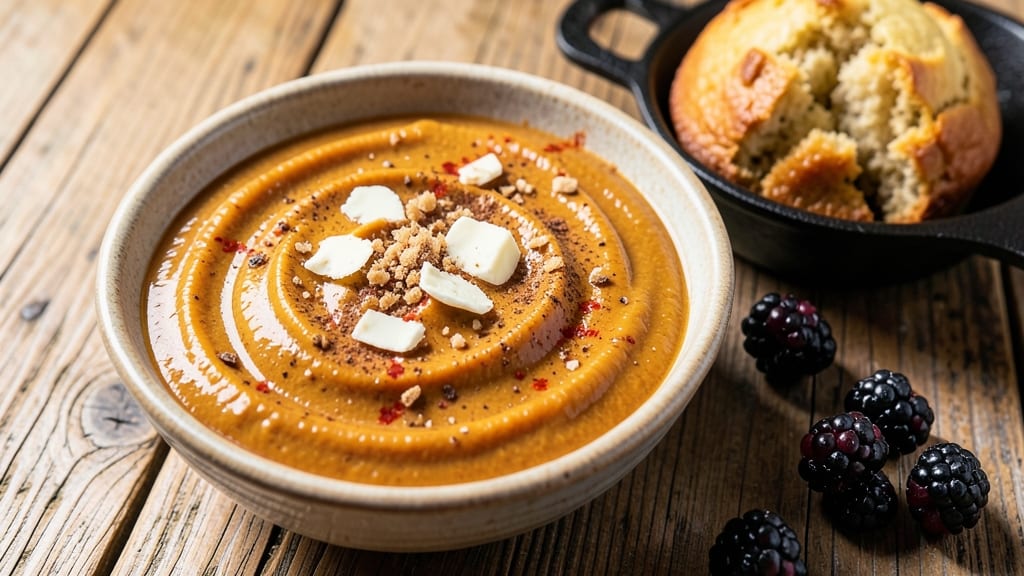
This Texas Roadhouse sweet potato butter recipe transforms humble sweet potatoes into a velvety, aromatic spread that elevates everything from steak to toast. 🌟 The secret lies in slow-roasting the potatoes until caramelized and tender, then blending them with butter, brown sugar, and warm spices until silky smooth.
I developed this version after years of experimenting with restaurant-style sweet potato dishes—this is the one that finally delivers that perfect balance of sweetness and depth.
The beauty of this recipe is its versatility. You can use it as a dipping sauce for wings or fries, a flavorful butter for grilled meats, or even a spread for sandwiches and toast.
The roasting process brings out natural sweetness while developing rich, nutty undertones, and the spices—cinnamon, nutmeg, and a touch of cayenne—add layers of warmth without overpowering. It’s the kind of condiment that turns simple meals into something special.
What makes this recipe stand out is how foolproof it is. With just 7 ingredients and 30 minutes of active time (plus roasting), you’ll have a batch ready to use immediately or store for up to 2 weeks in the fridge.
The texture is velvety yet sturdy enough to hold its shape when spread, and the flavor only deepens as it sits. It’s restaurant-quality at home, without the fuss.
Serve it warm alongside grilled steaks, drizzle it over roasted vegetables, or spread it on fresh bread for a cozy snack. The possibilities are endless, and the process is simple enough for any home cook. Let’s get started—your taste buds (and dinner guests) will thank you.
Ingredients for texas roadhouse sweet potato butter
Seven simple ingredients that transform into Texas Roadhouse-worthy sweet potato butter.
| Ingredient | Amount | Notes |
|---|---|---|
| Large Sweet Potatoes 🍠 | 2 whole | Organic preferred, skin-on for roasting |
| Unsalted Butter 🧈 | ½ cup | Cold, cubed for even melting |
| Light Brown Sugar 🍚 | ½ cup | Packed, for caramel depth |
| Ground Cinnamon 🌿 | 2 tsp | Freshly ground for aroma |
| Ground Nutmeg 🌿 | ½ tsp | Freshly grated preferred |
| Cayenne Pepper 🌶️ | ¼ tsp | Adjust for heat preference |
| Pure Vanilla Extract 🌸 | 1 tsp | High-quality for depth |
The sweet potatoes are the foundation—look for firm, vibrant orange ones with no soft spots. Trader Joe's or Whole Foods usually carry the best organic varieties, but any sweet potato works. Roasting brings out their natural sweetness, so don’t skip this step. The butter should be cold and cubed when you add it later—this ensures a velvety texture. For the spices, Penzeys or bulk bins at natural markets have the freshest ground cinnamon and nutmeg. A little goes a long way, so measure carefully.
No brown sugar? White sugar plus 1 tsp molasses works in a pinch. Short on vanilla? Vanilla bean paste adds depth, or even maple syrup at half the amount (though it’ll be slightly thinner). The cayenne is optional—skip it if you prefer mild flavor. For extra richness, add 1 tbsp heavy cream to the blend. The butter should be cold when added to prevent melting during roasting, so keep it in the freezer until ready to use.
This butter keeps beautifully—up to 2 weeks in the fridge in an airtight container. For longer storage, freeze in 2-tbsp portions for easy use. The flavor actually improves after a day or two as the spices meld. Spread it warm on toast, drizzle it over roasted veggies, or serve it as a dip for wings. It’s that versatile—and restaurant-worthy.
Why You'll Love This Recipe
- Five-Ingredient Magic: That’s it—just sweet potatoes, butter, brown sugar, cinnamon, and nutmeg. No fancy prep, no hidden pantry items, just pure, cozy flavor that feels like a hug in spread form. Honestly, I’ve made it while scrolling through my phone; it’s that simple.
- Butter-Sweet Perfection: The moment that rich brown sugar melts into the warm, roasted sweet potatoes with cold butter? Chef’s kiss. It’s sweet but not cloying, spiced just enough to make you want to slather it on everything—bread, apples, even straight from the spoon.
- Game for Any Occasion: Breakfast? Slather it on toast with a sprinkle of pecans. Holiday side? Pair it with roasted chicken. (Yes, even on a Tuesday night.) It’s the kind of thing that works when you’re feeding a crowd or just craving something special—no rules, just satisfaction.
- Leftovers That Last: This stuff keeps for days in the fridge, and honestly? It gets better as the flavors meld. I’ve sent jars to work with me for lunches, and no one’s ever questioned why I’m grinning while eating it. Budget-friendly, too—you’re basically turning pantry staples into gold.
Step-by-step instructions for Texas Roadhouse sweet potato butter
Here's how to transform humble sweet potatoes into that dreamy, velvety spread—just like the Texas Roadhouse version.
🔥 Step 1: Roast the Sweet Potatoes Until Fork-Tender
Preheat your oven to 400°F and line a baking sheet with parchment paper. Pierce the 2 whole Large Sweet Potatoes with a fork about 6 times each to prevent bursting. Place them directly on the baking sheet, skin-side up, and roast for 45-50 minutes until a knife slides in easily and the flesh is soft.
Here's the thing—don't skip the piercing. I've learned the hard way that whole sweet potatoes can explode in the oven when they're roasted whole. The skin should be slightly crispy but still intact, and the inside should be completely tender with no resistance when you press with your finger.
👨🍳 Step 2: Scoop Out the Flesh and Let It Cool
Once the sweet potatoes are done, let them cool for 5 minutes until they're cool enough to handle. Using a spoon, scoop out all the flesh from each potato, discarding the skins. You should have about 1½ cups of cooked sweet potato—this is your base flavor.
Don't rush this cooling step. Hot sweet potatoes will make your butter watery. I like to spread them out on the baking sheet for even cooling. The flesh should be cool to the touch before you proceed—this ensures a smooth, lump-free texture in your final spread.
🍳 Step 3: Mash the Sweet Potatoes Thoroughly
Transfer the cooled sweet potato flesh to a food processor or high-powered blender. Add the 0.5 cup Unsalted Butter (cold, cubed), 0.5 cup Light Brown Sugar (packed), 2 tsp Ground Cinnamon, 0.5 tsp Ground Nutmeg, and 0.25 tsp Cayenne Pepper. Pulse or blend until completely smooth, scraping down the sides as needed.
This is where the magic happens. You want a completely homogeneous mixture with no visible texture. If it looks too thick, add 1-2 tablespoons of water at a time until it reaches a smooth, spreadable consistency. The blend should be thick but still pourable—like a thick, velvety paste.
🥘 Step 4: Cook Until Thick and Silky
Transfer the mixture to a medium saucepan and cook over medium-low heat, stirring constantly with a silicone spatula, for 10-12 minutes. You're looking for the mixture to thicken and coat the back of the spoon. This step develops the depth of flavor and creates that signature silky texture.
Watch carefully—don't let it burn. If it starts to stick, add another 1-2 tablespoons of water to loosen it. You'll know it's ready when it pulls away from the sides of the pan and forms a thick, glossy coating on your spatula. The aroma should be rich and spicy-sweet, with those warm cinnamon and nutmeg notes really coming through.
⏰ Step 5: Finish with Vanilla and Let It Set
Remove the pan from heat and stir in the 1 tsp Pure Vanilla Extract. Let the mixture cool for 5 minutes while you stir occasionally—this helps distribute the vanilla evenly. Transfer to a clean jar or airtight container and refrigerate for at least 2 hours (or up to 1 week) to allow flavors to meld.
This resting period is crucial. The flavors will deepen and the texture will become even more velvety. When you're ready to use it, give it a good stir—it should be smooth, spreadable, and packed with those warm, comforting spices. The perfect amount of cayenne gives it just a hint of kick without overpowering the sweetness.
Pro Tips For Making Texas Roadhouse Sweet Potato Butter
- ROAST POTATOES UNTIL SOFT: I learned this the hard way—undercooked sweet potatoes turn to mush when you mash them. Aim for a fork-tender center (about 45-55 minutes at 400°F), then let them rest 10 minutes before peeling. Cold potatoes mash cleaner and avoid gummy texture.
- PEEL WHEN COLD: Hot sweet potatoes cling like glue to your knife. Wait until they’ve cooled slightly after roasting, then slip off the skins under running water—no peeling required. This also removes excess starch that can make your butter watery.
- MEASURE BROWN SUGAR FRESH: Packed vs. scooped brown sugar makes a real difference. Use a spoon to lightly fluff the sugar in the container, then scoop and level it. Too much sugar? Your butter will taste cloying. Too little? The sweetness fades fast.
- MASH WITH DRY SPICES: Add cinnamon and nutmeg to the warm potato mash before mixing in the butter. This lets the spices bloom into the starch, giving your butter deeper flavor. Skip this, and you’re just coating butter with powder—boring.
Common mistakes when making perfect results
Over-Roasting Sweet Potatoes
Roasting sweet potatoes until they're mushy or burnt is a common mistake that ruins the texture of your butter. The goal is fork-tender with slightly crispy skin—not falling-apart tender. I've seen people roast them at 425°F for too long, which turns them dry and grainy.
Stick to 400°F for 45-50 minutes and check with a knife. If it slides in easily but still holds its shape slightly, you're golden. 🍠
Skipping the Cooling Step
Adding hot sweet potatoes directly to your food processor creates a watery, soupy mess that won't blend properly. The starches release when hot, making your butter thin and unspreadable. Always let them cool for 5 minutes before processing.
I've had to start over twice because I rushed this step—don't make that mistake! The flesh should be cool to the touch before blending.
Using Warm Butter
Adding softened or melted butter instead of cold cubes creates a greasy, separated texture in your final spread. Cold butter emulsifies better with the sweet potatoes, creating that signature velvety consistency.
Keep your butter in the freezer until ready to use, then cube it right before adding to the processor. This ensures a smooth, cohesive blend without separation. 🧈
Overblending or Underblending
If you don't blend long enough, you'll end up with a chunky, grainy texture that feels nothing like restaurant-quality butter. But overblending can turn it into a paste that's too thick to spread.
Aim for completely smooth with no visible texture—about 2-3 minutes in a high-powered blender. If it's too thick, add 1 tbsp water at a time until it reaches a spreadable consistency.
Burning During Cooking
Stirring too aggressively or cooking on high heat can cause your sweet potato butter to burn at the bottom of the pan. This creates bitter, charred flavors that ruin the delicate balance of sweet and spice.
Cook on medium-low heat and stir constantly with a silicone spatula. If it starts to stick, add 1-2 tbsp water to loosen it. The mixture should thicken gradually without any brown spots. 🔥
Not Resting Before Serving
Skipping the 2-hour refrigeration means you'll miss out on the flavor development that makes this butter truly special. The spices need time to meld, and the texture becomes even more velvety as it chills.
I've served it immediately after cooking, and while it's edible, it lacks that restaurant-quality depth. Be patient—your taste buds will thank you for the wait. The flavors actually improve overnight!
Nutrition facts
Frequently asked questions
Can I make this sweet potato butter without a food processor?
Yes! If you don’t have a food processor, you can mash the cooked sweet potatoes with a potato masher or fork until completely smooth. Then, transfer the mixture to a blender for just 30 seconds to fully emulsify with the butter and spices. For an even smoother texture, use a hand mixer to whip the butter into the mashed potatoes before blending. The key is patience—keep blending until completely lump-free.
How can I adjust the sweetness or spice level?
For less sweetness, reduce the brown sugar to ¼ cup and add 1 extra tablespoon of vanilla extract for depth. For more heat, increase the cayenne to ½ teaspoon, or add a pinch of smoked paprika for complexity. If you prefer a milder spice blend, skip the cayenne entirely and add ¼ teaspoon of ground ginger instead. Taste as you go!
What’s the best way to reheat leftover sweet potato butter?
Reheat gently in a small saucepan over low heat, stirring constantly until just warm (about 2-3 minutes). Never microwave—it can make the butter grainy. For quick use, spread a thin layer on toast and warm in a 350°F oven for 3-5 minutes to revive its velvety texture. Store leftovers in the fridge for up to 2 weeks or freeze in 2-tbsp portions for up to 3 months.
Can I use regular potatoes instead of sweet potatoes?
No, sweet potatoes are essential—they provide the natural sweetness and creamy texture that regular potatoes lack. However, you can experiment with yams (which are a type of sweet potato) for a slightly nuttier flavor. If you’re set on white potatoes, this recipe won’t work as the starch content and flavor profile are completely different. Stick to sweet potatoes for that restaurant-quality result!
How can I use this butter beyond dipping or spreading?
This versatile spread works as a glaze for grilled meats (like pork chops or chicken), a swirl in oatmeal or yogurt, or even a filling for crepes. Mix it into mashed potatoes for extra richness, or drizzle it over roasted Brussels sprouts for a sweet-savory contrast. For a dessert twist, spread it on pound cake or swirl it into vanilla ice cream. The possibilities are endless!