
Desserts
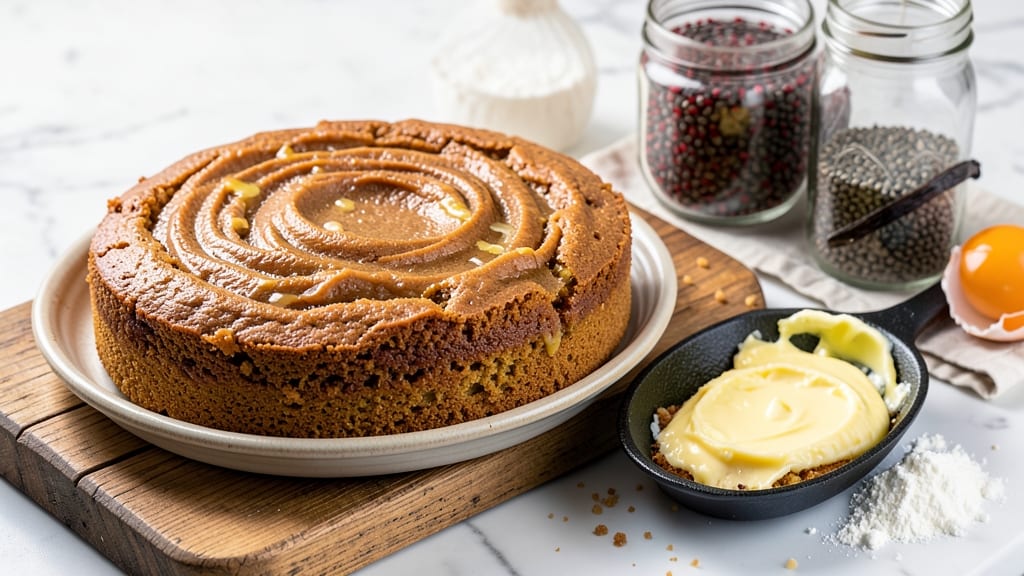
This tous les jours sweet potato cake delivers moist layers and warm spice harmony that feels like a hug in every bite. 💛 The secret lies in blending sweet potato purée with rich butter and brown sugar, creating a tender crumb that stays fresh for days.
I developed this recipe to bridge the gap between everyday baking and restaurant-quality desserts—simple enough for weeknights but impressive enough for guests.
The cake’s magic comes from its three-stage baking process: a quick preheat to lock in moisture, followed by a slow rise that develops deep caramel notes. Warm spices like cinnamon and nutmeg infuse every layer, while a touch of vanilla brightens the sweet potato’s natural earthiness.
This isn’t your typical dense sweet potato bread—it’s a light, fluffy cake with a velvety texture that melts in your mouth.
Perfect for breakfast, afternoon snacks, or dessert, this cake pairs beautifully with whipped cream or a drizzle of honey. The recipe scales effortlessly, so you can bake a single layer for two or triple it for a crowd.
Whether you’re craving something comforting or need a showstopper for brunch, this foolproof method ensures restaurant-quality results every time.
No fancy equipment required—just a standard oven and mixing bowls. The sweet potato purée adds natural sweetness while keeping the cake moist without added sugar, making it a healthier twist on classic desserts. Let’s get baking!
Ingredients for tous les jours sweet potato cake
Rich sweet potato purée and warm spices blend to create this velvety, restaurant-quality cake.
| Ingredient | Amount | Notes |
|---|---|---|
| Sweet Potato Purée 🍠 | 1 ½ cups | Homemade or canned, unsweetened |
| Unsalted Butter 🧈 | 1 cup | Softened to room temperature |
| Light Brown Sugar 🍚 | 1 ½ cups | Packed firmly for accuracy |
| Large Eggs 🥚 | 2 whole | Room temperature for even mixing |
| All-Purpose Flour 🌾 | 2 cups | Sifted for light texture |
| Pure Vanilla Extract 🍯 | 2 tsp | Bourbon or imitation-free preferred |
| Ground Cinnamon 🌿 | 2 tsp | Freshly ground for warmth |
| Ground Nutmeg 🌿 | ½ tsp | Freshly grated for depth |
| Baking Powder 🧂 | 2 tsp | Aluminum-free for best rise |
| Salt 🧂 | ½ tsp | Fine sea salt preferred |
| Milk 🥛 | ½ cup | Whole milk for richness |
| Vegetable Oil 🫒 | ¼ cup | Light, neutral flavor |
The sweet potato purée is non-negotiable here—homemade is ideal, but high-quality canned works too (look for brands like Libby's or Sweet Potato Soufflé in the baking aisle). For the butter, Plugrá or Land O'Lakes are reliable, but European-style unsalted (like Kerrygold) adds extra richness. The brown sugar should be packed firmly—Domino or C&H are my go-tos, but any light brown works. Freshly ground spices make all the difference: Penzeys or bulk bins at Whole Foods are worth the splurge for nutmeg and cinnamon.
No vanilla extract? Vanilla bean paste works perfectly, or scrape seeds from a pod. Swap whole milk for almond milk if needed, but the cake will be slightly denser. For a lighter texture, King Arthur flour is ideal—it has a higher protein content for better structure. The baking powder should be fresh: if it's older than 6 months, test it by mixing with water—it should bubble vigorously. Need a sugar substitute? Coconut sugar at a 1:1 ratio keeps the caramel notes while reducing glycemic impact.
Store wrapped tightly at room temp for 3 days or refrigerate for 1 week—the flavors deepen overnight. Freeze slices for 3 months by wrapping individually in plastic. For serving, a dusting of powdered sugar or a drizzle of honey elevates it instantly. The cake reheats beautifully: 30 seconds at 350°F restores its softness. Double the batch and freeze half—perfect for brunch guests who'll never guess it's a weeknight recipe.
Why You'll Love This Recipe
- Here’s what sold me: the cake stays soft for days, but I don’t have to fuss with extra oils or complicated mixing. The purée keeps it ultra-moist, and the eggs bind it just right—no dense, dry crumb here. Even my picky husband grabs seconds.
- I’ll be real: sweet potatoes are cheap, and this recipe stretches further than store-bought. A single batch feeds my family for days, and the leftovers? I freeze them in slices. No waste, no guilt, just pure satisfaction—especially when I’m stretching a grocery budget.
Step-by-step instructions for tous les jours sweet potato cake
Here's how to create layers of moist perfection with warm spices that'll make this cake a daily favorite.
👨🍳 Step 1: Prepare Your Sweet Potato Base
First, let the 1.5 cups sweet potato purée sit at room temperature for 15 minutes before using. This prevents cold spots in your batter that could make the cake dense. While it warms, preheat your oven to 350°F and grease two 8-inch round cake pans with vegetable oil or line them with parchment circles.
In a large mixing bowl, combine the warm purée with the 1 cup softened unsalted butter and 1.5 cups light brown sugar. Whisk vigorously for 2-3 minutes until the mixture becomes light and fluffy—you're incorporating air here, which helps create that signature tender crumb. I like to use a hand mixer for this step; it's faster and more effective than whisking by hand.
👨🍳 Step 2: Add Eggs and Wet Ingredients
Add the 2 whole large eggs one at a time, mixing well after each addition. Then stir in the 2 tsp pure vanilla extract, 0.5 cup milk, and 0.25 cup vegetable oil. The batter should be smooth and slightly thick—almost like a rich pudding. If it looks too thin, don't worry; the dry ingredients will thicken it up.
Here's the thing—room temperature eggs blend more smoothly and create a lighter texture. If your eggs are straight from the fridge, let them sit in warm water for 5 minutes first. This small step makes a noticeable difference in the final cake's tenderness.
🥘 Step 3: Combine Dry Ingredients for Perfect Texture
In a separate bowl, sift together the 2 cups all-purpose flour, 2 tsp baking powder, 2 tsp ground cinnamon, 0.5 tsp ground nutmeg, and 0.5 tsp salt. Sifting prevents lumps and ensures even distribution of the spices. Gently fold these dry ingredients into your wet mixture using a spatula, mixing just until combined—overmixing develops gluten and makes the cake tough.
For the best results, I fold in about ⅓ of the dry ingredients, mix gently, then repeat with the remaining ⅔. This technique creates a lighter, more airy texture. The spices should be evenly distributed but still visible as subtle flecks throughout the batter—this ensures every bite has that warm, comforting flavor.
🔥 Step 4: Bake to Golden Perfection
Divide the batter evenly between your prepared pans. Tap each pan gently on the counter to remove any air bubbles. Bake for 25-30 minutes until a toothpick inserted in the center comes out clean and the tops are golden brown. The cake should spring back slightly when pressed gently in the center.
Don't overbake—this is where many cakes go wrong. The moment the toothpick test passes is the perfect time to remove them from the oven. If you bake them too long, they'll dry out and lose that moist texture we're after. Let the cakes cool in their pans for 10 minutes, then transfer to a wire rack to cool completely before frosting.
Pro Tips For Making Tous Les Jours Sweet Potato Cake
- DON’T OVERMIX THE BATTER: I learned this the hard way—when the batter looks like pancake batter, you’ve gone too far. Sweet potato purée is thick, so fold in the flour gently until just combined. A few lumps are fine; overworking it makes the cake dense and tough. (Yes, even if you’re impatient like me.)
- USE ROOM-TEMP BUTTER: Cold butter from the fridge creates pockets of steam, leading to a cake that collapses in the middle. Let the butter sit out for 30-45 minutes before creaming—it’ll be soft but not melted. This ensures a light, even crumb instead of a brick.
- WEIGH THE FLOUR: Scooping flour from the bag packs it too tightly, adding extra moisture and making the cake gummy. Use a kitchen scale for precision—1 cup of all-purpose flour is about 125g. No, your measuring cups aren’t foolproof here.
- BAKE UNTIL THE CENTER HITS 205°F: Sweet potato cakes can look done on the outside but stay undercooked inside. Insert a thermometer into the center—it should read 205°F (210°F if you prefer a slightly firmer texture). Relying on visual cues alone is how you end up with a gooey middle.
Pro cooking tips for great tous les jours sweet potato cake
Sweet Potato Purée Prep
Your sweet potato purée is the star of this cake, so take the time to get it right. For homemade purée, roast 2 medium sweet potatoes (about 1.5 lbs total) at 400°F for 45 minutes until tender, then blend with 2 tbsp milk until smooth.
If using canned purée, choose brands like Libby's or Sweet Potato Soufflé—they're unsweetened and perfect for baking. 🍠
Butter and Sugar Whipping
Don’t rush the butter and sugar stage—this is where you build that signature fluffy texture. Use a hand mixer on medium-high speed for 2-3 minutes until the mixture is pale and triples in volume. I like to scrape the bowl with a spatula every 30 seconds to ensure even incorporation.
For extra richness, replace ¼ cup of the butter with ¼ cup melted coconut oil—it adds moisture without altering the flavor.
Egg Temperature Matters
Room temperature eggs blend seamlessly and create a lighter cake. If your eggs are straight from the fridge, place them in a bowl of warm water for 5 minutes before cracking. Add them one at a time to the butter mixture, mixing just until combined after each addition.
This gradual approach prevents curdling and ensures a silky-smooth batter. Overmixing here can introduce air bubbles that lead to a dense cake.
Dry Ingredient Technique
Sift your dry ingredients through a fine-mesh sieve to prevent lumps and ensure even distribution of the spices. When folding them into the wet mixture, use a spatula in a gentle "J" motion to combine—just until no dry streaks remain.
Overmixing develops gluten, which makes the cake tough. For a lighter texture, fold in ⅓ of the dry ingredients, mix gently, then repeat with the remaining ⅔. This layering technique keeps the cake tender.
Baking Time Precision
Bake the cake until a toothpick inserted in the center comes out clean, but don’t wait for it to pull away completely—this is where many cakes dry out. For an 8-inch pan, 25-30 minutes at 350°F is ideal.
If your oven runs hot, reduce the temperature to 325°F and add 5-10 minutes to the baking time. Let the cake cool in the pan for 10 minutes before transferring to a wire rack—this prevents cracking.
Frosting Flexibility
This cake is delicious on its own, but a simple glaze or frosting elevates it to the next level. For a quick glaze, mix ½ cup powdered sugar with 2 tbsp milk and 1 tsp vanilla extract, then drizzle over the cooled cake.
For a richer option, spread ½ cup cream cheese frosting (mix 4 oz cream cheese, 2 tbsp butter, and 1 cup powdered sugar) between layers. Serve at room temperature for the best texture and flavor. ✨
Nutrition facts
Frequently asked questions
Can I substitute regular potatoes for sweet potatoes in this cake?
No, sweet potatoes are essential for this recipe! Regular potatoes have a completely different texture and flavor profile—they're starchier and less sweet. The natural sweetness and moisture of sweet potatoes create that signature tender crumb. If you're looking for a potato-based cake, try a classic potato cake recipe instead.
How do I know when the cake is fully baked?
The best test is the toothpick method: insert a toothpick into the center—it should come out clean with just a few moist crumbs. The cake should also spring back slightly when gently pressed in the center. Baking times vary by oven, so start checking at 25 minutes for an 8-inch pan at 350°F.
Can I make this cake without eggs?
Yes, but you'll need to use an egg substitute like ½ cup applesauce or ¼ cup flaxseed meal + 3 tbsp water per egg. The texture will be slightly denser, but still delicious. For best results, let the batter rest for 10 minutes after mixing to allow the substitute to fully incorporate.
Why did my cake turn out dense instead of light and fluffy?
Dense cake usually means overmixing the batter or underbaking. Check these common mistakes: mixing dry ingredients too vigorously (develops gluten), not folding gently when combining, or baking too long. Also ensure your eggs and sweet potato purée are at room temperature before mixing.
Can I use this cake for a gluten-free diet?
Replace the all-purpose flour with a 1:1 gluten-free baking flour blend like Bob's Red Mill. For best results, add ½ tsp xanthan gum to help with structure. You may need to adjust the baking time slightly—gluten-free cakes often bake faster.