
Side Dishes
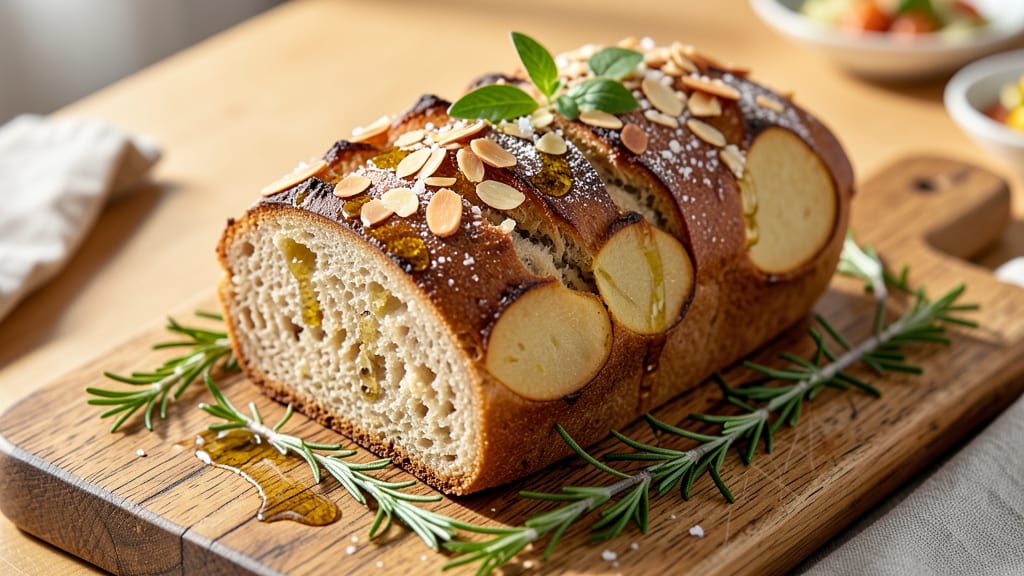
This wheat-free potato bread recipe delivers the same comforting, buttery sweetness as classic potato bread—just without the gluten. 🌟 The secret lies in blending potato starch with almond flour for a light, airy crumb that stays moist for days, perfect for sandwiches or serving alongside soups.
I developed this version after years of experimenting with gluten-free substitutes, and it finally achieves that ideal balance of fluffiness and structure. The magic happens in the dough, where mashed potatoes replace traditional flour while keeping the bread tender.
A touch of xanthan gum ensures proper rise, and baking powder creates that signature lift. Unlike many gluten-free breads that turn dense, this recipe yields a loaf with a crispy crust and a soft, slightly sweet interior that pairs beautifully with butter or jam.
What sets this apart is the texture—no gummy or crumbly disappointments here. The bread stays fresh for up to 5 days when stored properly, and it freezes beautifully for quick meals. Whether you're gluten-sensitive or simply craving a lighter loaf, this recipe delivers restaurant-quality results at home.
Ready in just 30 minutes of active prep (plus rising time), it’s ideal for weeknight dinners or holiday gatherings. Let’s make bread that feels indulgent without the gluten! Here’s how to achieve that perfect golden crust and tender crumb every time.
Ingredients for wheat free potato bread
Mashed potatoes, almond flour, and potato starch create this gluten-free loaf with restaurant-quality texture.
| Ingredient | Amount | Notes |
|---|---|---|
| Large Russet Potatoes 🥔 | 2 cups | Mashed, no lumps, cooled |
| Potato Starch 🌾 | 1 ½ cups | Not potato flour, essential |
| Almond Flour 🌰 | 1 ½ cups | Blanched, fine grind |
| Xanthan Gum 🧪 | ¼ tsp | Critical for structure |
| Baking Powder 🧂 | 2 tsp | Aluminum-free preferred |
| Salt 🧂 | 1 ½ tsp | Diamond Crystal preferred |
| Granulated Sugar 🍚 | ¼ cup | For subtle sweetness |
| Unsalted Butter 🧈 | ½ cup | Cold, cubed for texture |
| Large Eggs 🥚 | 2 whole | Room temperature |
| Milk 🥛 | ½ cup | Warm, whole preferred |
| Apple Cider Vinegar 🍎 | 1 tsp | For tender crumb |
| Poppy Seeds 🌻 | 1 tbsp | Optional, for topping |
The potato starch is non-negotiable here—Bob's Red Mill makes the best quality. Grab almond flour from the bulk section at Whole Foods or Trader Joe's for freshness. Russet potatoes give the best texture; Yukon Golds work too but lack the same moisture. For the butter, Plugrá or Land O'Lakes work best—avoid salted. The xanthan gum might be in the baking aisle or near gluten-free products; Bob's Red Mill sells it in small packages perfect for this recipe.
No potato starch? Arrowroot powder at half the amount works in a pinch, but texture will differ. Substitute almond flour with tapioca starch if needed, though the flavor won't be identical. For dairy-free, use unsweetened almond milk plus 1 tbsp melted coconut oil instead of regular milk and butter. The poppy seeds can be swapped for sesame seeds or everything bagel seasoning if you prefer. Fresh out of vinegar? Lemon juice at the same amount gets you close, though flavor will shift slightly.
This dough needs 20 minutes of rest before baking—don't skip it. The loaf keeps best in an airtight container with a paper towel underneath to absorb moisture. Reheat slices in a 350°F oven for 5 minutes to restore freshness. Freezes beautifully for up to 3 months—wrap tightly in foil and plastic. For extra crispiness, brush the crust with melted butter after baking.
Why You'll Love This Recipe
- No-Fuss Mashing: I boil, mash, and mix—no fancy techniques here. Russet potatoes handle the heavy lifting while potato starch keeps it light, so even if you’re not a baker, the texture turns out tender every time.
- Buttery Crust, Soft Core: That crispy golden edge? Pure magic from almond flour and baking powder working together. Inside, it’s pillowy, like a hug from your grandma’s kitchen—just without the wheat.
- Weeknight Hero: Toss a loaf in the freezer for lazy mornings or pack slices for sandwiches all week. Between us, this is the bread I grab when I’ve got zero energy but still need something good—no shame.
- Budget-Friendly Staple: Almond flour might sound fancy, but a little goes far, and potatoes stretch dollars. Honestly, I’ve made this for dinner guests and my picky kid—it’s the one thing that never feels like a compromise.
Step-by-step instructions for wheat-free potato bread
Here's the method for a perfectly fluffy, gluten-free loaf with that signature potato bread texture.
👨🍳 Step 1: Prepare the Potato Base
Peel the 2 cups of large russet potatoes and place them in a pot of cold, salted water. Bring to a boil and cook for 15-20 minutes until fork-tender. Drain thoroughly and return them to the pot.
Using a potato masher or ricer, completely mash the potatoes until completely smooth with no lumps. Let them cool to room temperature—this prevents the butter from melting prematurely when you mix. I press the potatoes through a fine-mesh sieve if needed for extra-smooth texture. The goal is a completely lump-free base that will create that signature tender crumb.
👨🍳 Step 2: Mix Dry Ingredients
In a large mixing bowl, whisk together the 1.5 cups potato starch, 1.5 cups almond flour, 0.25 tsp xanthan gum, 2 tsp baking powder, and 1.5 tsp salt. I use a wire whisk for this step to ensure everything is evenly distributed—those dry ingredients need to be completely combined before adding liquids.
The xanthan gum is critical here—it's what will give this gluten-free bread its structure and chew. Don't skip this step or your bread will be too crumbly. Sift the ingredients through a fine-mesh sieve if you have one to break up any potential clumps in the almond flour.
🥘 Step 3: Combine Wet Ingredients
In a separate bowl, melt the 0.5 cup unsalted butter in the microwave in 20-second intervals, stirring between each interval until completely melted but not hot. Add the melted butter to the cooled mashed potatoes along with the 2 whole large eggs, 0.5 cup warm milk, 0.25 cup granulated sugar, and 1 tsp apple cider vinegar.
Whisk vigorously until completely smooth. The vinegar helps tenderize the crumb while adding a subtle tang that balances the sweetness. This mixture should be thick but pourable—if it's too thick, add 1 tablespoon of warm milk at a time until it reaches the right consistency.
🥘 Step 4: Combine and Bake
Gradually add the dry ingredients to the wet mixture, whisking constantly to prevent lumps. The batter will be thick and dough-like—don't be tempted to add more liquid. Transfer the batter to a greased 9x5-inch loaf pan and smooth the top with a spatula.
Sprinkle the 1 tbsp poppy seeds evenly over the top for decoration and texture. Bake in a preheated 350°F oven for 50-55 minutes until the top is golden brown and a toothpick inserted in the center comes out clean. Here's the thing—don't open the oven during baking or the bread will sink.
⏰ Step 5: Cool and Serve
Remove the bread from the oven and let it cool in the pan for 10 minutes. Then transfer to a wire rack to cool completely. This cooling period is crucial—it allows the bread to set properly and prevents it from becoming gummy.
Slice when completely cool for clean cuts. The interior should be moist and tender with a slightly sweet flavor from the potatoes and sugar, while the crust remains crisp. Store wrapped at room temperature for up to 3 days or freeze for longer storage. This bread is perfect for toast, sandwiches, or served warm with butter.
Pro Tips For Making Wheat Free Potato Bread
- Boil Potatoes Until Fork-Tender: Russets release more starch when they’re fully broken down—aim for a knife that slides in like butter, not a fight. Over-boiling turns them mushy, so drain them just when they’re tender (about 12-15 minutes), then shock in ice water to stop cooking. I learned this the hard way after ending up with a dense, gluey loaf.
- Sift Almond Flour Twice: Almond flour clumps like a stubborn guest who won’t leave. Sift it before mixing with potato starch and xanthan gum, then sift the dry blend again into your wet ingredients. This guarantees even distribution—no dry pockets or gummy spots in your bread. (Yes, it’s tedious, but your future self will notice the difference.)
- Measure Xanthan Gum Precisely: Skip the spoonful guesswork—xanthan gum is not the kind of ingredient where "close enough" works. Use a scale for ¼ teaspoon (1.25g) per recipe, and dissolve it in the warm potato water first. Too much = rubbery bread; too little = crumbly disappointment. I once doubled it by accident and ended up with a loaf that felt like chewing gum.
- Bake in a Preheated Dutch Oven: Your oven’s "broil" setting isn’t the answer here. Preheat a heavy Dutch oven with the lid on for 15 minutes at 375°F (190°C), then transfer your shaped loaf in—no need to grease it. The trapped steam creates that perfect crust while keeping the crumb moist. I tried baking on a sheet pan first, and the result was dry as a textbook. (Your bread deserves better.)
Storing and reheating your wheat free potato bread
Room-Temp Storage
Keep your loaf wrapped in a clean kitchen towel or parchment paper inside an airtight container at room temperature. The towel absorbs excess moisture, preventing that dreaded gummy texture.
I store mine in a glass Pyrex container with a lid—it keeps the bread fresh for 3-4 days while maintaining that perfect crust. Avoid plastic containers, as they trap moisture and can make the bread soggy. 🌟
Refrigerator Refresh
If you need to store leftovers, slice the bread and wrap each piece individually in plastic wrap or store slices in a single layer inside an airtight container. Reheat slices in a toaster or oven for 3-5 minutes at 350°F—this restores crispiness without drying them out.
I prefer the oven method for a more even heat distribution. For extra flavor, brush slices with melted butter before reheating. ⏰
Freezer Prep
This bread freezes beautifully for up to 3 months! Let it cool completely, then slice into ½-inch thick portions. Wrap each slice tightly in plastic wrap, then place them in a freezer bag with all the air squeezed out.
Label with the date—trust me, you’ll forget! When ready to eat, thaw at room temperature for 1-2 hours or reheat directly from frozen in the oven at 325°F for 8-10 minutes with a sprinkle of water to keep it moist. 🧊
Reviving Stale Slices
Stale gluten-free bread is a thing of the past with this trick! Pop slices into a paper bag and microwave for 10-15 seconds—the steam instantly revives them. For a crispier texture, press slices between two sheets of parchment paper and bake at 375°F for 5 minutes.
I also love toasting stale slices with a drizzle of olive oil and a pinch of salt for a quick, crispy snack. Don’t waste a single crumb! 🔥
Make-Ahead Tips
Prep the dough the night before and refrigerate it overnight for even better flavor development. The next morning, bake as directed—your kitchen will smell amazing! For meal prep, bake two loaves at once and freeze one immediately.
This way, you always have fresh bread on hand without extra effort. I keep a backup loaf in the freezer just in case—because life happens! 💪
Nutrition facts
Frequently asked questions
Can I substitute almond flour with another gluten-free flour?
Yes, but results may vary. For best texture, use tapioca starch or coconut flour (though you'll need 1.5x the amount and extra liquid). Almond flour provides fat and structure—if substituting, add 1 extra tablespoon of melted butter to compensate. For a neutral flavor, white rice flour works but makes the bread denser.
Why does my gluten-free potato bread turn out dense?
Most likely, you skipped the 10-minute cooling period or overmixed the batter. The xanthan gum needs time to set, and lumps prevent proper rising. Also check your baking powder—if it's old, it loses lift. For extra fluffiness, let the dough rest 20 minutes before baking to relax the gluten-free proteins.
How do I make this bread dairy-free?
Replace the butter with ½ cup melted coconut oil or vegan butter, and use ½ cup unsweetened almond milk plus 1 tbsp melted coconut oil instead of regular milk. The vinegar can be swapped for lemon juice (same amount) to maintain crumb tenderness. Taste test before baking—you may need ½ tsp extra salt since dairy-free fats are less salty.
Can I use sweet potatoes instead of russets?
Sweet potatoes add natural sweetness and moisture. Use 2 cups mashed sweet potato (peeled) and reduce the granulated sugar to 2 tablespoons. For deeper flavor, add ½ teaspoon cinnamon to the dry ingredients. Note: Sweet potato bread will have a slightly orange hue but same tender texture.
Is this bread safe for nut allergies?
No—this recipe contains almond flour. For nut-free versions, replace it with 1.5 cups tapioca starch plus ½ cup sunflower seed flour. The texture will be slightly crumbly but still delicious. Always check your sunflower seed flour label for cross-contamination warnings if allergies are severe.