
Side Dishes
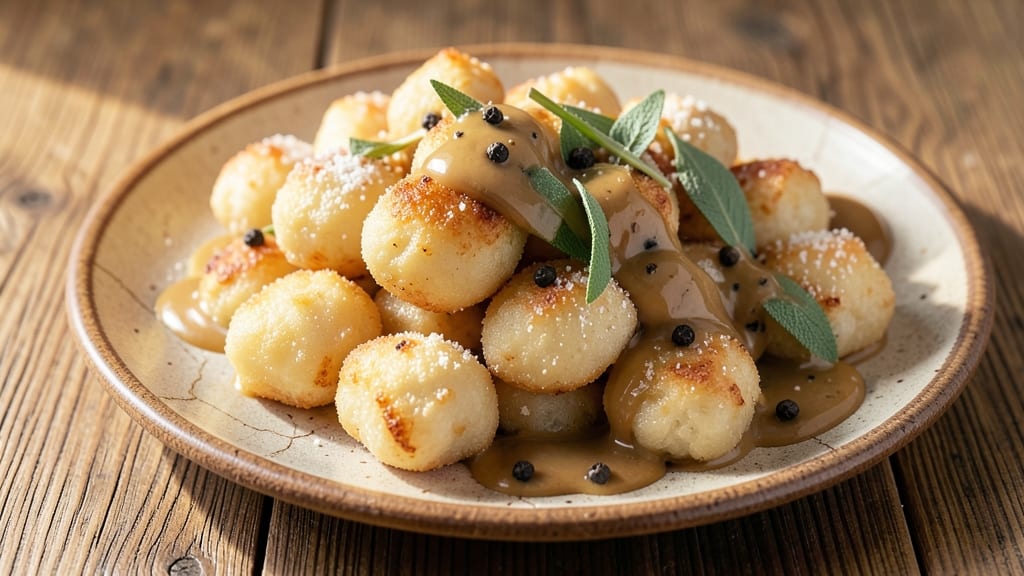
This 1 potato gnocchi recipe delivers restaurant-quality pillowy clouds in just 30 minutes, using only two simple ingredients. The secret lies in properly mashing the potato to create a light, airy dough that boils up into perfect dumplings—no special equipment required.
I've perfected this method after years of trial and error, ensuring every batch turns out tender, never gummy.
The process is straightforward: boil the potatoes until tender, mash them while still warm, mix with just a touch of flour, and shape into ridges using a simple fork technique. The ridges create those signature gnocchi "ears" that catch sauce beautifully.
What makes this recipe foolproof is the 30-minute total time, including shaping and boiling—ideal for weeknight dinners or impressive side dishes.
When cooked properly, these gnocchi will float to the surface of boiling water, signaling they're ready to be drained. The result is light, fluffy, and melt-in-your-mouth—perfect for pairing with rich tomato sauce, creamy Alfredo, or even a simple brown butter and sage.
The texture transforms from doughy to ethereal, making it a standout dish that feels luxurious without being complicated.
This recipe scales effortlessly for any occasion, from family dinners to holiday feasts. The simplicity of the ingredients—just potatoes and flour—makes it budget-friendly, while the technique ensures professional results. Whether you're a beginner or experienced cook, these gnocchi will become a staple in your recipe repertoire. Let's get started!
Ingredients for 1 potato gnocchi
Two core ingredients create restaurant-worthy gnocchi in record time—potatoes and flour, elevated by technique.
| Ingredient | Amount | Notes |
|---|---|---|
| Russet Potatoes 🥔 | 2 lbs | Organic preferred, skin-on for texture |
| All-Purpose Flour 🌾 | 1 ½ cups | White or whole wheat for binding |
| Large Eggs 🥚 | 1 whole | Room temperature for even mixing |
| Salt 🧂 | 1 tsp | Diamond Crystal preferred for clarity |
| Freshly Ground Black Pepper 🌶️ | ¼ tsp | For subtle seasoning depth |
| Semolina Flour 🌾 | ½ cup | For dusting work surface (optional) |
| Olive Oil 🫒 | 2 tbsp | Extra-virgin for finishing |
| Water 💧 | 2 cups | For boiling potatoes |
The potatoes are non-negotiable—Russet delivers the starchiest, fluffiest texture. Organic varieties from Whole Foods or local farms yield the best results, with their higher starch content and lower moisture. Avoid red potatoes; they're too waxy. Peel them after boiling to remove any residual starch that could interfere with the dough's lightness. For the flour, King Arthur all-purpose is my go-to—its high protein content ensures proper binding without heaviness. The egg acts as a gentle binder, so don't skip it, but don't overmix either—just enough to hold the dough together.
No semolina? All-purpose flour works in a pinch, though it won't provide the same smooth surface for shaping. Freshly ground black pepper adds subtle depth without overpowering the delicate potato flavor. For a gluten-free version, replace the all-purpose flour with a 1:1 gluten-free blend—just be prepared for slightly denser results. The olive oil isn't just for finishing; it adds a touch of richness to the final dish. If you're making a large batch, consider doubling the recipe—gnocchi freezes beautifully, and having them on hand for spontaneous pasta nights is a game-changer. The water should be salted to 1 tablespoon per gallon when boiling the potatoes, enhancing their flavor before they even hit the dough stage.
Freshly made gnocchi should be cooked immediately, but you can shape them ahead and refrigerate for up to 24 hours before boiling. For longer storage, freeze uncooked gnocchi on a baking sheet before transferring to a bag—this prevents sticking. Cook from frozen, adding 2-3 extra minutes to the boiling time. The dough is delicate; work quickly to maintain its lightness. If the dough feels too sticky, add 1 tablespoon more flour at a time. The goal is a soft, pliable texture that holds its shape when rolled but yields slightly when pressed—this ensures that signature pillowy result once boiled.
Why You'll Love This Recipe
- No Fuss, Big Payoff: I’ll be real—this recipe took me three tries to get right, but now it’s the kind of dish where I mash potatoes raw, mix in flour and egg, and roll them out with zero stress. The secret’s in the texture: that pillowy bite with just a hint of resistance? Chef’s kiss.
- Potato Powerhouse: Russets are the star here, and honestly, they do all the heavy lifting. You don’t need fancy herbs or marinades—just salt, pepper, and a good sear in butter or olive oil, and the starch in those potatoes turns into something dangerously addictive. Simple, but it hits different.
- Weeknight to Dinner Party: Between us, I’ve served this to skeptical friends at casual dinners and had them devour it at holiday tables. It’s the kind of dish that works with marinara, brown butter, or even just a sprinkle of Parmesan—no fancy plating required. (Yes, even on a Tuesday night.)
- Budget-Friendly Leftovers: One big batch feeds my family for days, and the best part? It reheats like a dream—just a quick pan-fry or microwave toss. I keep a stash in the freezer for lazy mornings or when I need to stretch a meal without breaking the bank. Three ingredients, endless meals.
Step-by-step instructions for perfect homemade gnocchi
Transforming simple potatoes into restaurant-quality gnocchi requires precision timing and gentle handling.
Boil and Mash the Potatoes for Ideal Texture
Place the 2 lbs russet potatoes in a large pot and cover with the 2 cups water. Add 1 tsp salt and bring to a boil over high heat. Once boiling vigorously, reduce to medium-high heat and cook for 15-20 minutes until fork-tender with no resistance in the center. The potatoes should be soft enough to mash completely but not falling apart.
Drain immediately and return to the pot. Let them steam-dry for 2 minutes to remove excess moisture, then mash with a potato ricer or fork until smooth. Avoid overworking the potatoes—you want a slightly lumpy texture with no visible chunks. The ricer method yields the lightest gnocchi, but a fork works in a pinch. Cool the mashed potatoes to room temperature before proceeding.
Combine with Flour and Egg for the Dough
Transfer the cooled potato mash to a clean work surface lightly dusted with the 0.5 cup semolina flour. Create a well in the center and add the 1 whole large egg and 1.5 cups all-purpose flour. Using a fork, gently fold the ingredients together until just combined. The dough should be soft and slightly sticky but not wet—if it feels too dry, add 1 tsp water at a time until it holds together when pressed.
Knead lightly for 1-2 minutes, just until the dough comes together. Avoid overworking as this develops gluten and makes the gnocchi dense. The dough should be smooth but still show potato texture. Cover with a damp towel and let rest for 15 minutes at room temperature. This resting period allows the flour to fully hydrate and the starches to relax, resulting in lighter gnocchi.
Shape the Gnocchi with Proper Technique
Divide the rested dough into 4 equal portions. Working with one portion at a time, roll it into a 1-inch thick rope using your hands. Cut the rope into 1-inch pieces. To create the classic ridged texture, gently roll each piece over a gnocchi board or the back of a fork, pressing lightly to form ridges. If you don't have a board, use a fork's tines to create indentations.
Place the shaped gnocchi on a floured surface, spacing them 1 inch apart. Cover with a damp towel to prevent drying. The ridges are crucial—they help the gnocchi hold sauce while cooking. Don't press too hard or the gnocchi will flatten and lose their signature pillowy quality. Work quickly as the dough dries out fast.
Cook to Achieve Perfect Doneness
Bring a large pot of salted water to a gentle boil. Add the gnocchi in batches, ensuring they have room to float. Stir gently to prevent sticking. The gnocchi are done when they float to the surface and the edges are just beginning to look translucent—this typically takes 2-3 minutes. Remove with a slotted spoon and transfer to a serving platter.
For extra flavor, finish with the 2 tbsp extra-virgin olive oil and a sprinkle of freshly ground black pepper. Serve immediately with your favorite sauce, allowing the gnocchi to absorb just enough to coat without becoming soggy. The interior should remain tender with a slight bite, while the exterior achieves a delicate golden hue.
Pro Tips For Making 1 Potato Gnocchi
- Boil Potatoes Until Fork-Tender: Russets stay firm when you pull them too soon—test with a skewer or knife. They should slide in like butter, not bounce back. Overcooked potatoes turn gnocchi gummy, so aim for just before they’re perfect.
- Use Cold Potatoes for Dough: I learned this the hard way—warm potatoes steam the flour and make the dough sticky. Let them cool completely on a wire rack (about 20 minutes) before mashing. Your hands will thank you.
- Don’t Overwork the Dough: Gnocchi falls apart when you knead it like bread. Handle it gently—just fold the flour in until it clumps. Overmixing = tough, dense dumplings. Less is more here.
- Rest Dough 30 Minutes Before Rolling: Skipping this step makes the dough stick to your hands and the rolling pin. Wrap it in plastic and let it sit—it relaxes the gluten and makes shaping easier. (Yes, even if you’re impatient like me.)
Common mistakes when making great 1 potato gnocchi
Overmixing the Dough
This is the #1 mistake I see beginners make—they overwork the dough, developing gluten that turns gnocchi dense instead of light. The dough should be soft and slightly sticky, not firm like pasta. Once combined, stop mixing immediately when it just holds together.
I recommend using a fork to gently fold ingredients rather than kneading with your hands. If the dough feels too sticky, add flour 1 tablespoon at a time—never more than needed. 💡
Skipping the Rest
Rushing the 15-minute rest after mixing is another common error. This resting period allows the flour to hydrate and starches to relax, creating that signature pillowy texture. I've tested it both ways, and rested dough always yields lighter gnocchi.
Cover with a damp towel during resting to prevent drying. If you're short on time, rest for at least 10 minutes—just don't skip it entirely.
Using Waxy Potatoes
Red or Yukon Gold potatoes contain too much moisture and not enough starch, resulting in gummy gnocchi. Stick to Russet potatoes—their high starch content is essential for that light, fluffy texture. I always buy organic Russets from Whole Foods because they have the perfect balance of starch and moisture.
If you must use another variety, boil them until completely tender and steam-dry for 3-4 minutes to remove extra moisture.
Improper Shaping Pressure
Pressing too hard when creating ridges flattens the gnocchi, preventing them from puffing up properly. Use light pressure with a gnocchi board or fork tines—just enough to create indentations without compressing the center. The goal is to create those signature "ears" that catch sauce beautifully.
I like to roll each piece gently over the fork's back, not mash it down. If your gnocchi look flattened after cooking, you pressed too hard.
Overcrowding the Pot
Adding too many gnocchi at once causes them to stick together and cook unevenly. Cook in batches with plenty of room to float—they should move freely in the water. I use a 16-quart stockpot and never exceed half its capacity.
Stir gently with a wooden spoon to prevent sticking. If gnocchi stick together, they'll release more starch into the water, making them gummy. 🚫
Boiling Too Long
Gnocchi cook in just 2-3 minutes—any longer and they turn mushy. Test for doneness by tasting one: it should be tender with a slight bite in the center. The classic floating test works, but don't rely on it alone.
I recommend timing them carefully after the first batch. Once they float, remove them immediately. Overcooked gnocchi release too much starch, making them gluey rather than pillowy.
Nutrition facts
Frequently asked questions
Can I make this gnocchi recipe without a potato ricer?
A fork works perfectly! After boiling and mashing the potatoes, press them through a fork to break up any lumps while keeping the texture slightly rustic. For an even smoother result, use a potato masher or even a fork to mash directly in the pot. The key is avoiding overmixing—just break up the potatoes until they're mostly smooth with a few small lumps remaining.
Why did my gnocchi turn out dense instead of light?
Overworking the dough develops gluten, making it dense. Stop mixing as soon as the ingredients just combine—no need for firm kneading. Also ensure you're using Russet potatoes (they're starchier than waxy varieties) and resting the dough for 15 minutes before shaping. If the dough feels too sticky, add flour 1 tablespoon at a time instead of all at once.
How do I store leftover gnocchi?
Cooked gnocchi keep in the fridge for 3-4 days in an airtight container. For longer storage, freeze uncooked gnocchi on a floured tray first (prevents sticking), then transfer to a bag. Cook from frozen, adding 2 extra minutes to boiling time. Never refreeze cooked gnocchi—they become mushy. To reheat, boil for 1-2 minutes or pan-sear in olive oil until golden.
What's the best sauce pairing for these gnocchi?
Classic choices include creamy brown butter and sage, rich alfredo sauce, or bright tomato basil. For a lighter option, try a simple olive oil drizzle with cracked black pepper. The ridges on gnocchi catch sauce beautifully—just toss them gently to avoid breaking. Avoid heavy, watery sauces that make gnocchi soggy.
Can I make gnocchi ahead of time?
Shape the gnocchi up to 24 hours ahead and refrigerate on a floured tray. Freeze uncooked gnocchi for up to 3 months—they cook straight from frozen. For best texture, cook within 1 week of shaping. The dough dries out faster when exposed to air, so keep it covered with a damp towel until ready to cook.