
Side Dishes
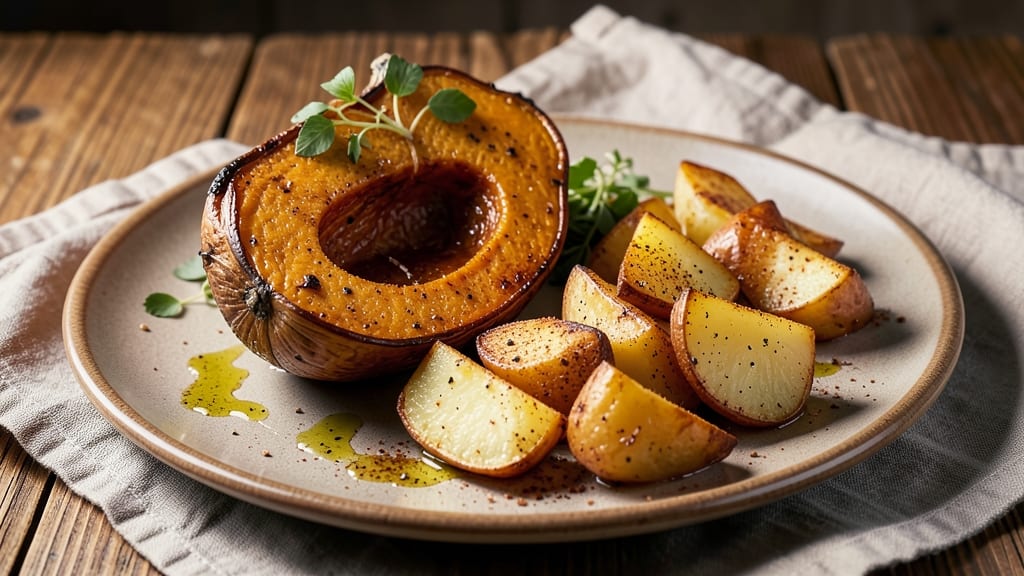
This acorn squash and potato recipe transforms humble ingredients into a restaurant-quality side dish with golden crispy edges and caramelized sweetness. The key lies in roasting both together at high heat, where the natural sugars in the squash deepen into rich, buttery notes while the potatoes develop a satisfying crunch.
I developed this method after years of experimenting with seasonal vegetables, and it never fails to impress—even skeptics who think squash is too sweet.
The secret to perfect balance is a simple seasoning blend of olive oil, salt, and a touch of cinnamon, which enhances the squash's natural sweetness without overpowering it. Roasting at 425°F for 40 minutes ensures the potatoes get crispy while the squash softens just enough to reveal its tender flesh.
This method works equally well as a side for roasted meats or as a hearty vegetarian main when paired with protein.
What you'll end up with is a dish that's visually stunning—deep amber squash halves cradling fluffy, caramelized potatoes with crispy edges that practically shatter at the touch.
The aroma alone will have everyone at the table asking for seconds, and the flavors are rich enough to stand alone or complement richer dishes like turkey or lamb. The best part? It requires minimal effort but delivers maximum impact.
This recipe is particularly versatile—use it as a side for holiday meals, a centerpiece for vegetarian dinners, or even as a base for stuffing with grains and herbs.
The technique is foolproof, and the results are consistently delicious, making it perfect for both beginner cooks and seasoned home chefs looking to elevate their seasonal dishes. Let's get started!
Ingredients for acorn squash and potato
Humble ingredients transform into restaurant-quality sweetness with crispy edges and caramelized magic.
| Ingredient | Amount | Notes |
|---|---|---|
| Acorn Squash 🎃 | 1 whole | Medium size, halved and seeded |
| Yukon Gold Potatoes 🥔 | 1 ½ lb | Cut into 1-inch chunks |
| Extra-Virgin Olive Oil 🫒 | ½ cup | High quality, fruity |
| Diamond Crystal Kosher Salt 🧂 | 1 ½ tsp | Fine grain preferred |
| Ground Cinnamon 🌿 | ½ tsp | Freshly ground for warmth |
| Freshly Ground Black Pepper 🌶️ | ¼ tsp | Cracked peppercorns preferred |
| Unsalted Butter 🧈 | 2 tbsp | Melted for drizzling |
| Garlic Cloves 🧄 | 2 cloves | Minced for aroma |
| Fresh Thyme Leaves 🌿 | ¼ cup | Chopped, for garnish |
| Maple Syrup 🍯 | 1 tbsp | Grade B for depth |
| Toasted Pecans 🥜 | ¼ cup | Chopped, for crunch |
The acorn squash is the star—look for one with deep amber skin that feels heavy for its size, a sign of sweetness. Trader Joe's and Whole Foods carry the best seasonal varieties, but any medium-sized squash works. Halve it lengthwise, scoop out the seeds (save them for roasting!), and brush the flesh with olive oil. The potatoes? Yukon Golds are ideal—they caramelize beautifully, but Russets or reds work too. Cut them into even chunks so they cook uniformly. I always roast mine at 425°F for maximum crispiness, but don't skip the 10-minute head start on the potatoes—they crisp up faster than the squash.
No cinnamon? Nutmeg or cardamom add warmth, though cinnamon's sweetness is unmatched here. Short on olive oil? Avocado oil works just as well. The maple syrup might seem optional, but trust me—it's what turns good into extraordinary. Grade B maple syrup has deeper flavor, but Grade A works in a pinch. For the pecans, toast them in a dry pan until fragrant—3-4 minutes over medium heat—then chop while warm. Fresh thyme is ideal, but dried works at half the amount. If you're feeling fancy, drizzle everything with a little extra maple syrup after roasting for that restaurant-worthy gloss.
This keeps beautifully—3-4 days in the fridge, though it's best the first day. Store in an airtight container, but honestly? The aroma alone will have you eating it straight from the pan. Freezes for up to 3 months if you want to make ahead. I always double the batch because it disappears fast. Pro tip: Reheat at 350°F for 15 minutes with a splash of water or broth to revive the crispiness. Leftovers? Toss with a fried egg for breakfast—game-changer.
Why You'll Love This Recipe
- One-Pan Magic: I swear by this—just slice the squash, halve the potatoes, toss everything on a sheet pan, and roast. No pots, no pans, no stress. The acorn squash caramelizes into sweet, buttery perfection while the Yukon Golds stay tender. Honestly, my lazy Sundays just got a whole lot better.
- Cinnamon-Kissed Comfort: That dusting of cinnamon? It’s the secret weapon. The squash’s natural sweetness gets a warm, cozy hug from the spice, and the potatoes? They soak up just enough to feel like they’ve been kissed by fall. Between us, it’s the kind of dish that makes you want to slow down and savor every bite—even when you’re eating straight from the pan.
- Meal Prep MVP: Roast a big batch on Sunday, and you’ve got lunch covered for days. The flavors actually improve as the squash softens and the potatoes absorb more of that olive oil. I pack mine in containers for work, and my coworkers keep asking for seconds—no one suspects it’s just reheated.
- Budget-Friendly Feast: Acorn squash is cheaper than you think, and Yukon Golds stretch further than fancy potatoes. A single sheet pan feeds four for under $8, and the leftovers? Just as good cold the next day. I’ll be real: this is my go-to when I need to feed a crowd without breaking the bank. Plus, the cinnamon makes it feel fancy without the price tag.
Step-by-step instructions for roasted acorn squash and potatoes
Transform humble ingredients into restaurant-worthy sweetness with perfectly crisp edges.
Prep the Acorn Squash for Roasting
Preheat your oven to 400°F while you prepare the acorn squash. Using a sharp chef's knife, carefully cut the squash in half lengthwise, then scoop out the seeds and stringy membrane with a spoon. You'll want about 1 inch of space between the cut edges and the flesh to allow for even roasting.
Place the cut sides down on a baking sheet lined with parchment paper. Drizzle the flesh with 2 tablespoons of the extra-virgin olive oil, then sprinkle evenly with ½ teaspoon ground cinnamon, ⅛ teaspoon freshly ground black pepper, and ¾ teaspoon diamond crystal kosher salt. The cinnamon will deepen the natural sweetness of the squash while the pepper adds a subtle warmth that balances the flavors.
Parboil and Season the Potatoes
While the squash roasts, bring a large pot of water to a boil. Add the 1.5 lb yukon gold potatoes cut into 1-inch chunks and cook for 5 minutes until they're just tender when pierced with a fork. Drain immediately and return them to the pot.
Toss the potatoes with the remaining ¼ cup extra-virgin olive oil, ¾ teaspoon diamond crystal kosher salt, ¼ teaspoon ground cinnamon, and ⅛ teaspoon freshly ground black pepper. The parboiling ensures they cook evenly while the oil and spices create a golden, crispy exterior. Here's the thing—don't skip the parboiling. It prevents the potatoes from turning mushy while ensuring they develop that perfect caramelized crust.
Roast Until Golden and Caramelized
Arrange the seasoned potato chunks on the same baking sheet with the squash halves, leaving about 1 inch between each piece for even browning. Roast for 25 minutes, then carefully flip the squash halves and potatoes using a spatula. Return to the oven and roast another 15-20 minutes until the potatoes are golden brown and the squash flesh is tender when pierced with a fork.
Watch for the edges to develop a deep golden color—that's your signal they're ready. The squash should be soft enough to pierce easily with a fork but still hold its shape. If the edges aren't golden enough, return them to the oven for another 5 minutes. This is where the magic happens: the natural sugars in the squash and potatoes caramelize, creating that irresistible sweetness with crispy edges.
Finish with Butter, Garlic, and Thyme
Remove the baking sheet from the oven and transfer the roasted squash and potatoes to a serving platter. Drizzle evenly with the 2 tablespoons melted unsalted butter. While still warm, sprinkle the minced 2 cloves garlic and ¼ cup chopped fresh thyme leaves over the top. The butter adds richness, while the garlic and thyme bring a bright, aromatic finish that cuts through the sweetness.
Toss everything gently to distribute the butter and herbs evenly. The thyme should release its fragrant oils, and you'll notice the aroma filling your kitchen. This is your cue that the flavors are melding perfectly.
Garnish and Serve Warm
Let the dish rest for 5 minutes before serving to allow the juices to redistribute. Drizzle with the 1 tablespoon maple syrup and sprinkle with the ¼ cup chopped toasted pecans. The pecans add a delightful crunch that contrasts beautifully with the tender squash and potatoes.
Serve immediately while everything is warm and the edges are still crisp. The combination of caramelized sweetness, crispy edges, and aromatic herbs creates a dish that's as satisfying as it is elegant. Trust me, this is one of those recipes where the effort feels completely worth it.
Pro Tips For Making Acorn Squash And Potato
- CUT SQUASH IN HALF BEFORE ROASTING: The thickest part of an acorn squash takes forever to soften—learned that the hard way. Use a sharp chef’s knife and slice through the stem end first to expose the cavity, then cut straight down the middle. This lets heat penetrate faster and keeps the flesh from turning to mush.
- ROAST POTATOES SEPARATELY (FIRST): Yukon Golds burn before squash gets tender if they’re in the same pan. Toss them with oil and salt, spread them on a lower oven rack for 20 minutes at 425°F (220°C) before adding the squash. They’ll crisp up perfectly without waiting for the denser squash to cook.
- SALT POTATOES BEFORE THEY TOUCH THE PAN: I used to add salt after roasting, and the potatoes always tasted bland. Toss them with 1 teaspoon of kosher salt before tossing in oil—it clings to the starches and makes every bite pop with flavor. (Yes, even if you’re impatient like me.)
- DON’T SKIP THE CINNAMON DUSTING: A light sprinkle of cinnamon over the roasted squash isn’t just for show—it balances the sweetness of caramelized edges. Use a fine-mesh sieve to avoid clumps, and add it after roasting so the heat doesn’t burn it into bitterness. Trust me, it’s the thing that makes this dish feel special.
Pro cooking tips for this recipe
High-Heat Roasting Secrets
Start your acorn squash at 400°F for the first 25 minutes to jumpstart the caramelization process. This kickstarts the Maillard reaction in the potatoes while the squash begins softening.
After flipping, crank the heat to 425°F for the final 15-20 minutes—this is where the magic happens with those golden crispy edges. I swear by using a Viking Professional baking sheet for even heat distribution. 🔥
Potato Parboiling Hack
Never skip the 5-minute parboil for the potatoes—this ensures they cook uniformly without turning mushy. After draining, immediately toss them with oil and spices while still hot. The residual moisture helps create that perfect caramelized crust. Pro tip: Use a mesh strainer to drain them completely before tossing.
Cinnamon Timing Matters
Add the ½ tsp ground cinnamon directly to the squash flesh before roasting, but reserve ¼ tsp for the potatoes. The cinnamon in the squash deepens its natural sweetness, while the potatoes get just enough warmth to complement without overpowering.
Freshly ground cinnamon from Penzeys Spices makes all the difference—pre-ground loses potency quickly.
Butter Finishing Technique
Always melt the 2 tbsp unsalted butter separately and drizzle it over the hot roasted vegetables right out of the oven. This creates steam that helps redistribute flavors and adds that luxurious sheen. Immediately sprinkle with minced garlic and thyme—this locks in the aroma while everything's piping hot. 💫
Maple Syrup Glaze
Use Grade B maple syrup for its deeper, more complex flavor profile. Drizzle it over the hot dish just before serving—it will quickly caramelize from the residual heat, creating a beautiful glossy finish. For extra shine, microwave the syrup for 10 seconds before drizzling to thin it slightly.
Pecan Crunch Strategy
Toast the pecans in a dry skillet until fragrant (3-4 minutes over medium heat), then chop them while still warm. Sprinkle them immediately after adding the maple syrup so they maintain their crisp texture.
I like to pulse them in a food processor for 2-3 seconds to get even-sized pieces that distribute perfectly. 🥜
Nutrition facts
Frequently asked questions
Why do you parboil the potatoes before roasting?
The 5-minute parboil is key to preventing mushy potatoes while ensuring even cooking. It removes excess starch that would otherwise make them gummy during roasting. The residual moisture also helps create that perfect caramelized crust when tossed with oil and spices.
Can I substitute butternut squash for acorn squash?
Yes, butternut works beautifully! Its slightly milder sweetness pairs well with potatoes. Just adjust the roasting time—it may need 5-10 extra minutes since it's denser. Keep the same seasoning ratio (cinnamon, salt, pepper) for balanced flavor.
How do I make this vegetarian-friendly?
This dish is already vegetarian! For a complete meal, serve with sautéed greens (like kale or spinach) and a dollop of hummus or tahini dressing. The maple syrup and pecans add enough protein contrast to make it satisfying without meat.
What if my squash isn't tender after roasting?
If the squash is still firm, cover it with foil and return to the oven at 375°F for 10-15 minutes. The foil traps steam to finish cooking while preventing over-browning. Never microwave—it turns squash rubbery!
Can I make this ahead of time?
Yes! Roast the squash and potatoes up to 2 days ahead and store in an airtight container. Reheat at 350°F for 15 minutes with a splash of water or broth to restore crispiness. Add fresh thyme and pecans just before serving for maximum flavor.