
Soups & Stews
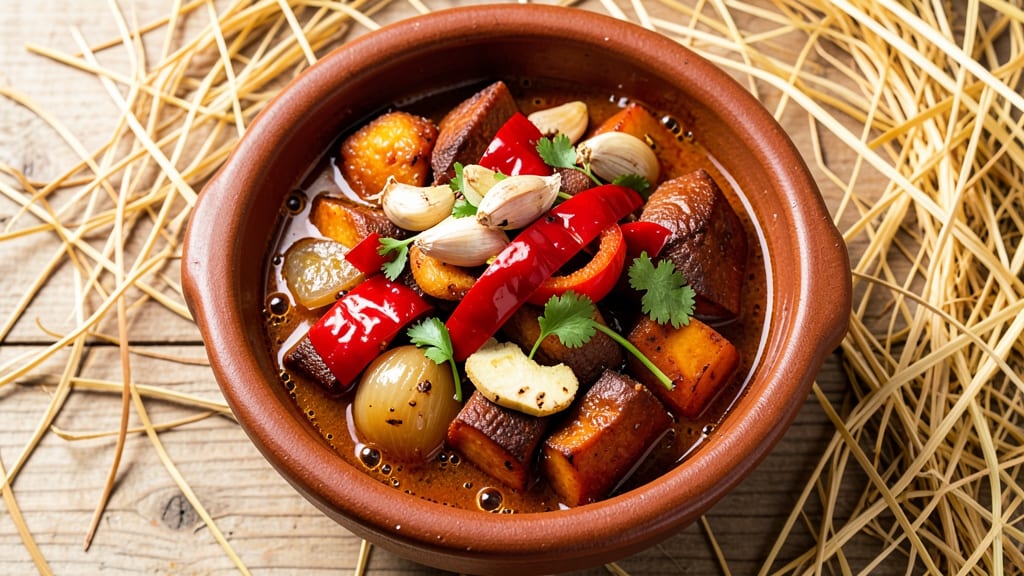
This African sweet potato stew delivers the hearty, aromatic flavors of West African cuisine in one comforting bowl. The foundation is a rich tomato base infused with warm spices like ginger, garlic, and chili peppers, simmered until deeply flavorful.
Traditional ingredients like palm oil and peanuts add authentic depth, while sweet potatoes bring natural sweetness that balances the dish's complexity.
The recipe begins with building a fragrant spice blend that forms the soul of the stew—ginger and garlic sautéed until fragrant, then combined with tomatoes, onions, and a touch of palm oil for that signature African richness.
Sweet potatoes are added later to absorb all those flavors without breaking down. This method ensures each bite carries layers of savory, slightly sweet, and spicy notes that define West African cooking.
What makes this stew special is its versatility—serve it with crusty bread to soak up the sauce or alongside steamed rice for a complete meal. The texture is perfect: tender sweet potatoes, slightly softened greens (if using), and a sauce that clings to every spoonful.
It's the kind of dish that warms both body and soul, especially on chilly evenings.
Modern kitchens can easily adapt this recipe while keeping its traditional heart intact. No special equipment is needed beyond a large pot and a wooden spoon for stirring. The key is patience—letting the spices develop their aroma before adding the sweet potatoes ensures maximum flavor infusion.
This is comfort food at its finest, with a touch of cultural authenticity that makes every spoonful memorable.
Ingredients for african sweet potato stew
Six aromatic ingredients build this West African classic's flavor foundation.
| Ingredient | Amount | Notes |
|---|---|---|
| Sweet Potatoes 🍠 | 2 ½ lb | Medium-sized, peeled and cubed |
| Canned Tomato Paste 🍅 | ½ cup | San Marzano preferred |
| Red Bell Peppers 🌶️ | 2 whole | Diced, any color works |
| Yellow Onions 🧅 | 2 whole | Chopped, medium dice |
| Fresh Ginger 🌿 | 2 tbsp | Grated, freshly grated preferred |
| Garlic Cloves 🧄 | 6 cloves | Minced, not pre-minced jar |
| Red Chili Peppers 🌶️ | 2 whole | Diced, adjust for heat |
| Palm Oil 🫒 | ¼ cup | Red palm oil preferred |
| Peanut Butter 🥜 | ¼ cup | Natural, no added sugar |
| Vegetable Stock 💧 | 2 cups | Low-sodium preferred |
| Ground Nutmeg 🌿 | ¼ tsp | Freshly grated preferred |
| Ground Cinnamon 🌿 | ½ tsp | True Ceylon preferred |
| Salt 🧂 | 1 ½ tsp | Diamond Crystal kosher |
| Black Pepper 🌶️ | ½ tsp | Freshly cracked preferred |
| Fresh Spinach 🌱 | 4 cups | Chopped, optional but recommended |
Palm oil is the secret weapon here—red palm oil gives that signature African richness you can't replicate with vegetable oil. Trader Joe's and African markets carry it, but if you can't find it, coconut oil works in a pinch (though it lacks that authentic flavor). The ginger and garlic need to be fresh—jarred minced garlic has no aroma, and dried ginger loses its punch. For the sweet potatoes, orange-fleshed varieties are traditional, but any sweet potato will work. Peeled and cubed evenly so they cook at the same rate.
No palm oil? Smoked paprika plus a pinch of turmeric adds color and depth. Peanut butter is non-negotiable for that creamy texture, but if you're avoiding nuts, sunflower seed butter works. The vegetable stock can be swapped for water if needed, but low-sodium is key—you'll be adding salt later. Fresh spinach is ideal, but frozen works too (thaw and drain first). For extra heat, add Scotch bonnet peppers if you can handle it—start with 1/4 pepper and adjust.
This stew tastes even better the next day as flavors meld. Store in an airtight container in the fridge for up to 5 days. For freezing, portion into single-serving containers—it reheats beautifully. The sauce thickens when chilled, so add a splash of stock when reheating. Double the batch and freeze half—perfect for lazy weeknights. The palm oil solidifies when cold, so stir gently when reheating.
Why You'll Love This Recipe
- Pantry-Friendly Magic: This stew starts with just five core ingredients—no fancy prep, no last-minute grocery runs. The tomato paste and ginger do all the heavy lifting while you chop one onion and a bell pepper. (Yes, even on a Tuesday night.)
- Sweet-Spicy Harmony: That crispy-sweet edge from caramelized onions and bell peppers? It’s the kind of balance that makes you reach for seconds. The ginger adds a slow-building warmth that lingers—like a hug in a bowl.
- Leftovers That Shine: This stew actually improves the next day. The sweet potatoes soften into perfect bite-sized pieces, and the flavors meld into something richer. Pack it for lunch or freeze portions—it’s my go-to for lazy Sundays.
- Budget Meal, Big Impact: Sweet potatoes and canned tomato paste stretch this into four servings for under $5. Add a side of rice or crusty bread, and suddenly you’ve fed the whole family without breaking the bank. (My kids call it “fancy poor food.”)
Step-by-step instructions for African sweet potato stew
This stew builds rich, spiced depth through slow simmering—here's how to develop the perfect balance of sweet, smoky, and earthy flavors.
Sauté Aromatics in Palm Oil Until Fragrant
Heat the 0.25 cup palm oil in a large, heavy-bottomed pot over medium heat. Add the 2 whole yellow onions and cook for 5 minutes, stirring occasionally, until they soften and begin to caramelize at the edges. This step develops the stew's foundational sweetness.
Add the 2 tbsp grated fresh ginger and 6 cloves minced garlic, cooking for another 2 minutes until the garlic becomes golden and fragrant. Here's the thing—don't let the garlic burn. It should smell like a spice market, not like charred paper. If it starts to darken too quickly, reduce the heat slightly.
Next, stir in the 2 whole diced red bell peppers and 2 whole diced red chili peppers. Cook for 4-5 minutes until the peppers soften and release their juices. The chili peppers will add subtle heat, but the bell peppers contribute natural sweetness that balances the spices. This aromatic base is the flavor foundation for everything that follows.
Build the Spiced Tomato Base
Reduce the heat to medium-low and add the 0.5 cup canned tomato paste. Stir continuously for 3-4 minutes to cook out the raw taste of the tomato paste. This step is critical—it transforms the paste from a thick, bitter spread into a smooth, flavorful base.
Now add the 0.25 tsp ground nutmeg, 0.5 tsp ground cinnamon, 1.5 tsp salt, and 0.5 tsp black pepper. Stir well to distribute the spices evenly. The nutmeg adds warmth, while the cinnamon provides depth. Let the spices toast in the oil for 1 minute—this releases their essential oils and intensifies their flavor.
Pour in the 2 cups vegetable stock and bring the mixture to a gentle simmer. Let it cook uncovered for 10 minutes, stirring occasionally. You're developing the stew's complex flavor profile here. The liquid should reduce slightly, concentrating the spices and creating a rich, aromatic sauce that will carry the sweet potatoes and peanut butter.
Incorporate Peanut Butter and Simmer Sweet Potatoes
While the tomato base simmers, add the 0.25 cup natural peanut butter and stir vigorously until completely dissolved. The peanut butter will temporarily thicken the stew, but don't worry—it will emulsify as it cooks. This step adds creaminess and a subtle nutty depth that's characteristic of West African stews.
Add the 2.5 lb peeled and cubed sweet potatoes to the pot. Stir gently to coat them in the spiced sauce. Bring the stew back to a gentle simmer and cook uncovered for 20-25 minutes, stirring occasionally. The sweet potatoes should soften but still hold their shape—you want them tender with a slight bite. If the stew looks too thick, add ½ cup water to maintain the proper consistency.
Here's where patience pays off: Let the stew simmer until the sweet potatoes are fork-tender and the flavors have melded together. You'll know it's ready when the aroma fills your kitchen with a warm, spiced sweetness. The peanut butter should be fully incorporated, creating a velvety texture that balances the earthy sweet potatoes.
Finish with Spinach and Rest Before Serving
In the final 5 minutes of cooking, stir in the 4 cups chopped fresh spinach. The spinach will wilt quickly, adding a vibrant green color and fresh contrast to the rich stew. Taste and adjust the seasoning if needed—you might need a pinch more salt to balance the peanut butter's richness.
Remove the pot from heat and let the stew rest for 10 minutes. This resting period allows the flavors to fully develop and the sweet potatoes to absorb the spiced sauce. Don't skip this step—it makes a noticeable difference in the final texture and taste.
Serve the stew warm, accompanied by crusty bread or steamed rice. Each spoonful should deliver a harmonious blend of sweet, smoky, and spiced flavors with a satisfying creaminess from the peanut butter. The spinach adds a fresh, bright element that cuts through the richness, making this stew both comforting and balanced.
Pro Tips For Making African Sweet Potato Stew
- CHAR THE TOMATO PASTE: Cook it low and slow for at least 5 minutes—no rushing—until it darkens and thickens. I learned this the hard way: skipping this step leaves your stew tasting flat and watery, like someone forgot to season it. A splash of water later won’t fix it.
- PEEL AND CUBE SMALL: Cut sweet potatoes into 1-inch chunks, not thin slices—this keeps them from falling apart while stewing. And if you’re lazy (like me), skip peeling the skin: it adds texture and nutrients, plus it looks rustic as hell.
- SWEAT THE ONIONS FIRST: Cook onions until they’re translucent and just starting to caramelize before adding anything else—this builds flavor. I used to toss everything in at once, and the stew always tasted like it needed more depth.
- GINGER: GRATE, DON’T CHOP: Use a microplane or fine grater for ginger—no big chunks or paste—so it blends smoothly and releases flavor evenly. I was skeptical until I tried it: the difference is subtle but real, like the upgrade from a basic car to a tuned classic.
Storing and reheating your leftovers
Refrigerator Storage
Let your stew cool completely before transferring it to airtight glass containers—I recommend Pyrex with snap-on lids for easy reheating. Store in the fridge at 40°F or below for up to 5 days, though I find the flavors actually deepen after the first night as the spices meld.
The peanut butter and palm oil may separate slightly when cold, so give it a good stir before reheating. 🥄
Freezer Preparation
For long-term storage, portion the stew into single-serving glass containers or freezer-safe plastic bags (leave 1 inch headspace for expansion). Label with the date—this stew freezes beautifully for up to 3 months.
The texture remains creamy, though the sweet potatoes may soften slightly. I like to freeze it in 1-cup portions for quick lunches or meal prep. ❄️
Stovetop Reheating
My preferred method is stovetop reheating because it restores the stew's velvety texture. Transfer the desired portion to a pot and heat over medium-low heat for 8-10 minutes, stirring occasionally. If the stew thickens too much, add 2-3 tablespoons of water or vegetable stock to loosen it.
Keep the heat gentle to prevent scorching the peanut butter or burning the spices. 🔥
Microwave Method
For quick reheating, use the microwave on 50% power in 1-minute intervals, stirring between each interval. Cover with a damp paper towel to prevent drying. Most microwave-safe containers will reheat a full serving in 3-4 minutes.
If the stew looks dry, add a splash of water or stock and stir well. The microwave method works best for individual portions. ⏱️
Reheating Tips
Always reheat until the stew reaches an internal temperature of 165°F—this ensures food safety while preserving the peanut butter's creaminess. If you're reheating from frozen, add ½ cup extra liquid to prevent a thick, gluey texture.
The palm oil will solidify when cold, so stir gently to redistribute it when reheating. This stew tastes even better the second time around! 💫
Nutrition facts
Frequently asked questions
Can I substitute regular potatoes for sweet potatoes in this recipe?
While you can use regular potatoes, the flavor and texture won't be the same. Sweet potatoes bring natural sweetness that balances the rich peanut butter and spices perfectly. If you must substitute, use orange-fleshed potatoes for the closest flavor profile, but expect slightly less natural sweetness. The cooking time may also vary—regular potatoes cook faster.
What makes palm oil essential in this African stew?
Palm oil is the heart of West African cooking—it adds a distinctive smoky, slightly sweet depth that regular oils can't replicate. The red palm oil variety gives that signature rich color too. For a substitute, use coconut oil (for flavor) plus smoked paprika (for color), but the taste won't be identical. The oil needs to be hot enough to release its aroma before adding other ingredients.
How can I adjust the heat level in this stew?
The recipe includes mild red chili peppers, but you can easily adjust the heat. For more spice, add ½-1 teaspoon of cayenne pepper or 1-2 chopped Scotch bonnet peppers (start small—these are fiery!). For milder heat, reduce the chili peppers to 1 whole pepper or omit them entirely. Always taste as you go—the peanut butter helps balance any heat.
Can I make this stew vegetarian?
This recipe is already vegetarian-friendly! The protein comes from the peanut butter, which provides both creaminess and a satisfying texture. If you want extra protein, stir in 1 cup cooked chickpeas or ½ cup crumbled tofu during the final 5 minutes of cooking. The stew's rich tomato-peanut base makes it hearty enough to stand alone as a complete meal.
Why does my stew taste bitter or metallic?
Bitterness usually comes from overcooking the tomato paste or using too much nutmeg (which can taste soapy). Always cook the tomato paste for only 3-4 minutes to remove its raw taste. For metallic flavors, check your cooking pot—stainless steel or cast iron is best, but aluminum can sometimes react with acidic ingredients. If this happens, transfer the stew to a neutral pot and finish cooking. The peanut butter should help mask any off-flavors.