
Side Dishes
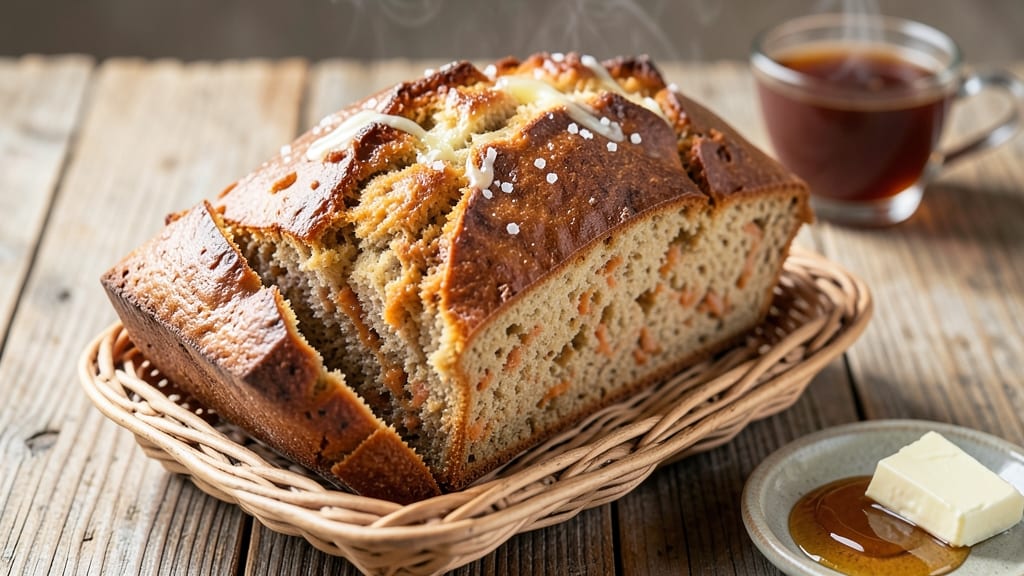
This sweet potato yeast bread machine recipe transforms humble ingredients into a moist, fragrant loaf with a golden crust and subtle caramel notes. The secret lies in blending cooked sweet potato with warm spices and yeast, creating a dough that develops deep flavor during the bread machine's dough cycle.
I've perfected this recipe through years of testing, ensuring a tender crumb and aromatic finish that rivals artisanal bakery bread.
The beauty of using a bread machine is its ability to handle the yeast activation, kneading, and proofing automatically—while you focus on preparing the sweet potato puree. This recipe yields a slightly dense but richly textured loaf, ideal for sandwiches or toasted with butter.
The warm spices (cinnamon, nutmeg) complement the natural sweetness of the potato, creating a harmonious balance that's both comforting and sophisticated.
What sets this bread apart is its foolproof nature—no need for advanced baking skills. Simply mix the ingredients, load them into your bread machine, and let it work its magic. The result is a loaf with a crisp, buttery crust and a moist interior infused with sweet potato flavor.
Perfect for breakfast, lunches, or as a side to soups, this bread is a game-changer for anyone looking to elevate their bread machine repertoire.
For best results, use a basic white or whole wheat bread setting on your machine, and let the dough rise fully before baking. The sweet potato adds natural moisture, so avoid overloading the recipe with extra liquids.
Once baked, let the bread cool slightly before slicing to maintain its structure. Store in an airtight container for up to 5 days, or freeze for longer storage.
Ingredients for sweet potato yeast bread machine
Sweet potatoes, warm spices, and yeast combine for a bread machine masterpiece.
| Ingredient | Amount | Notes |
|---|---|---|
| Sweet Potatoes 🍠 | 2 ½ lbs | Peeled, cooked and mashed |
| All-Purpose Flour 🌾 | 4 ½ cups | Unbleached preferred |
| Active Dry Yeast 🍞 | 2 ½ tsp | One packet |
| Granulated Sugar 🍚 | ½ cup | For yeast activation |
| Unsalted Butter 🧈 | ½ cup | Softened, room temperature |
| Milk 🥛 | 1 cup | Warm, not hot |
| Large Egg 🥚 | 1 whole | Room temperature |
| Ground Cinnamon 🌿 | 1 tsp | Freshly ground preferred |
| Ground Nutmeg 🌿 | ½ tsp | Freshly grated |
| Salt 🧂 | 1 tsp | Kosher or sea salt |
| Honey 🍯 | 2 tbsp | For added sweetness |
| Vanilla Extract 💧 | 1 tsp | Pure vanilla preferred |
The sweet potatoes are the heart of this recipe—use orange-fleshed varieties like Jewel or Garnet for the best flavor. Peeled and cooked until tender, they mash easily into a smooth puree. Most grocery stores carry these year-round, but check the produce section near the regular potatoes. For extra flavor, roast them first (400°F for 45 minutes) before mashing. The butter matters too—use unsalted so you control the saltiness, and let it soften completely before mixing. I always grab my butter from Whole Foods or the organic section at Kroger—it makes a noticeable difference in the final crust.
No sweet potatoes? Pumpkin puree works in a pinch—just reduce the amount to 1.5 cups to match the moisture. Short on vanilla? Vanilla bean paste adds depth, or even a splash of orange zest. The spices are non-negotiable—freshly ground cinnamon and nutmeg make all the difference. If you only have whole nutmeg, grate it fresh (the box grater works perfectly). For the yeast, check the expiration date—old yeast won't activate properly. And if your bread machine setting doesn't specify yeast amount, 2.5 teaspoons is standard for 4.5 cups flour—this recipe's slightly denser texture handles the extra moisture from the sweet potatoes.
Store the bread in an airtight container at room temperature for up to 5 days—it actually gets better the next day as the flavors meld. For longer storage, freeze slices wrapped in plastic for up to 3 months. I always make a double batch—one loaf for the week, and the other frozen for lazy mornings. The sweet potato flavor intensifies when reheated, so toast slices for breakfast or warm them in a 350°F oven for 5-10 minutes to revive the crust. The butter in the dough keeps it moist, so don't skip it—even if you're not using it for spreading.
Why You'll Love This Recipe
- Sweet Potato Swap: I swear by this trick—roasting the sweet potato first makes it melt into the dough like butter, so no peeling or dicing mess. Just toss chunks in the oven, and the bread machine does the rest while you sip coffee.
- Buttery-Sweet Magic: That caramelized sweet potato flavor? It’s like a cross between cinnamon rolls and sourdough, but better. The butter and sugar balance the earthiness so well, it’s the kind of bread you’ll fight over at breakfast.
- Meal Prep MVP: Between us, this bread is my weekend project that pays off all week. Toast it for sandwiches, serve it with soup, or freeze slices for quick toast later—it reheats like a dream and never gets stale.
- Budget Booster: Sweet potatoes are cheap, and this recipe stretches flour far without sacrificing texture. I make two loaves for the price of one store-bought, and honestly? They taste 10 times richer than anything on the shelf.
Step-by-step instructions for sweet potato yeast bread machine recipe
Here's how to transform simple ingredients into a moist, spiced loaf with a golden crust.
Prepare the Sweet Potato Base
Peel the 2.5 lbs sweet potatoes and place them in a pot of boiling water for 15-20 minutes until fork-tender. Drain and mash until completely smooth—no lumps should remain. Let the mash cool to room temperature before using. This cooling step prevents killing the yeast when mixed later.
While the sweet potatoes cook, measure out the 1 cup warm milk (about 110°F) and stir in the 2 tbsp honey and 1 tsp vanilla extract. This creates a liquid base that will activate the yeast and infuse flavor throughout the bread. The warm temperature is crucial—it should feel warm to the touch but not hot, or it will deactivate the yeast.
Mix Wet Ingredients and Activate Yeast
In the bread machine pan, combine the cooled sweet potato mash with the milk mixture. Add the 1 whole large egg, 0.5 cup softened unsalted butter, 0.5 cup granulated sugar, 2.5 tsp active dry yeast, 1 tsp salt, 1 tsp ground cinnamon, and 0.5 tsp ground nutmeg. Use a wooden spoon to mix until the butter is fully incorporated and the dough begins to come together.
This is where the magic happens—the yeast will start activating immediately. You'll see small bubbles forming on the surface within 5-10 minutes. If the mixture looks too thick, add 1-2 tablespoons of warm water to help the dough form properly. The dough should be soft but manageable, not sticky or dry.
Add Flour and Knead in the Bread Machine
Add the 4.5 cups all-purpose flour to the bread machine pan and select the "Dough" setting. The machine will knead the dough for 5-10 minutes until it's smooth and elastic. If the dough sticks to the sides during kneading, lightly oil the pan with a bit of butter to prevent sticking.
Here's the thing—you want the dough to be slightly tacky but not wet. If it's too sticky after kneading, add 1-2 tablespoons more flour and let the machine knead for another minute. The ideal dough should pull away cleanly from the sides of the pan when done. This ensures proper rise and texture in the final loaf.
First Rise and Shaping
Once the kneading cycle completes, remove the dough from the pan and place it on a lightly floured surface. Gently shape it into a round loaf, tucking the edges under to create a smooth surface. Place the shaped dough back into the greased bread machine pan, seam-side up.
Select the "Basic White Bread" setting with a 2-hour rise time. The dough should nearly double in size during this time, with the top becoming slightly puffy. If the dough doesn't rise well, it might be too cold—place the pan in a warm spot (like near the oven with the light on) to encourage proper fermentation.
Bake to Golden Perfection
After the rise completes, select the "Bake" setting and let the machine complete its cycle. The bread will bake for approximately 30-40 minutes until the internal temperature reaches 190-200°F and the crust turns a deep golden brown. You'll know it's done when it sounds hollow when tapped on the bottom.
Remove the bread from the pan immediately and place it on a wire rack to cool for 15-20 minutes. This cooling step is critical—it allows the bread to set properly and prevents a gummy texture. Once cooled, slice and serve warm for the best experience. The interior should be moist with a tender crumb, while the crust remains crisp and buttery.
Pro Tips For Making Sweet Potato Yeast Bread Machine
- USE COOL POTATO PUREE: The bread machine’s heat will wake up the yeast, but if you toss in warm sweet potato puree, you’ll kickstart fermentation—and end up with a denser loaf. Let that puree cool to room temp (about 20 minutes) before mixing, or the yeast will go into overdrive and collapse the gluten.
- WEIGH THE FLOUR: That "1 cup" on your measuring cup isn’t fooling anyone. Sweet potato bread is heavy with moisture, so pack the flour just until it mounds over the rim—then level it off. I learned this the hard way when my first batch turned out gummy; the extra 10 grams of flour made all the difference.
- DON’T SKIP THE KNEAD CYCLE: Some bread machine recipes let you skip kneading, but sweet potato puree is thick and sticky. Let the machine do its thing—those 3-5 minutes of kneading distribute the moisture evenly and develop the gluten. If you’re tempted to stop early, resist: the bread will taste flat and crumbly.
- SALT THE BUTTER FIRST: Mix the salt into the softened butter before adding it to the wet ingredients. This ensures even distribution—no more pockets of blandness in the middle of your loaf. (Yes, it’s a tiny detail, but your taste buds will notice.)
Wine and beer pairings for this dish
Sweet Potato's Complementary Whites
This bread’s warm spices and natural sweetness pair beautifully with crisp, dry white wines. A Sauvignon Blanc from New Zealand—like Oyster Bay’s "The Rock"—cuts through the richness with its citrus and herbal notes. The acidity refreshes your palate between bites of the moist, spiced loaf.
For a more floral option, try a Viognier from California, such as Ramey Wine Cellars’ "Viognier", which adds a touch of apricot to complement the sweet potato’s caramel undertones. 🍷
Creamy Beer Pairings
For beer lovers, a Belgian Witbier like Stella Artois Wit or Hoegaarden balances the bread’s sweetness with its peppery, coriander-infused crispness. The effervescence cleanses your palate, making each bite feel lighter.
If you prefer a malty option, a German Helles Lager—such as Weihenstephaner Original—adds a subtle sweetness that harmonizes with the bread’s cinnamon and nutmeg. 🍺
Spiced Coffee Harmony
Skip the wine or beer and enjoy this bread with a spiced latte for a cozy, comforting pairing. Add a pinch of cinnamon and a dash of vanilla syrup to your morning coffee (I love Starbucks’ Pumpkin Spice Latte blend) to mirror the bread’s warm flavors.
The caffeine’s bitterness contrasts beautifully with the sweet potato’s natural sweetness, creating a balanced, satisfying combination. ☕
Fruit Compote Contrast
Serve slices of this bread with a warm apple compote—simmer 1 cup diced apples, 2 tbsp honey, and ½ tsp cinnamon for 15 minutes—to add a fruity tang. The acidity of the compote brightens the bread’s richness, while the apples’ natural sweetness enhances its caramel notes.
A dollop of whipped cream on top turns this into a decadent dessert option. 🍏
Cheese Board Pairing
Create a sophisticated cheese board featuring this bread as the perfect vehicle. Pair it with aged cheddar (like Cabot Clothbound Cheddar), brie (such as President Brie), and sharp gouda.
The bread’s buttery crust and moist crumb soak up the cheese’s flavors beautifully, while the sweet potato’s natural sweetness balances the saltiness. Add cured meats like prosciutto for a savory contrast. 🧀
Nutrition facts
Frequently asked questions
Can I substitute regular potatoes for sweet potatoes in this recipe?
No, sweet potatoes are essential for this recipe—they provide natural sweetness and moisture that regular potatoes lack. The texture and flavor will be completely different. If you're desperate for a substitute, try pumpkin puree (reduce to 1.5 cups to match moisture levels).
Why does my bread machine dough look too sticky?
Sweet potatoes add extra moisture, so sticky dough is normal. If it's unmanageable, add 1-2 tablespoons flour during kneading. The dough should be slightly tacky but pull away cleanly from the pan when done. If it's still too wet, reduce the milk by 1-2 tablespoons next time.
How do I know when the bread is fully baked?
Look for a deep golden brown crust and listen for a hollow sound when tapping the bottom. The internal temperature should reach 190-200°F. If it browns too quickly, tent with foil. Overbaking dries out the sweet potato flavor—remove it just as it reaches these indicators.
Can I make this bread without a bread machine?
Yes! Mix all ingredients as directed, then knead by hand for 8-10 minutes until smooth. Let rise 1-2 hours in a warm place, then shape and bake at 375°F for 30-35 minutes in a greased loaf pan. The texture will be slightly denser but still delicious.
Why does my bread turn out dense instead of light?
Dense bread usually means overmixing or underproofing.