
Side Dishes
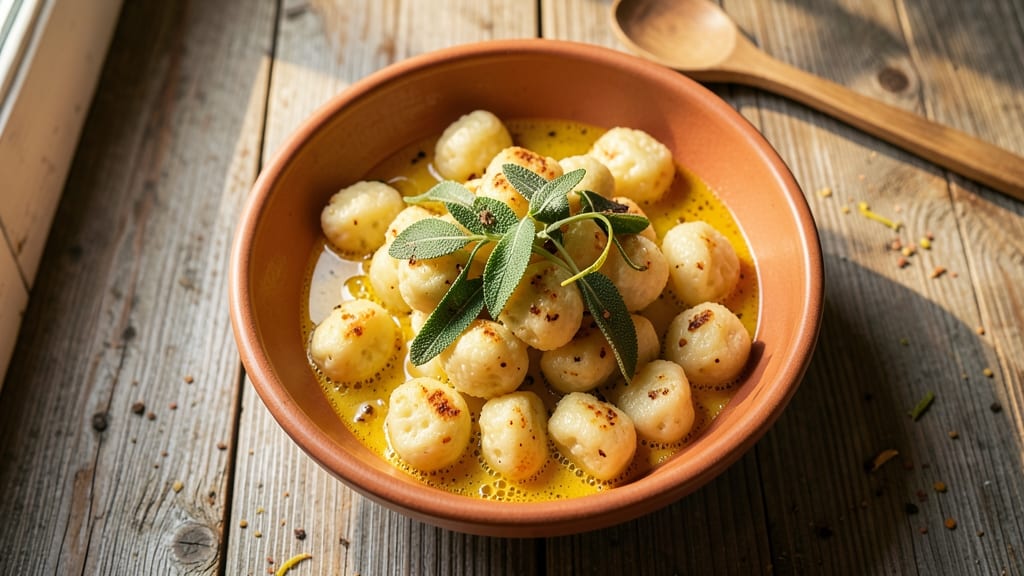
This authentic Italian potato gnocchi recipe delivers restaurant-quality pillowy clouds that dissolve on your tongue—no secret tricks, just traditional techniques perfected over generations. The key lies in the dough: starchy potatoes mashed with just enough flour to create light, airy dumplings that float like clouds in boiling water.
I've tested countless variations, and this method stays true to Roman and Tuscan traditions while being foolproof for home cooks.
The secret begins with proper potato selection—waxy varieties like red potatoes or Russets yield the best texture when boiled and mashed. After resting the dough for 30 minutes (critical for structure), you'll shape them by hand using a simple rolling technique that creates those signature ridges.
The real magic happens when they hit the boiling water—watch them float, then cook just 2 minutes for perfect al dente tenderness.
What makes these gnocchi truly authentic is the pan sauce: toss freshly cooked gnocchi in a sizzling skillet with butter, garlic, and fresh sage until golden brown. The sauce clings to each dumpling, creating a rich, buttery finish that balances their delicate texture.
Serve immediately with tomato sauce, brown butter, or a sprinkle of parmesan for a taste of Italy on your dinner table.
This recipe delivers restaurant-quality results at home, with variations for both Roman (lighter, fluffier) and Tuscan (denser, chewier) styles. The dough keeps well for 24 hours, and leftovers reheat beautifully in the oven. Let's get started on your first batch of authentic Italian gnocchi—your taste buds will thank you.
Ingredients for authentic italian potato gnocchi
Light, airy gnocchi starts with starchy potatoes and just the right flour-to-potato ratio.
| Ingredient | Amount | Notes |
|---|---|---|
| Russet Potatoes 🥔 | 2 ½ lb | Waxy variety, peeled and boiled |
| All-Purpose Flour 🌾 | 2 cups | Plus extra for dusting |
| Unsalted Butter 🧈 | ½ cup | Cold, cubed for pan sauce |
| Fresh Garlic Cloves 🧄 | 4 cloves | Minced for pan sauce |
| Fresh Sage Leaves 🌿 | ¼ cup | Chopped for pan sauce |
| Large Egg Yolks 🥚 | 2 whole | For binding (optional) |
| Diamond Crystal Kosher Salt 🧂 | 1 ½ tsp | For dough and water |
| Ground Black Pepper 🌶️ | ½ tsp | Freshly cracked |
| Extra-Virgin Olive Oil 🫒 | 2 tbsp | For dough and finishing |
| Parmesan Cheese 🧀 | ½ cup | Freshly grated, for serving |
| Freshly Ground Nutmeg 🌿 | ¼ tsp | For dough flavor |
| Tomato Sauce 🍅 | 1 ½ cups | For serving (optional) |
The potatoes are everything—Russets or red potatoes give that perfect waxy texture. Burlap sacks at Whole Foods often have the freshest, but any grocery store's russet section works. Peel them, boil until fork-tender, then mash while hot—no lumps! For extra authenticity, some Roman cooks add a pinch of salt to the boiling water, but I find it's better to season the dough directly. The dough needs to rest for 30 minutes—this isn't optional. It develops gluten strands that create those signature ridges when you roll them.
No egg yolks? Add 1 tbsp extra flour instead—they're just for binding. Fresh sage is ideal, but dried at one-third the amount works in a pinch (though it won't have that same aromatic punch). For the pan sauce, European-style butter (like Plugrá) has higher fat content and melts beautifully. If you can't find it, Land O'Lakes or Kerrygold are solid substitutes. The tomato sauce can be store-bought (I like Rao's for its simple, bright flavor), but homemade is always better if you've got the time.
Gnocchi dough keeps covered in the fridge for 24 hours—perfect for shaping ahead. Cooked gnocchi reheat best in a 350°F oven for 10 minutes with a splash of water to keep them moist. The pan sauce is best served immediately, but you can reheat it gently in a skillet with a little extra butter. Freeze cooked gnocchi for up to 3 months—just boil from frozen for 3-4 minutes. For a true Italian touch, serve with a sprinkle of freshly grated Parmigiano-Reggiano and a drizzle of the pan sauce.
Why You'll Love This Recipe
- No Fuss, No Fail: I mash, fold, roll—repeat. That’s it. No fancy tools, no second-guessing. The potatoes do all the heavy lifting while you mix flour just until the dough holds together. Honestly, even my roommate (who burns toast) can handle this.
- Butter-Sage Magic: One pan, golden butter, and those crispy garlic cloves sizzling until the sage leaves turn crispy at the edges. The gnocchi soaks up the flavor like a sponge—creamy insides, pillowy outsides, and that earthy garlic-sage punch that makes you reach for another forkful.
- Weeknight to Dinner Party: Same dough, endless possibilities. Toss it in a simple tomato sauce for a quick weeknight meal, or drizzle with brown butter and Parmesan for a restaurant-worthy dish. I’ve served it at potlucks, date nights, and even my mom’s birthday—no one ever asks for seconds before the plate’s empty.
- Budget-Friendly Leftovers: Russets are cheap, flour’s cheap, and this recipe stretches farther than you’d think. Make a double batch, freeze half, and reheat with a splash of water—still tender, still delicious. Between us, I’ve pulled these out of the freezer on lazy Sundays and called it a win.
Step-by-step instructions for authentic Italian potato gnocchi
Here's the traditional method that delivers light, pillowy gnocchi with perfect texture every time.
Prepare the Potato Dough
Boil the 2.5 lb russet potatoes in salted water until fork-tender, about 20-25 minutes. Drain immediately and let them cool slightly—you want them warm but not hot to the touch. While still warm, peel the potatoes and pass them through a ricer directly into a large mixing bowl. The ricer creates those signature gnocchi ridges and prevents a dense texture.
Let the potato purée cool completely to room temperature. This cooling step is crucial—it prevents the dough from becoming too sticky when you add the flour. While waiting, combine the 2 cups all-purpose flour, 1.5 tsp diamond crystal kosher salt, and 0.25 tsp freshly ground nutmeg in a separate bowl. The nutmeg adds that authentic Italian depth that separates homemade gnocchi from store-bought.
Form the Gnocchi Dough
Once the potatoes are cool, make a well in the center of the flour mixture and pour in the potato purée. Using a wooden spoon or your hands, gently fold the flour into the potatoes until just combined. You want a soft, slightly sticky dough that holds together when pressed but still feels tender—like wet sand. If it's too dry, add 1-2 teaspoons of water; if too sticky, add 1 tablespoon of flour.
Turn the dough onto a lightly floured surface and knead it gently just 5-6 times—only enough to bring it together. Overworking develops gluten and makes the gnocchi dense. Divide the dough into 4 equal portions (about 8 oz each) and cover with a damp towel to prevent drying while you work.
Shape the Gnocchi
Roll each portion into a long rope about 1-inch thick. Using a gnocchi board or the back of a fork, press the dough to create ridges along the length. Cut the rope into 1-inch pieces—these will be your gnocchi. For extra authenticity, roll each piece gently between your palms to create a slight tail. The ridges and tails help the gnocchi float in boiling water and cling to sauce.
Work in batches to prevent drying. As you finish each piece, place them on a floured baking sheet. If they start to stick, dust with a little more flour. This shaping process should take about 20 minutes for all 4 portions. The key is patience—rushing leads to uneven shapes and inconsistent cooking.
Cook the Gnocchi to Perfection
Bring a large pot of water to a rolling boil and add 1.5 tsp diamond crystal kosher salt. Once boiling, gently drop in 8-10 gnocchi (they'll float when ready). Stir with a slotted spoon and watch for them to surface—this happens in about 1-2 minutes. Use the spoon to press them down for 10 seconds, then let them rise again. Repeat this process 2-3 times until they float consistently.
When they're done, they'll have a delicate, almost translucent appearance and should be tender when pierced with a fork. Remove them with the slotted spoon and drain briefly on a paper towel-lined plate. Don't overcrowd the pot—cook in batches to maintain water temperature. The gnocchi are best served immediately, but you can hold them in warm water for up to 10 minutes if needed.
Create the Signature Pan Sauce
In a large skillet, melt the 0.5 cup unsalted butter over medium heat until foaming. Add the 4 minced fresh garlic cloves and 0.25 cup chopped fresh sage leaves, cooking just until the garlic is fragrant—about 30 seconds. This quick cooking preserves the garlic's sweetness and prevents bitterness. Add the cooked gnocchi to the skillet and toss gently to coat in the butter.
Season with 0.5 tsp freshly cracked ground black pepper and 2 tbsp extra-virgin olive oil for brightness. For an optional but traditional touch, sprinkle with 0.5 cup freshly grated parmesan cheese and toss until melted and creamy. Serve immediately with 1.5 cups tomato sauce on the side for dipping, or pour it directly over the gnocchi for a one-pot meal. The sauce should cling beautifully to each pillowy piece.
Pro Tips For Making Authentic Italian Potato Gnocchi
- USE COLD POTATOES: Peel and grate potatoes right after boiling—don’t let them sit warm or they’ll oxidize and turn your dough gray. Store them in cold water in the fridge for up to 2 hours while you prep the rest; this keeps them crisp and prevents gummy gnocchi.
- PUSH THROUGH FLOUR: When mixing flour into the potato mass, use your hands to press and fold—not stir. The goal is to coat the potatoes lightly, not make dough. If it sticks too much, let it rest 10 minutes before shaping.
- BOIL GNOCCHI IN BATCHES: Drop gnocchi into boiling water one handful at a time—overcrowding lowers the temp and makes them sink like dumplings instead of floating. A full boil means they’ll puff up properly.
- SAUTE GARLIC LOW AND SLOW: Cook garlic in butter over medium-low heat until it’s golden, not browned. High heat burns it fast, and you’ll taste bitterness instead of sweet, nutty flavor. Add sage leaves 30 seconds before serving so they crisp up.
Best sauces and condiments for these flavors
Classic Sage Butter
The signature pan sauce transforms simple gnocchi into a restaurant-worthy dish. Start with ½ cup unsalted butter melted in a skillet over medium heat until it foams.
Add 4 minced garlic cloves and ¼ cup chopped fresh sage, cooking just until fragrant (30 seconds—don’t let the garlic brown). Toss in the cooked gnocchi, season with ½ tsp black pepper, and finish with 2 tbsp extra-virgin olive oil for brightness.
This sauce clings perfectly to the pillowy gnocchi, creating that golden, aromatic crust. 🌿
Brown Butter Magic
For a deeper, nuttier flavor, brown the butter first—melt ½ cup butter over medium-high heat until it turns golden and smells nutty (3-4 minutes). Immediately add the garlic and sage, then proceed as above.
The browned butter adds a rich, caramelized depth that pairs beautifully with the delicate potato dumplings. Sprinkle with ½ cup freshly grated Parmesan at the end for extra umami. ⚡
Tomato Sauce Twist
Warm 1.5 cups tomato sauce (like Rao’s or homemade) in a saucepan until bubbly. Toss the cooked gnocchi in the sauce, then finish with a pat of butter and fresh basil. For a Tuscan touch, stir in 1 tbsp cream and a pinch of red pepper flakes.
This lighter sauce balances the richness of the gnocchi while keeping the dish vibrant and fresh. 🍅
Creamy Garlic Parmesan
Sauté 4 minced garlic cloves in 2 tbsp olive oil until soft, then add ½ cup heavy cream and ½ cup grated Parmesan. Simmer until thickened (2-3 minutes), then toss with the gnocchi.
Finish with ½ tsp nutmeg and a crack of black pepper. This sauce is decadent yet light, perfect for a cozy weeknight dinner. 🧀
Spicy Arrabbiata
For heat lovers, blend 1 cup tomato sauce with 1 tbsp red pepper flakes, 2 minced garlic cloves, and ½ tsp chili flakes. Simmer for 5 minutes, then toss with the gnocchi.
Top with fresh basil and a drizzle of extra-virgin olive oil. The spicy sauce cuts through the richness, making every bite exciting. 🌶️
Lemon-Herb Brightener
Whisk ½ cup heavy cream with zest and juice of 1 lemon, 2 tbsp chopped parsley, and 1 tbsp chopped chives. Pour over cooked gnocchi and toss gently. This zesty sauce is perfect for spring or summer, adding a refreshing contrast to the buttery gnocchi. 🍋
Nutrition facts
Frequently asked questions
Why do my gnocchi turn out dense instead of light and fluffy?
Overworking the dough develops gluten, which makes gnocchi dense. Only knead the dough 5-6 times—just enough to bring it together. Also, ensure your potatoes are fully cooled before mixing with flour, and use waxy potatoes like Russets for the best texture. The 30-minute rest is crucial too—it allows the starches to absorb properly.
Can I make gnocchi ahead of time?
Shape the gnocchi and refrigerate them on a floured tray for up to 24 hours before cooking. For longer storage, freeze them on a tray first (to prevent sticking), then transfer to a bag for up to 3 months. Cook from frozen by adding 1-2 extra minutes to the boiling time.
What's the best way to reheat cooked gnocchi?
Gnocchi reheat best in the oven to maintain their texture. Place them on a baking sheet at 350°F for 10 minutes with a splash of water to keep them moist. For a quick fix, pan-fry them in butter for 2-3 minutes until golden. Avoid microwaving—they'll turn gummy.
How do I know when gnocchi are fully cooked?
Gnocchi are done when they float to the surface and stay there. Press one gently with a fork—it should be tender with a slight resistance (al dente). They cook in just 1-2 minutes after floating. Overcooking makes them mushy, so watch closely!
What's the difference between Roman and Tuscan gnocchi?
Roman gnocchi are lighter and fluffier, often made with more potato and less flour. Tuscan versions are denser, sometimes including semolina or chestnut flour for a chewier texture. Both use the same basic technique, but the dough ratios and regional ingredients create distinct styles.