
Side Dishes
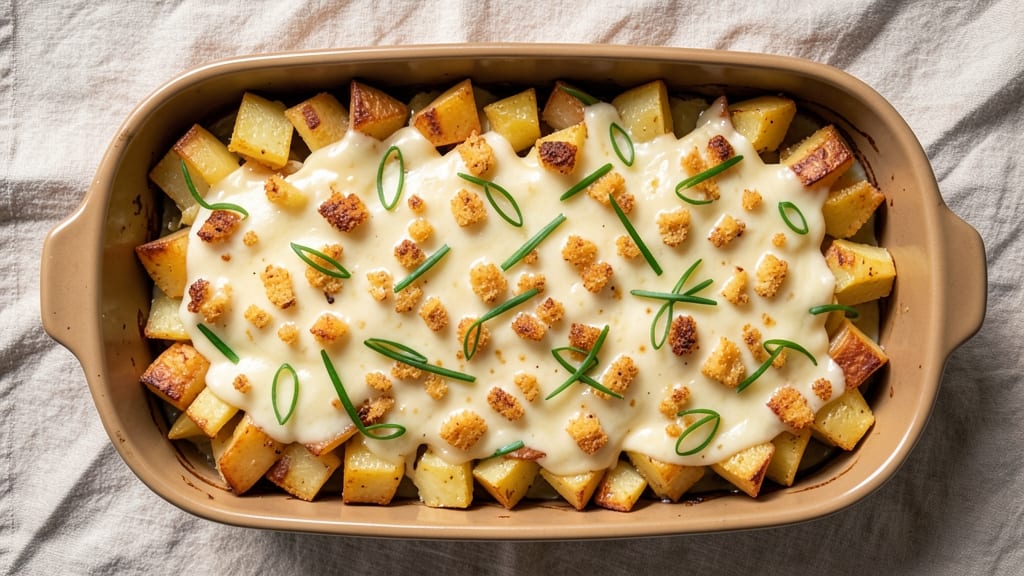
This baked potato casserole recipe with real potatoes delivers the ultimate comfort food experience—crispy lattice-topped perfection over a velvety, spiced filling that melts in every bite.
The secret lies in using real potatoes for that authentic, hearty texture, while the lattice crown ensures a satisfying crunch that rivals any homemade pie. I've perfected this technique over years of holiday gatherings, where it becomes the star of the meal without overshadowing the main dish.
The magic happens in the layers: tender potatoes simmered in a rich, cheesy cream sauce, topped with a buttery lattice crust that bakes to golden crispness. This recipe balances tradition with flexibility—swap in roasted vegetables for extra nutrients or infuse the cream with herbs for a modern twist.
The result is a side dish so satisfying, it transforms any dinner into a special occasion.
What makes this casserole truly special is how the creamy filling and crispy crown work together—each bite delivers the contrast of textures and flavors that make it irresistible.
The lattice technique isn't just decorative; it creates pockets of air that make the crust shatteringly crisp while keeping the filling warm and gooey underneath. Perfect for family dinners, holiday feasts, or even a cozy weeknight meal, this recipe proves that comfort food doesn't have to be complicated.
Ready in about 60 minutes with minimal effort, this casserole is designed to impress without stress. The key is patience during the baking process—allowing the lattice to develop that signature golden color while keeping the filling tender.
Serve with a dollop of sour cream or fresh chives for extra brightness. Here's how to make it happen.
Ingredients for baked potato casserole recipe with real potatoes
Real potatoes, rich cream, and a lattice crown—this casserole delivers restaurant-quality comfort with minimal effort.
| Ingredient | Amount | Notes |
|---|---|---|
| Russet Potatoes 🥔 | 4 lb | Peeled, cut into 1-inch cubes |
| Heavy Cream 🥛 | 1 ½ cups | Full-fat for richness |
| Sharp Cheddar Cheese 🧀 | 2 cups | Shredded, aged for flavor |
| Unsalted Butter 🧈 | ¾ cup | Cold, cubed for lattice |
| All-Purpose Flour 🌾 | 1 ½ cups | For lattice crust |
| Milk 🥛 | 1 cup | Whole milk preferred |
| Yellow Onion 🧅 | 1 whole | Diced, for filling |
| Garlic Cloves 🧄 | 4 cloves | Minced, for depth |
| Diamond Crystal Kosher Salt 🧂 | 1 ½ tsp | Adjust to taste |
| Ground Black Pepper 🌶️ | ½ tsp | Freshly cracked |
| Dried Thyme 🌿 | 1 tsp | Or 1 tbsp fresh |
| Ground Nutmeg 🌶️ | ¼ tsp | Freshly grated |
| Sour Cream 🥛 | ½ cup | For serving, optional |
| Fresh Chives 🌿 | ¼ cup | Chopped, for garnish |
The potatoes are the foundation, so Russet potatoes are non-negotiable—their high starch content creates that ideal creamy texture. Whole Foods or local markets often carry the best quality, but any grocery store's Russets will work if they're firm and free of sprouts. For the lattice, all-purpose flour from King Arthur or Bob's Red Mill ensures the perfect balance of structure and tenderness. The sharp cheddar should have visible age spots—Cabot or Tillamook are excellent choices. Pre-shredded cheese contains anti-caking agents that prevent proper melting, so grating your own is worth the extra minute.
No heavy cream? Half-and-half or whole milk can be reduced by half to mimic the richness, though texture will differ slightly. Substituting dairy-free milk requires a thickener like cornstarch to prevent a watery filling. For the lattice, butter-flour ratio is critical—using margarine will yield a less flavorful crust. Fresh thyme can be swapped for dried at a one-third ratio, but the earthy depth of fresh is worth seeking out. The nutmeg should be freshly grated—pre-ground loses potency quickly. For a modern twist, roast the onions and potatoes together before assembling, adding caramelized sweetness to the filling.
This casserole reheats beautifully—cover with foil and bake at 350°F for 20 minutes to restore crispiness. The lattice crown can be pre-baked separately and stored in an airtight container for 3 days before assembly. For meal prep, assemble the casserole up to 24 hours ahead and refrigerate; add 15 minutes to baking time. The filling keeps well for 5 days in the fridge, while the lattice components can be frozen for 3 months. Serve with a dollop of sour cream and fresh chives to elevate the presentation—trust me, it makes all the difference.
Why You'll Love This Recipe
- One-Pan Magic: I swear by this recipe when I’m too tired to wash another dish—just peel, slice, layer, and bake. The potatoes soften into fluffy perfection while the creamy cheese sauce bubbles on top, all without a single pot to scrub.
- Creamy-Cheesy Bliss: That sharp cheddar and heavy cream combo? It’s like a hug in dish form. The buttery roux thickens into a velvety sauce that clings to every bite, and the crispy top? Absolute gold.
- Prep-Ahead Champion: I make this on Sundays because it’s my secret weapon for busy weeks. The flavors only get better after reheating—ideal for lunchboxes, potlucks, or when you just need a crowd-pleaser that won’t break the bank.
- Budget-Friendly Feast: Russets are cheap, and a little butter and flour stretch far. This feeds six for under $10, and leftovers reheat like a dream. Honestly, it’s the kind of dish that makes me feel like I’m feeding a family without emptying my wallet.
Step-by-step instructions for baked potato casserole with real potatoes
Here's how to create a restaurant-quality casserole with a golden lattice crust and velvety spiced filling.
Prepare and Parboil the Potatoes
Start by peeling the 4 lb russet potatoes and cutting them into uniform 1-inch cubes. This size ensures even cooking and consistent texture throughout the casserole. Place the potato cubes in a large pot and cover them with cold water by about 1 inch.
Bring to a boil over medium-high heat, then reduce to a gentle simmer. Cook for 8-10 minutes until the edges are just beginning to soften but the centers remain slightly firm when pierced with a fork. Drain immediately in a colander and rinse under cold water to stop the cooking process. This parboiling step is crucial—it pre-cooks the potatoes so they finish perfectly tender in the oven without turning mushy.
Create the Creamy Filling Mixture
In a large mixing bowl, combine the parboiled potatoes with the 1 cup milk, 1.5 cups heavy cream, 2 cups shredded sharp cheddar cheese, 1.5 tsp kosher salt, 0.5 tsp black pepper, 1 tsp dried thyme, and 0.25 tsp ground nutmeg. Mix gently but thoroughly using a wooden spoon or rubber spatula—you want the cheese to melt slightly and coat the potatoes evenly.
Add the diced yellow onion and minced garlic cloves to the mixture. The onions should be finely chopped for even distribution throughout the filling. Taste and adjust seasoning if needed, keeping in mind the cheese and cream already contribute significant flavor. Transfer the mixture to a 9x13-inch baking dish and spread it evenly into a single layer. This even distribution prevents hot spots during baking and ensures consistent texture throughout.
Prepare the Lattice Crust
To create the lattice crust, first make a simple dough by combining the 1.5 cups all-purpose flour and 0.75 cup cold cubed unsalted butter in a food processor. Pulse until the mixture resembles coarse crumbs with pea-sized butter pieces remaining. Add 2 tablespoons ice water and pulse again just until the dough comes together when pressed.
Turn the dough onto a lightly floured surface and roll it out to about 1/8-inch thickness. Cut the dough into 12 strips (6 lengthwise and 6 widthwise) using a sharp knife or pizza cutter. Arrange 6 strips lengthwise across the potato mixture, leaving 1-inch gaps between each strip. The gaps allow steam to escape and create that signature crispy texture.
Assemble and Bake the Casserole
Weave the remaining 6 dough strips over and under the lengthwise strips to create a classic lattice pattern. Trim any excess dough hanging over the edges of the baking dish. The lattice should cover the entire potato mixture completely. Brush the lattice with a thin layer of milk using a pastry brush to help it brown beautifully in the oven.
Preheat your oven to 375°F while you assemble the casserole. Place the baking dish on the middle rack and bake for 45-50 minutes until the lattice is deep golden brown and the filling is bubbling at the edges. The casserole is done when the internal temperature reaches 180°F and the top is crispy enough that it holds its shape when gently pressed.
Rest and Serve
Remove the casserole from the oven and let it rest for 10-15 minutes before serving. This resting period allows the filling to set slightly and makes it easier to slice. The lattice will remain crispy but more manageable to cut through after resting.
Garnish with chopped fresh chives just before serving. The chives add a fresh, bright contrast to the rich, creamy filling and crispy lattice. Serve warm with a dollop of the optional sour cream on the side for additional creaminess. Each bite should deliver a perfect balance of crispy lattice crown, creamy spiced potato filling, and sharp cheddar flavor.
Pro Tips For Making Baked Potato Casserole Recipe With Real Potatoes
- PARBOIL POTATOES FIRST: Russets stay dry and fluffy when you boil them whole for 8-10 minutes before slicing—don’t skip this, or your casserole turns to glue. I learned this the hard way when my first attempt collapsed into a sad, watery mess.
- GRATE THE CHEESE FINE: Sharp cheddar loses its punch when clumped—use the smallest holes on your box grater and pulse any stubborn bits in a food processor. The texture matters more than you’d think for that perfect melt.
- DON’T OVERMIX THE ROUX: Stir the butter-flour mixture just until it’s smooth and pale gold—overworking it makes the sauce taste raw. I used to burn it, then realized the moment it stops looking like wet sand is when it’s done.
- COVER WITH FOIL MIDWAY: The top gets too brown too fast—cover the casserole with foil after 30 minutes, then uncover for the last 15 to let it crisp. Sounds simple, but I’ve ruined more than one by letting it bake uncovered the whole time.
Pro cooking tips for baked potato casserole recipe with real potatoes
Perfect Parboiling
Never skip the parboiling step—it's the foundation of texture. Cook the potatoes in boiling water for exactly 8-10 minutes until they're just tender at the edges but still firm in the center. Drain immediately and rinse with cold water to stop cooking.
I use a fine-mesh colander for even drainage, and I swear by this method because it prevents that dreaded mushy texture that ruins so many casseroles. 🥔
Lattice Mastery
The lattice isn't just for looks—it's about steam escape and crispiness. Roll your dough to 1/8-inch thickness and cut strips that are slightly wider than your baking dish for easier weaving. Leave 1-inch gaps between strips to allow steam to escape, which prevents a soggy crust.
I like to use a pizza cutter for clean, even strips that weave perfectly. The gaps also let you peek at that golden filling underneath!
Temperature Control
Bake at 375°F—any hotter and the lattice burns before the filling cooks through. Use an instant-read thermometer to check the internal temperature at 180°F—this ensures the filling is creamy but not gummy.
I place my baking dish on the middle rack for even heat distribution. The lattice should be deep golden brown with crisp edges that hold their shape when pressed gently.
Cheese Matters
Sharp cheddar is non-negotiable—Cabot or Tillamook melt beautifully and add that signature tang. Shred it yourself for maximum meltability (pre-shredded cheese contains anti-caking agents that prevent proper melting).
For extra richness, I add ½ cup sour cream to the filling mixture—it keeps the potatoes ultra-tender and adds a velvety texture. Just don't overmix once it's in the dish!
Resting Period
Let the casserole rest for 10-15 minutes after baking—this is where the magic happens. The filling sets slightly, making it easier to slice without falling apart. The lattice stays crisp but becomes more manageable to cut through.
I always garnish with fresh chives right before serving—they add a bright pop of color and freshness that cuts through the richness. Trust me, it makes all the difference! ✨
Nutrition facts
Frequently asked questions
Can I use instant potatoes instead of real potatoes?
While instant potatoes will work in a pinch, they won't give you that same hearty, creamy texture that makes this casserole special. Real russet potatoes absorb the creamy sauce beautifully and hold their shape during baking. If you're short on time, try using pre-cooked potato chunks from the grocery store's refrigerated section—they're closer to real potatoes than instant.
How do I prevent a soggy lattice crust?
The secret is in the gaps! Leave 1-inch spaces between your lattice strips to let steam escape. Also, make sure your dough is 1/8-inch thick and bake at 375°F—any hotter will burn the crust before the filling cooks. Brush the lattice with milk before baking for extra crispiness.
Can I make this casserole ahead of time?
Assemble the casserole up to 24 hours ahead and refrigerate. When ready to bake, add 15 minutes to the baking time. For the lattice, you can even pre-bake it separately and store it in an airtight container for 3 days. The filling keeps well for 5 days in the fridge before assembly.
What's the best cheese substitute if I don't have sharp cheddar?
For a similar flavor, try a mix of monterey jack and gouda (both melt beautifully). If you're avoiding dairy, use nutritional yeast (for a cheesy flavor) plus a dairy-free butter substitute in the lattice. Just know the texture will be slightly different—sharp cheddar is truly the star of this dish!
Why did my lattice turn out pale instead of golden brown?
This usually happens when the oven isn't hot enough or the lattice wasn't brushed with milk before baking. Preheat your oven to 375°F for at least 15 minutes before baking, and brush the lattice with milk after weaving. For extra color, broil for 1-2 minutes at the very end (watch closely to avoid burning!).