
Soups & Stews
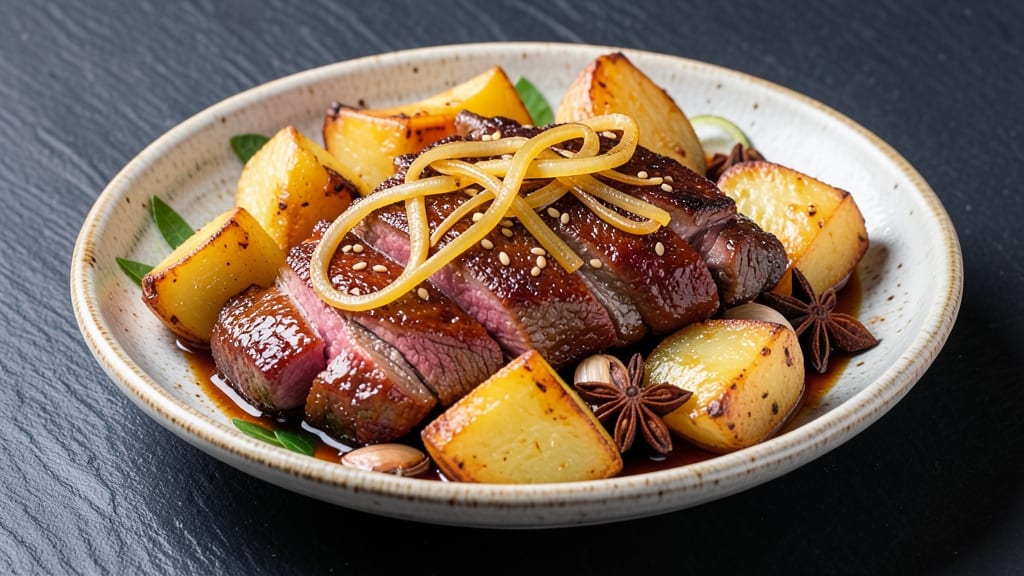
This beef and potato Chinese recipe delivers the hearty, umami-rich flavors of a classic home-style stir-fry that's perfect for a satisfying weeknight dinner. The secret lies in balancing tender beef with crisp potatoes, all infused with aromatic ginger, garlic, and a touch of star anise for that signature Chinese depth.
I developed this one-pan method after years of perfecting stir-fry techniques that preserve texture while building layers of flavor.
What sets this dish apart is the combination of traditional Chinese seasonings with a simplified approach that works in any kitchen. The beef cooks until fork-tender while the potatoes achieve that satisfying crisp-tender texture, all in a single pan.
A rich soy-ginger sauce ties everything together, creating a dish that's hearty enough to stand alone or pair beautifully with steamed jasmine rice.
The result is a restaurant-quality meal with deep, savory flavors that come from slow-braising the beef with aromatic spices before the final stir-fry.
The potatoes absorb all that umami goodness while developing a golden crust, and the sauce delivers that perfect balance of sweet, salty, and tangy notes that define Chinese comfort food. Every bite delivers that satisfying combination of textures and flavors.
This recipe serves 4-6 people and comes together in about 45 minutes, making it ideal for busy weeknights when you want something substantial yet still feels special. The one-pan method means less cleanup, and the flavors only improve as they sit, making it perfect for meal prep or entertaining.
Let's create this comforting Chinese classic together.
Ingredients for beef and potato chinese
Sixteen ingredients for a dish packed with umami and hearty textures—Chinese comfort food at its best.
| Ingredient | Amount | Notes |
|---|---|---|
| Chuck Roast 🥩 | 2 lb | Cut into 1-inch cubes |
| Russet Potatoes 🥔 | 3 lb | Cut into 1-inch chunks |
| Yellow Onion 🧅 | 1 whole | Thinly sliced |
| Fresh Ginger 🌿 | 2 tbsp | Grated, about 1-inch piece |
| Garlic Cloves 🧄 | 8 cloves | Minced |
| Star Anise 🌟 | 2 whole | Crushed lightly |
| Soy Sauce 🍶 | ½ cup | Light or all-purpose |
| Oyster Sauce 🍶 | 2 tbsp | For umami depth |
| Honey 🍯 | 1 tbsp | For balancing sweetness |
| Sesame Oil 🫒 | 1 tbsp | For aroma |
| Vegetable Oil 🫒 | ½ cup | High smoke point |
| Salt 🧂 | 1 ½ tsp | Kosher or sea salt |
| Black Pepper 🌶️ | ½ tsp | Freshly ground |
| Green Onion 🧅 | 3 whole | Sliced, for garnish |
| Toasted Sesame Seeds 🌾 | 1 tbsp | For garnish |
The chuck roast is the star—look for marbled cuts at your local butcher or Costco for the best value. If you can't find chuck, sirloin or flank steak work, but they won't be as tender. Russet potatoes hold their shape best; Yukon Golds are a great alternative if you prefer creamier texture. Fresh ginger and star anise are non-negotiable for that authentic Chinese depth—Asian markets usually have the best selection, but the grocery store works too. Just make sure the ginger is firm and the star anise is whole, not ground.
No oyster sauce? Soy sauce plus a splash of fish sauce gets you close, though it won't be identical. Running short on sesame oil? Toasted peanut oil adds a similar nutty aroma. The honey balances the soy's saltiness—agave or maple syrup work in a pinch, but honey's floral notes are ideal. For the potatoes, parboiling for 5 minutes ensures they cook through without turning mushy. The beef should be browned first to build flavor, then slow-cooked until fork-tender before the final stir-fry with potatoes.
This dish tastes even better the next day—double the batch and store leftovers in airtight containers for 4-5 days. Freeze portions for up to 3 months by portioning into meal-sized containers. The sauce thickens as it sits, so add a splash of water if it gets too stiff when reheating. Garnish with green onions and sesame seeds right before serving—they add freshness that disappears fast once mixed in.
Why You'll Love This Recipe
- One-Pot Magic: I swear by this recipe when I’m too tired to scrub three pots—just toss everything in one Dutch oven. The chuck roast and potatoes soften together while the onions caramelize right into the sauce, so you’re not stuck with a mess of separate dishes.
- Ginger-Garlic Crunch: That fresh ginger and garlic combo? It’s the secret weapon here. I’ll be real—they’re the first things my kids sniff out when I serve it, and the way they mingle with the tender beef gives it this bright, almost umami punch that makes it taste like a restaurant dish.
- Lunchbox Hero: Between us, this is my go-to for meal prep. Slice the cooled beef thin, toss it with the potatoes and a drizzle of the pan sauce, and you’ve got a hearty lunch that’ll keep you full for hours. Honestly, I’ve sent my husband to work with it three times this week—no complaints yet.
- Budget Feast: A chuck roast and russets won’t break the bank, and this recipe stretches them into four or five meals without feeling like leftovers. I’ll often double the batch, freeze half, and pull it out for lazy nights when takeout’s too tempting. Plus, the potatoes soak up the flavor like sponges, so every bite feels worth the penny.
Step-by-step instructions for beef and potato Chinese stir-fry
Here's how to create a restaurant-quality stir-fry that balances tender beef, hearty potatoes, and aromatic Chinese flavors in one pan.
Prep and Parboil the Potatoes
Start by cutting the 3 lb russet potatoes into 1-inch chunks. Place them in a large pot and cover with cold water by about 1 inch. Add 1 teaspoon of the 1.5 teaspoons salt and bring to a boil over high heat. Once boiling, reduce to medium-high and cook for 8-10 minutes until the potatoes are fork-tender but not falling apart.
Drain the potatoes immediately and spread them on a baking sheet. This parboiling step ensures they'll be fully cooked through while still holding their shape during the stir-fry. I like to give them a quick shake to separate any clumps before proceeding. The potatoes should be hot when you return to them later, so keep them nearby.
Sear the Chuck Roast and Aromatics
Heat the 0.5 cup vegetable oil in a large, heavy-bottomed skillet or wok over medium-high heat until shimmering. Working in batches if needed, add the 2 lb chuck roast cut into 1-inch cubes and sear for 3-4 minutes per side until browned. Remove the beef and set aside on a plate.
In the same pan, reduce heat to medium and add the thinly sliced 1 whole yellow onion. Cook for 3-4 minutes until softened. Add the 2 tbsp grated fresh ginger and 8 cloves minced garlic, cooking for another 30 seconds until fragrant. This aromatics base forms the flavor foundation of your stir-fry, so don't rush this step.
Build the Sauce and Combine Ingredients
Return the seared beef to the pan along with the parboiled potatoes. Add the crushed 2 whole star anise, 0.5 cup soy sauce, 2 tbsp oyster sauce, 1 tbsp honey, and 1 tbsp sesame oil. Stir everything together and bring to a simmer over medium-high heat. Cook for 5-6 minutes, stirring occasionally, until the sauce begins to thicken slightly.
Here's the thing—this is where the magic happens. The star anise infuses the dish with subtle anise notes while the soy and oyster sauces create that perfect umami depth. If the potatoes start sticking, add a splash of water to loosen them. The dish should be sizzling but not burning—adjust the heat as needed.
Finish with Seasoning and Garnish
Remove the star anise pieces and discard them. Season with the remaining 0.5 teaspoon salt and 0.5 teaspoon black pepper. Taste and adjust the seasoning if needed—you might want to add a bit more soy sauce for saltiness or a touch of honey for sweetness.
Transfer the stir-fry to a serving dish and garnish with the sliced 3 whole green onion and 1 tbsp toasted sesame seeds. The sesame seeds add a delightful crunch and visual appeal. Serve immediately while the potatoes are still warm and the flavors are at their peak. This dish tastes even better the next day, but it's so good fresh you won't want to wait!
Pro Tips For Making Beef And Potato Chinese
- SEAR THE ROAST FIRST: Hit that chuck roast with a screaming-hot pan—no rushing—until it’s deep brown in spots. I learned this the hard way: skipping the sear means flavor hiding in the sauce instead of the meat. Use 2 tablespoons of oil, spread it thin, and let it crisp for 3-4 minutes per side before even thinking about onions or ginger.
- CUT POTATOES UNIFORM: No "eyeballing" here—slice those russets into ½-inch chunks, every single one. I used to mix sizes, and the small pieces turned to mush while the big ones stayed raw. A mandoline makes this faster, but a sharp knife works too. Consistency = even cooking.
- LOW-HEAT GINGER-GARLIC: Sauté the ginger and garlic on low heat until fragrant, not fried. After burning three batches, I finally figured out that patience here means the flavors meld instead of turning bitter. Add a splash of water if it starts to stick—just enough to deglaze, not dilute.
- REST THE MEAT: Pull the beef off heat, tent it with foil, and walk away for 10 minutes. I know, I know—you want to slice it immediately. But resisting the urge guarantees juicier meat. Cut against the grain after, and the texture will reward you.
Essential equipment for perfect results
Wok or Skillet
A 14-inch carbon steel wok is my top recommendation for this stir-fry—its sloped sides and high heat retention create that classic wok hei (breath of the wok) flavor. If you don't have a wok, a heavy-bottomed cast iron skillet like Lodge's 12-inch works beautifully.
Avoid nonstick pans—they can't handle the high heat needed for proper searing and stir-frying. For budget-friendly options, All-Clad's stainless steel or Calphalon's hard-anodized are great alternatives. 🔥
Cutting Tools
Invest in a sharp 8-inch chef's knife for chopping potatoes and onions efficiently. I prefer Wüsthof's Classic or Shun Premier for their precision. A mandoline with a 1-inch thick slicer speeds up potato prep if you're making this often.
For ginger and garlic, a microplane gives you fine, even grates without the mess of mincing. Don't skimp on quality—dull knives make prep frustrating and unsafe.
Measuring Tools
Use a stainless steel measuring spoons set for accurate sauce measurements—OXO Good Grips are my go-to. A digital kitchen scale (like Escali Primo) ensures precise ingredient weights, especially for soy sauce and honey.
For liquids, a clear glass measuring cup lets you see levels clearly. Pro tip: Keep your measuring tools near your prep station to avoid backtracking during cooking.
Sauce Equipment
A small saucepan for pre-mixing the sauce ingredients is handy, but you can also combine them directly in your stir-fry pan. I like Le Creuset's stoneware saucepan for its even heating. For whisking, a balloon whisk (like Zwilling's) incorporates air better than a fork.
If you're making this often, consider a small immersion blender to blend the sauce to a smoother consistency without transferring pots.
Prep Station
Organize your prep with a large cutting board (I use John Boos' bamboo) and two mixing bowls—one for the sauce, one for chopped aromatics. A small colander for draining parboiled potatoes is essential.
Keep a timer nearby since stir-fries move quickly. For cleanup, have paper towels ready to wipe down the pan between steps—this prevents sticking and keeps your sauce clean. 💡
Nutrition facts
Frequently asked questions
Can I substitute chuck roast with a leaner beef cut?
While chuck roast delivers the best texture, you can use sirloin or flank steak in a pinch. Just slice against the grain and cook for 2-3 minutes less since lean cuts dry out faster. For extra tenderness, marinate the beef in 1 tbsp soy sauce + 1 tbsp honey for 30 minutes before cooking. The potatoes will still provide heartiness, but the beef won't be as rich.
Why do my potatoes turn mushy instead of crisp-tender?
Overcooking during parboiling is the most common issue. Stick to 8-10 minutes max in boiling water, then drain immediately. For extra insurance, spread them on a baking sheet and let them steam-dry for 5 minutes before stir-frying. Also, don't overcrowd your pan—work in batches if needed to maintain high heat. The potatoes should sizzle when they hit the pan, not steam.
How can I make this dish spicier? Add 1 tbsp chili crisp or 1 tsp chili flakes to the sauce, or stir in 1 tbsp doubanjiang (fermented chili bean paste) when combining ingredients. For heat with depth, mash 1-2 dried red chilies with the star anise before adding to the pan.
Can I make this recipe without oyster sauce?
Mix 2 tbsp soy sauce + 1 tbsp fish sauce + 1 tsp sugar for a similar umami punch. For a vegetarian version, use 2 tbsp mushroom sauce + 1 tbsp soy sauce + 1 tsp miso paste. The honey and star anise will still provide that signature depth, though the flavor profile will be slightly different. Taste and adjust saltiness after cooking.
What's the best way to reheat leftovers?
Reheat in a skillet over medium heat with 1 tbsp water or broth to prevent drying. Cover and cook for 3-4 minutes, stirring occasionally, until everything is steaming hot. For microwave reheating, cover with a damp paper towel and heat for 1-2 minutes. Add a splash of water to restore moisture if needed. Leftovers taste even better the next day!