
Side Dishes
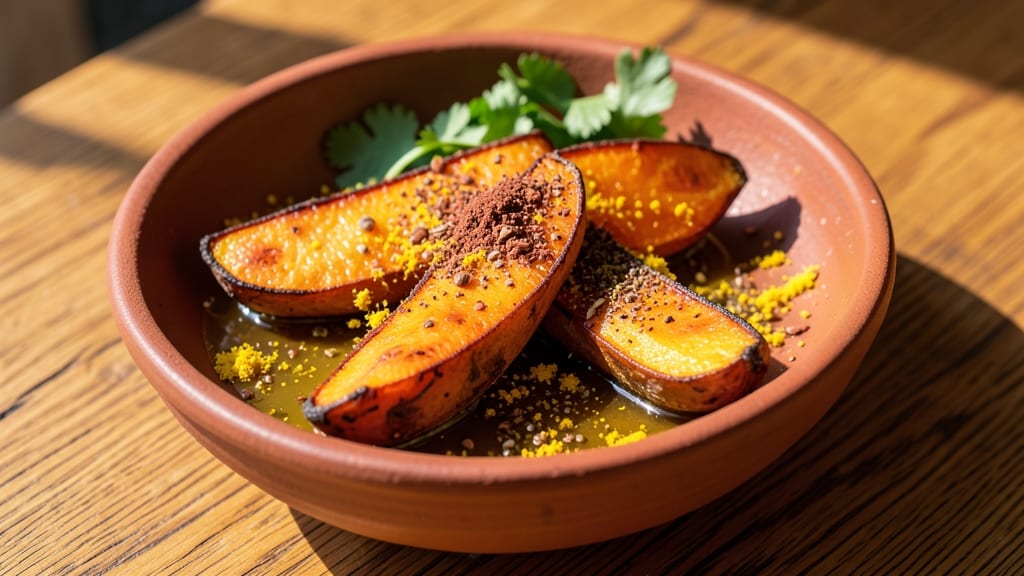
This Bengali sweet potato recipe transforms humble sweet potatoes into a fragrant, spiced side dish with golden charred edges—perfect for festive meals or weeknight dinners. 🌟 The secret lies in tempering mustard oil with whole spices, creating a symphony of flavors that balances sweetness and earthy warmth.
Unlike ordinary roasted potatoes, this method infuses each bite with aromatic turmeric, cumin, and a touch of garam masala, making it a staple in Bengali households.
The recipe begins with cubed sweet potatoes tossed in a blend of turmeric, cumin, and coriander powder, then roasted until tender with crispy edges. Mustard oil, heated with whole spices like mustard seeds and fenugreek, adds a signature depth that elevates the dish beyond ordinary roasted potatoes.
This technique ensures the potatoes stay moist inside while developing a caramelized crust—a hallmark of Bengali cooking.
What sets this apart is the balance of spices: turmeric for color and earthiness, cumin for warmth, and garam masala for complexity. The result is a dish that pairs beautifully with steamed rice, dal, or even as a standalone side.
It’s the kind of recipe that feels both comforting and celebratory, rooted in tradition yet simple enough for everyday cooking.
Ready in about 40 minutes, this dish delivers restaurant-quality results with minimal effort. The aromatic spices linger long after the last bite, making it a favorite for gatherings or solo meals. Let’s dive into the steps to recreate this Bengali classic in your kitchen.
Ingredients for bengali sweet potato
Transform humble sweet potatoes into fragrant, charred-edged perfection with these aromatic spices and mustard oil.
| Ingredient | Amount | Notes |
|---|---|---|
| Sweet Potatoes 🍠 | 2 lbs | Medium-sized, peeled and cubed |
| Mustard Oil 🫒 | ½ cup | Lightly toasted for aroma |
| Yellow Turmeric Powder 🌿 | 1 tbsp | Freshly ground preferred |
| Ground Cumin 🌿 | 1 tbsp | Toasted for deeper flavor |
| Ground Coriander 🌿 | 1 tbsp | For citrusy brightness |
| Garam Masala 🌶️ | 1 tsp | For aromatic complexity |
| Mustard Seeds 🌱 | 1 tsp | Whole, light toasted |
| Fenugreek Seeds 🌱 | ½ tsp | Lightly crushed |
| Asafoetida 🌿 | ⅛ tsp | Pinch for depth |
| Salt 🧂 | 1 tsp | Kosher or sea salt |
| Olive Oil 🫒 | 1 tbsp | For crispy edges |
The sweet potatoes are the star—look for firm, vibrant orange ones with smooth skin at Whole Foods or your local Indian market. Medium-sized potatoes (about 6-8 oz each) ensure even cooking. Peeled and cubed into 1-inch pieces, they’ll develop that signature caramelized crust. For the mustard oil, Kashmir or Indian brands like Farm Fresh or Garden of Spices work best—their light toasted flavor is essential. If you can’t find mustard oil, light olive oil is a decent substitute, though it lacks the signature aroma.
No mustard seeds? Cumin seeds at double the amount add warmth, though they won’t replicate that signature mustard kick. Fenugreek seeds are non-negotiable for authenticity—if you skip them, the dish loses its signature depth. The asafoetida (hing) is the secret ingredient—just a pinch transforms the flavor. For garam masala, MDH or Everest brands are widely available and reliable. If you’re short on time, a blend of cinnamon, cardamom, and cloves (each ¼ tsp) works in a pinch. The olive oil is for crispy edges—don’t skip it, even if you’re using mustard oil for cooking.
Store leftover sweet potatoes in an airtight container for up to 3 days—they reheat beautifully in a skillet with a splash of water. For longer storage, freeze them for up to 3 months. The spices keep their potency for 6-12 months in a cool, dark place. I always double the batch—this dish pairs perfectly with steamed rice or dal, so having extras is a must. The mustard oil? Store it in the fridge after opening to preserve its flavor.
Why You'll Love This Recipe
- Foolproof Stovetop: I swear by this method—just peel, cube, and simmer. No fancy techniques, no last-minute grocery runs. The sweet potatoes soften perfectly in their own steam while the spices bloom in mustard oil, and honestly? That’s where the magic happens.
- Earthy Warmth: Mustard oil might sound bold, but trust me—it’s the secret. A single tablespoon infuses the sweet potatoes with a deep, nutty richness that pairs insanely well with the earthy cumin and coriander. It’s not just flavor; it’s comfort in every bite, especially when the turmeric stains your fingers golden.
- Lunchbox Hero: Between us, this is my go-to for packed lunches. The spices stay vibrant for days, and the texture holds up—no sad, mushy leftovers here. Toss it with rice for a full meal, or serve it cold as a snack. My kids actually finish their lunch when this is involved.
- Pantry Staple: Sweet potatoes and spices? You’re already halfway there. Mustard oil might seem niche, but a small bottle lasts forever, and the rest are basics. I’ve made this on a $5 grocery run, and it’s still the star of the table—no fancy ingredients, just pure satisfaction.
Step-by-step instructions for turmeric-spiced roasted sweet potatoes
This method transforms simple sweet potatoes into a fragrant, caramelized Bengali masterpiece.
👨🍳 Step 1: Prepare the Spice Paste
In a small bowl, combine the 1 tablespoon yellow turmeric powder, 1 tablespoon ground cumin, 1 tablespoon ground coriander, 1 teaspoon garam masala, 1 teaspoon mustard seeds, 0.5 teaspoon fenugreek seeds, 0.125 teaspoon asafoetida, and 1 teaspoon salt. Lightly crush the fenugreek seeds between your palms to release their aroma before adding.
Add 0.5 cup mustard oil and mix into a smooth paste using a spoon or fork. The oil should fully incorporate the spices without any dry powder remaining. This aromatic blend forms the soul of your dish—don't skip the mustard oil, as it carries the authentic Bengali flavor profile. Let the mixture sit for 5 minutes while you prepare the sweet potatoes.
🔥 Step 2: Roast Until Caramelized
Preheat your oven to 425°F with the rack positioned in the middle. Line a large baking sheet with parchment paper and arrange the 2 lbs cubed sweet potatoes in a single layer, leaving ½-inch gaps between each piece for even browning. Drizzle the sweet potatoes with 1 tablespoon olive oil and toss gently to coat.
Spread the spice paste evenly over the sweet potatoes, pressing it into the crevices so each cube gets full flavor coverage. Roast for 20 minutes, then flip each piece using tongs. Continue roasting for another 20-25 minutes until the edges develop deep golden-brown char and the flesh becomes tender when pierced with a fork. The sweet potatoes should smell intensely aromatic—this is your cue they're nearly done.
🍳 Step 3: Finish with Mustard Oil Perfection
Remove the baking sheet from the oven and immediately drizzle the hot sweet potatoes with the remaining 0.25 cup mustard oil (reserve about 1 tablespoon for finishing). The oil will sizzle slightly—this is normal and enhances the flavor. Toss the sweet potatoes gently to coat them evenly with the fragrant oil.
Return the baking sheet to the oven for 5-7 minutes to let the oil infuse completely. The sweet potatoes should now have glossy, caramelized edges with a delicate crust. For extra depth, sprinkle with an additional pinch of salt and garam masala right before serving. The contrast between the golden exterior and tender interior makes this dish truly special.
Pro Tips For Making Bengali Sweet Potato
- Peel After Roasting: Sweet potatoes are stubborn—peeling them raw makes them oxidize fast and turn mushy when cooked. Instead, roast them whole with skin on (400°F/200°C for 45 mins), then peel while still warm. The skin slides off like butter, and you avoid the mess of pre-peeling. (Yes, even if you’re impatient like me, wait for that 10-minute cool-down—it’s worth it.)
- Bloom the Spices First: Dumping ground cumin and coriander straight into hot mustard oil? You’re wasting their flavor. Heat the oil on medium-low until it shimmers, then add the spices and let them sizzle for 20 seconds—just until you smell that toasty aroma. This makes a real difference in depth, not just a generic spice hit.
- Skip the Overcrowding: I learned this the hard way—dumping cubed sweet potatoes into a pan with oil already splattered everywhere leads to steaming, not frying. Cook them in two batches if needed, giving each round 3-4 minutes of undisturbed sizzling. You want caramelized edges, not sad, soggy cubes.
- Temper the Mustard Oil: Mustard oil is potent—raw, it’ll burn your throat. Heat it just to the point where it’s hot but not smoking (160°F/70°C), then let it cool for 2 minutes before pouring over the sweet potatoes. This mellows the heat while keeping all that rich flavor intact. (Your future self will thank you.)
Pro cooking tips for perfect results
Mustard Oil Mastery
Mustard oil is the soul of this dish—never substitute it with regular oil if you want that authentic Bengali flavor. I recommend using lightly toasted mustard oil from brands like Farm Fresh or Garden of Spices for the best aroma.
Heat it in a small pan over low heat for 2-3 minutes until it smells nutty but isn’t smoking. This step removes any bitterness and enhances the natural flavor. If you’re using store-bought mustard oil, check the label for "lightly toasted"—this ensures you’re getting the right texture and taste. 🫒
Spice Paste Consistency
The spice paste should be smooth and fully incorporated into the oil—no dry powder should remain. Use a fork or spoon to mix until it reaches a thick, spreadable consistency, similar to hummus. If it’s too dry, add 1 teaspoon more mustard oil to bind it.
The paste should cling to the sweet potatoes, ensuring every bite is packed with flavor. I like to let it sit for 5 minutes before applying it to the potatoes—this allows the spices to bloom and release their full aroma. 🌿
Oven Temperature Control
Preheat your oven to 425°F and let it stabilize for 10 minutes before adding the sweet potatoes. This ensures even cooking and those signature charred edges. If your oven runs hot, reduce the temperature to 400°F to prevent burning.
I use a wire rack on a baking sheet for extra crispiness—this allows air to circulate underneath the potatoes, creating a perfect crust. Rotate the pan halfway through cooking for even browning. 🔥
Fenugreek Seed Technique
Lightly crush the fenugreek seeds between your palms before adding them to the spice paste—this releases their nutty aroma and ensures they infuse into the oil properly.
If you’re short on time, you can toast them in a dry pan for 10 seconds until fragrant, then grind them into a powder. The key is to avoid burning them, as this turns them bitter.
A pinch of asafoetida (hing) is non-negotiable—it adds a savory depth that’s hard to replicate. 🌱
Resting for Flavor
Let the roasted sweet potatoes rest for 5 minutes after removing them from the oven. This allows the juices to redistribute, keeping the interior moist while the exterior stays crisp.
I also like to transfer them to a serving bowl and drizzle with the reserved 1 tablespoon of mustard oil while they rest—this adds a final layer of aroma. Serve immediately for the best texture and flavor. ✨
Double-Batch Strategy
Always double the recipe if you’re serving a crowd—this dish disappears fast! Store extras in an airtight container for up to 3 days or freeze for 3 months. To reheat, warm them in a skillet over medium heat with a splash of water for 3-4 minutes until heated through.
The flavors actually improve the next day as the spices meld further. Trust me, you’ll want leftovers. 💫
Nutrition facts
Frequently asked questions
Can I use regular potatoes instead of sweet potatoes?
While you can use regular potatoes, the flavor and texture will differ significantly. Sweet potatoes have a natural sweetness and creamier texture that pairs perfectly with the aromatic spices in this Bengali recipe. If you're out of sweet potatoes, try orange-fleshed varieties like yams—they'll give you closer results. Regular potatoes will absorb the spices but lack that signature caramelized sweetness.
What's the best way to store leftover spiced sweet potatoes?
Store them in an airtight container in the fridge for up to 3 days. For longer storage, freeze them for 3 months. To reheat, warm in a skillet over medium heat with a splash of water for 3-4 minutes—this preserves their crispy edges. The flavors actually deepen overnight as the spices meld further!
Can I make this dish in an air fryer instead of the oven?
Preheat your air fryer to 375°F and cook the sweet potatoes in batches for 12-15 minutes, shaking halfway. The air fryer gives you crispier edges with less oil. Just reduce the olive oil to ½ tablespoon and use 1 tablespoon mustard oil for the final drizzle. The spices will still infuse beautifully, though the texture will be slightly different.
Why does my dish taste bitter?
Bitter flavor usually comes from over-toasted spices or burnt mustard oil. Make sure your mustard oil is heated just until nutty (low heat for 2-3 minutes) and never smoky. For fenugreek seeds, toast them for only 10 seconds—burning them turns them bitter. Also, check your sweet potatoes for any green spots (which contain solanine) and trim them off.
What are the best sides to serve with this dish?
This aromatic sweet potato pairs perfectly with steamed basmati rice, Bengali-style dal, or a simple cucumber raita. For a festive spread, add beguni (fried eggplant) or cholar dal (chickpea curry). The earthy spices in the potatoes complement the cooling yogurt in raita beautifully.