
Side Dishes
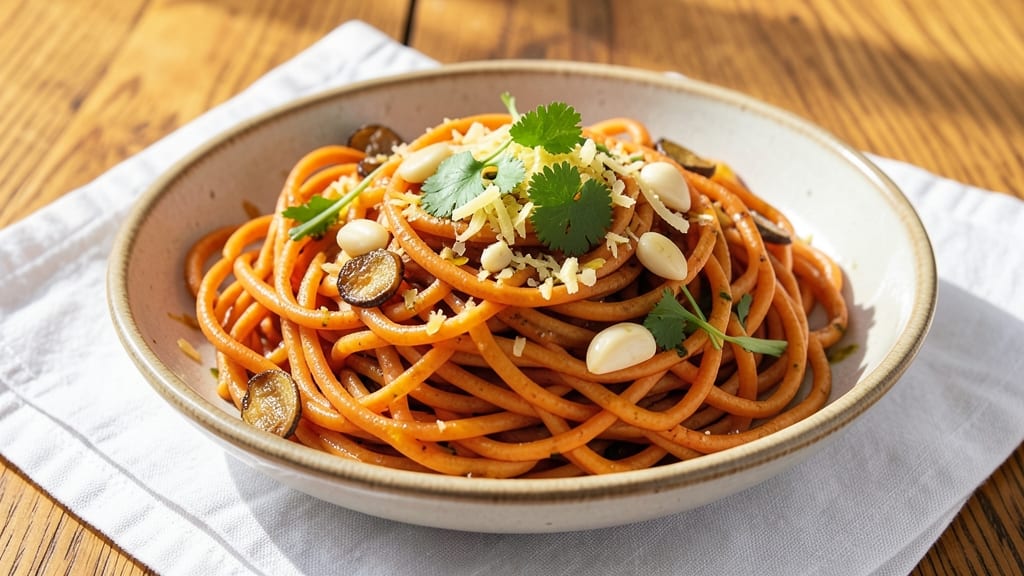
This spiralized sweet potato noodles recipe transforms humble sweet potatoes into silky, naturally sweet strands that rival pasta—no cooking skills required. 💛 The secret lies in proper spiralizing and a quick sear that caramelizes their edges while keeping the centers tender.
I developed this recipe after realizing how versatile these noodles could be beyond just stir-fries, and it quickly became a staple in my meal rotation.
The beauty of sweet potato noodles is their adaptability—use them as a base for hearty bowls, toss them with vibrant sauces, or serve them as a standalone side dish. They absorb flavors beautifully while adding natural sweetness and a satisfying chew.
Unlike traditional pasta, these noodles are packed with fiber, vitamins, and antioxidants, making them a nutritious upgrade for any plate.
What you’ll end up with is a dish that’s both elegant and effortless: golden, spiralized strands with a perfect balance of caramelized edges and tender centers. The natural sweetness of the sweet potatoes shines through, requiring minimal seasoning to enhance their flavor.
This recipe delivers restaurant-quality results in under 20 minutes, proving that healthy eating doesn’t mean sacrificing taste or texture.
Pair these noodles with your favorite proteins, fresh herbs, or a zesty sauce for a meal that’s as visually appealing as it is delicious.
Whether you’re meal prepping for the week or whipping up a last-minute dinner, this recipe is your go-to for a satisfying, plant-based side dish that feels indulgent without the guilt.
Ingredients for spiralized sweet potato noodles
Nine ingredients transform humble sweet potatoes into restaurant-worthy noodles with minimal effort.
| Ingredient | Amount | Notes |
|---|---|---|
| Large Sweet Potatoes 🍠 | 2 whole | Organic preferred, medium-sized |
| Extra-Virgin Olive Oil 🫒 | 2 tbsp | Cold-pressed, fruity variety |
| Sea Salt 🧂 | 1 ½ tsp | Diamond Crystal preferred |
| Freshly Ground Black Pepper 🌶️ | ½ tsp | Freshly cracked for aroma |
| Garlic Cloves 🧄 | 3 cloves | Fresh, minced for flavor |
| Fresh Ginger 🌿 | 1 tbsp | Grated, aromatic variety |
| Lime Juice 🍋 | 2 tbsp | Freshly squeezed, bright |
| Sesame Oil 🫒 | 1 tsp | Toasted, for aroma |
| Toasted Sesame Seeds 🌾 | 1 tbsp | For garnish, optional |
| Fresh Cilantro 🌿 | ¼ cup | Chopped, for garnish |
| Vegetable Broth 💧 | ½ cup | Low-sodium, for deglazing |
| Maple Syrup 🍯 | 1 tbsp | Pure, for subtle sweetness |
| Smoked Paprika 🌶️ | ½ tsp | For depth, optional |
The sweet potatoes are the star—look for organic varieties with vibrant orange flesh at Trader Joe's or your local farmers market. Avoid green-tinged spots, which indicate age. A mandoline or spiralizer attachment makes all the difference; I use the OXO Good Grips for consistent strands. Medium-sized potatoes yield the perfect balance of chew and tenderness. If you can't find organic, regular sweet potatoes work fine, just scrub them well. The key is even thickness—about 1/8-inch strands caramelize beautifully without turning mushy.
No sesame oil? Avocado oil works in a pinch, though it lacks the toasty aroma. Swap smoked paprika for regular paprika if you're avoiding smoke, but the depth is worth it. Fresh ginger is ideal, but ground ginger at half the amount gets you close. The lime juice needs to be fresh—bottled won't cut it. For extra richness, add 1 tbsp of tahini to the finishing sauce. If you're prepping ahead, store the raw noodles in water (like fresh pasta) to prevent browning. The vegetable broth can be substituted with water plus 1 tsp soy sauce for umami.
Freshly spiralized noodles keep for 2-3 days in the fridge, submerged in water. For longer storage, blanch 30 seconds, then freeze on a tray before transferring to a bag—lasts 2 months. Reheat gently in a dry pan or microwave with a splash of water. The sauce components (oil, lime, maple) can be prepped separately and mixed just before serving. Garnishes like sesame seeds and cilantro stay fresh for 5 days wrapped in damp paper towels. Portion into containers for easy meal prep—these noodles hold up beautifully for lunches.
Why You'll Love This Recipe
- No Spiralizer? No Problem: I’ll be real—this works just as well with a sharp knife and steady hands. Sweet potatoes spiralize like a dream (even if my cuts aren’t perfect), and the key is roasting them until they’re tender with that golden crisp at the edges. You don’t need fancy tools, just patience and a hot oven.
- Garlic-Oil Magic: That first hit of sizzling garlic in olive oil? Pure flavor payoff. The sweet potatoes soak up the richness like a sponge, while the black pepper adds a little kick that makes this dish feel gourmet without the fuss. Honestly, it’s the kind of simple combo that makes you want to eat it straight from the pan.
- Lunchbox Hero: Between us, these noodles keep perfectly for days—toss them in a container with a drizzle of that same garlic oil, and they’re a hit in lunches or quick dinners. My kids (and my picky husband) actually finish them, which is basically a miracle. Plus, they’re hearty enough to fill you up but light enough to not weigh you down.
- Budget Stretch: Sweet potatoes are my secret weapon for stretching meals further. A few large ones feed four for dinner and leftovers, and they’re cheaper than pasta while still feeling indulgent. The olive oil is the only splurge, but a little goes a long way when you’re roasting in bulk. Win-win for my wallet and my waistline.
Step-by-step instructions for sweet potato noodles
Transform humble sweet potatoes into silky, naturally sweet noodles with this vibrant Asian-inspired method.
🥘 Step 1: Spiralize and Parboil the Sweet Potatoes
Peel the 2 whole large sweet potatoes using a vegetable peeler—removing the skin ensures even cooking and prevents bitterness. Cut each potato lengthwise into quarters to fit your spiralizer. I use a mandoline attachment for consistent noodles, but a hand-held spiralizer works too if you take your time.
Place the spiralized sweet potatoes in a large pot of cold, salted water (add 1.5 teaspoons of sea salt) and bring to a gentle boil. Parboil for exactly 3-4 minutes—this softens them slightly while preserving their structure. You'll know they're ready when a toothpick slides in easily but still offers some resistance. Drain immediately and rinse under cold water to stop the cooking process.
🔥 Step 2: Sear the Noodles for Depth
Heat 2 tablespoons of extra-virgin olive oil in a large skillet over medium-high heat until shimmering. Add the drained sweet potato noodles in a single layer and cook undisturbed for 2-3 minutes, stirring only once to prevent sticking. The edges should develop a beautiful golden-brown color—this is where the magic happens.
Here's the thing—don't overcrowd the pan. If you need to work in batches, that's fine, but each batch should get that perfect sear. The slight char adds complexity that balances the natural sweetness of the sweet potatoes. Once golden, transfer the noodles to a plate and set aside temporarily.
🍳 Step 3: Build the Flavorful Sauce
In the same skillet (no need to clean it—the browned bits are flavor), add the 3 minced garlic cloves and 1 tablespoon of grated fresh ginger. Sauté for 30 seconds until fragrant but not browned—ginger burns quickly, so watch carefully. Add 0.5 teaspoon of smoked paprika and stir for 10 seconds to toast the spices.
Pour in 0.5 cup of vegetable broth and 1 tablespoon of maple syrup, scraping up any browned bits from the bottom of the pan. Bring to a gentle simmer and let it reduce by half—about 3-4 minutes. The sauce should coat the back of a spoon with a glossy sheen. Remove from heat and stir in 2 tablespoons of lime juice and 1 teaspoon of sesame oil. Taste and adjust seasoning with additional sea salt and freshly ground black pepper if needed.
🥘 Step 4: Combine and Finish
Return the seared sweet potato noodles to the skillet with the sauce. Toss gently to coat evenly, letting the noodles absorb the flavorful liquid for 1-2 minutes. The residual heat will finish cooking them slightly while infusing them with all that aromatic goodness. You're aiming for al dente texture—still slightly firm with a tender bite.
Real talk: if the noodles seem dry, add a splash of hot water or broth to loosen the sauce. The goal is a harmonious balance where each bite delivers that perfect marriage of sweet, savory, and umami flavors. The natural sweetness of the sweet potatoes should shine through without being overpowered.
🍽️ Step 5: Garnish and Serve
Transfer the sweet potato noodles to serving bowls and let them cool slightly for 2 minutes—this prevents them from becoming mushy when garnished. Sprinkle generously with 1 tablespoon of toasted sesame seeds and 0.25 cup of chopped fresh cilantro. The sesame seeds add a delightful nutty crunch, while the cilantro brings a bright, herby contrast.
Serve immediately while warm, accompanied by a sprinkle of extra black pepper and a wedge of lime on the side. These noodles are best enjoyed fresh—they hold their shape and texture beautifully when served right away. Pair with a simple green salad or steamed bok choy to complete the meal.
Pro Tips For Making Spiralized Sweet Potato Noodles
- PEEL AND SPIRALIZE COLD: Sweet potatoes are stubborn when warm—let them sit out for 30 minutes after peeling so the spiralizer glides through cleanly. I learned this the hard way when my first batch turned into a mushy, tangled mess after forcing it through still-warm tubers.
- SALT THE NOODLES IMMEDIATELY: Toss spiralized sweet potatoes with ½ teaspoon salt right after cutting—this prevents them from turning gummy as they sit. My grandmother swore by this, and she was right: the texture stays crisp and the flavor pops when you sauté.
- DON’T OVERCROWD THE PAN: Cook in batches if needed—overloading the pan steams the noodles instead of searing them. I used to dump the whole batch in and end up with sad, limp strands. A single layer in enough olive oil (about 2 tablespoons) guarantees golden edges.
- GARLIC NEEDS TIME: Crush the garlic cloves flat before adding them—this ensures they infuse the oil properly. I was skeptical until I tried it: the flavor melds better, and you won’t end up with whole cloves just sitting there like bitter afterthoughts.
Troubleshooting this dish
Noodles Too Soft
If your sweet potato noodles turn out mushy, you likely overcooked them during the parboiling or searing stages. The key is precision: parboil for exactly 3-4 minutes—no longer! For the sear, keep the heat at medium-high and resist the urge to stir too often.
Overcrowding the pan also causes steam buildup, leading to soggy strands. Work in batches if needed, and always use a dry skillet. 🌡️
Uneven Thickness
Inconsistent noodle thickness means some strands cook faster than others, creating a mix of al dente and mushy textures. Use a mandoline with a 1/8-inch blade for uniform slices, or practice with a hand-held spiralizer.
For extra insurance, cut the sweet potatoes into quarters lengthwise before spiralizing to ensure they fit snugly. If you’re using a hand spiralizer, apply even pressure—uneven force creates thick and thin spots. ✨
Browning Too Quickly
Sweet potatoes brown or burn before they’re fully cooked if the heat is too high. Reduce the temperature to medium instead of medium-high, and monitor closely. A heavy-bottomed skillet (like All-Clad) distributes heat evenly, preventing hot spots.
If you notice browning too fast, remove the pan from heat and let it rest for 30 seconds before continuing. A splash of cold water can also help reset the sear without overcooking. 🔥
Sticky or Gummy Texture
Sticky noodles usually mean excess starch from the sweet potatoes wasn’t rinsed properly after parboiling. Always drain and rinse the noodles under cold water immediately after cooking to remove surface starch. For extra insurance, pat them dry gently with a kitchen towel before searing.
If they still stick, add ½ teaspoon of cornstarch to the skillet while searing—it helps create a light barrier between the noodles and the pan. 💡
Sauce Too Thin
A watery sauce happens when the broth reduces too quickly or the noodles absorb too much liquid. To fix this, reduce the broth over medium-low heat until it’s syrupy (about half the original volume).
If the sauce is still thin after combining with the noodles, stir in 1 teaspoon of tahini or ½ teaspoon of arrowroot powder to thicken it. For extra richness, add a drizzle of coconut milk or 1 teaspoon of miso paste to deepen the flavor. 🥄
Preventing Overcooking
Sweet potato noodles cook faster than you think—once they’re al dente, they’ll continue cooking off the heat. To avoid overcooking, test one strand by pressing it with a fork: it should hold its shape but yield slightly.
If you’re prepping ahead, store the uncooked noodles in water (like fresh pasta) in the fridge for up to 3 days. When ready to cook, pat them dry and sear immediately for the best texture. This method keeps them firm and prevents mushiness. ⏱️
Nutrition facts
Frequently asked questions
Can I use regular potatoes instead of sweet potatoes?
Regular white or russet potatoes won't work for this recipe—they lack the natural sweetness and vibrant color of sweet potatoes. The moisture content and starch levels are also different, resulting in a gummy texture. If you're looking for a similar texture, try yams or purple sweet potatoes for a fun color variation.
How do I prevent the noodles from sticking together?
Always rinse the spiralized noodles under cold water immediately after parboiling to remove excess starch. Pat them dry gently with a kitchen towel before searing. For extra insurance, add ½ teaspoon of cornstarch to the skillet while cooking. Never overcrowd the pan—work in batches if needed for that perfect sear.
Can I make these noodles ahead of time?
Yes! Store uncooked spiralized sweet potatoes in water (like fresh pasta) in the fridge for up to 3 days. For longer storage, blanch for 30 seconds, then freeze on a tray before transferring to a bag. They'll keep for 2 months. Cook from frozen by adding 1 extra minute to the parboiling time.
What's the best way to reheat these noodles?
Reheat in a dry skillet over medium heat for 2-3 minutes until warmed through, adding a splash of water if needed. For microwave reheating, cover with a damp paper towel and heat for 45-60 seconds. Avoid adding sauce until reheated to prevent sogginess.
Are these noodles gluten-free and vegan?
This recipe is naturally gluten-free and vegan, requiring no animal products or wheat-based ingredients. The sweet potatoes provide all the satisfying texture and flavor without any dairy or meat. Perfect for plant-based diets and gluten-sensitive individuals.