
Side Dishes
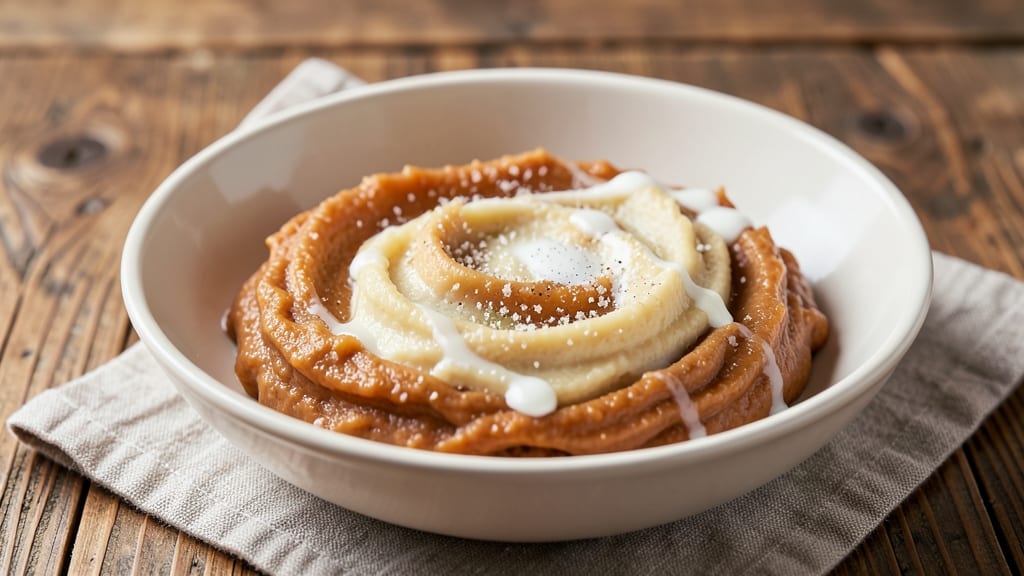
This sweet potato and swede mash recipe delivers ultra-smooth, velvety perfection with a nutmeg kiss that elevates any dinner table.
The secret lies in perfectly balanced sweetness from swede and earthy depth from sweet potatoes, all transformed into a creamy, restaurant-worthy side dish that pairs beautifully with roasted meats or vegetarian mains. Unlike rustic mash, this version prioritizes silky texture through precise cooking techniques—no lumps, just velvety indulgence.
The foundation begins with properly peeling and boiling the vegetables until tender, then mashing with warm milk and rich butter while keeping the mixture smooth. A pinch of nutmeg adds warmth without overpowering, creating a flavor profile that's both comforting and sophisticated.
This isn't just a side dish—it's the kind of mash that makes people ask for seconds, with every bite offering that perfect balance of creaminess and subtle sweetness.
What sets this recipe apart is the foolproof method for achieving that signature velvety texture, whether you're using traditional dairy or plant-based alternatives like olive oil and coconut milk. The result is a side dish that's equally at home alongside Sunday roasts or as the star of vegetarian feasts.
With just a few simple ingredients and careful technique, you'll create a mash so luxurious it feels like a dessert.
Ready in about 30 minutes, this recipe transforms humble vegetables into a showstopping side that's simple enough for weeknight dinners but impressive enough for special occasions. The key is patience—letting the vegetables cook just until tender ensures they mash smoothly without losing their natural sweetness.
Whether you're a seasoned cook or new to mash-making, this method guarantees restaurant-quality results every time.
Ingredients for sweet potato and swede mash
Nine essential ingredients transform humble vegetables into restaurant-worthy velvety mash perfection.
| Ingredient | Amount | Notes |
|---|---|---|
| Sweet Potatoes 🍠 | 2 lbs | Orange-fleshed, peeled and cubed |
| Swede (Rutabaga) 🥕 | 2 lbs | Peeled and cubed evenly |
| Unsalted Butter 🧈 | ½ cup | European-style preferred for richness |
| Whole Milk 🥛 | 1 cup | Warmed to room temperature |
| Ground Nutmeg 🌿 | ¼ tsp | Freshly grated for optimal aroma |
| Sea Salt 🧂 | 1 ½ tsp | Diamond Crystal preferred for clarity |
| Freshly Ground Black Pepper 🌶️ | ½ tsp | Cracked peppercorns preferred |
| Heavy Whipping Cream 🥛 | ¼ cup | Optional for ultra-luxurious texture |
| Olive Oil 🫒 | 1 tbsp | For plant-based alternative version |
| Coconut Milk 🥥 | ¼ cup | Full-fat for creamy consistency |
| Vegetable Stock 💧 | ½ cup | For added depth in plant-based version |
The sweet potatoes and swede form the foundation of this recipe, and their quality matters significantly. Organic produce from local farmers markets delivers superior sweetness and texture, while conventional supermarket varieties work perfectly fine for weeknight cooking. For the best results, select swede with a vibrant orange-yellow hue and firm, unblemished skin—this indicates optimal freshness. The sweet potatoes should feel heavy for their size, with smooth, unbroken skin. If using organic produce, you can skip the peeling step entirely, saving valuable prep time. For the dairy components, European-style butter from brands like Plugrá or Kerrygold adds a luxurious richness that's well worth the investment for special occasions.
No heavy cream on hand? Full-fat coconut milk creates an equally velvety texture when combined with olive oil in the plant-based version, though the flavor profile will be subtly different. Freshly grated nutmeg is non-negotiable here—pre-ground loses potency quickly, and the flavor difference is noticeable. For those without a microplane, a sharp knife works well for grating nutmeg, though it requires more elbow grease. The vegetable stock in the plant-based version can be substituted with additional coconut milk if you prefer a richer, less savory profile. When selecting swede, avoid any with green streaks or soft spots, as these indicate bitterness or spoilage. The butter should be at room temperature when added to achieve that signature silky texture.
This mash maintains its luxurious texture for up to 5 days when stored properly in an airtight container in the refrigerator. For best results, reheat gently in a double boiler or microwave until warmed through, stirring frequently to restore that velvety consistency. The plant-based version can be stored similarly, though the texture may become slightly grainier upon reheating. For make-ahead convenience, this mash freezes beautifully for up to 3 months—simply thaw overnight in the refrigerator before reheating. When serving, consider garnishing with an additional sprinkle of freshly grated nutmeg and a drizzle of melted butter for that restaurant-quality presentation. The key to maintaining texture is to avoid overmixing after adding the dairy components.
Why You'll Love This Recipe
- One-Pot Magic: I swear by this for nights when I’ve got zero energy. Peel, chop, boil—boom—done. No separate pans, no extra bowls, just smooth, golden mash in the same pot you started with.
- Nutmeg Magic: Honestly, that pinch of ground nutmeg is what turns this from good to ridiculously good. It’s warm, earthy, and just sweet enough to make your taste buds do a little happy dance—no fancy spices needed.
- Leftover Hero: Between us, this mash keeps perfectly for days. Reheat it for breakfast (yes, really), toss it into wraps for lunch, or serve it cold with smoked salmon. It’s my go-to for lazy mornings and packed lunches alike.
- Budget Stretch: Sweet potatoes and swede are cheap, filling, and packed with flavor—way better than pricier mash options. A big batch feeds my family for days without breaking the bank, and the butter and milk make it feel special without costing a fortune.
Step-by-step instructions for sweet potato and swede mash
Mastering this velvety mash requires precision and patience—here's how to achieve restaurant-quality texture every time.
Prep and Parboil the Vegetables
Begin by placing the 2 lbs sweet potatoes and 2 lbs swede (rutabaga) in separate pots of cold, salted water. Bring to a boil over medium-high heat and cook for 10-12 minutes until the vegetables are fork-tender—they should pierce easily but still hold their shape. Drain immediately and return them to their respective pots.
This parboiling step is critical—it jumpstarts the cooking process and prevents uneven texture. I like to use a potato masher to gently break down the sweet potatoes in their pot while still hot. This releases some starches, which helps create that ultra-smooth texture later. Set the swede aside for now—we'll handle it separately to maintain even cooking.
Roast the Swede for Depth of Flavor
Preheat your oven to 400°F. Toss the drained swede with 1 tablespoon olive oil, 0.75 teaspoon sea salt, and 0.25 teaspoon freshly ground black pepper. Spread evenly on a baking sheet and roast for 25-30 minutes until golden brown and tender when pierced with a knife.
Roasting the swede caramelizes its natural sugars, adding a subtle sweetness that balances the earthiness of the sweet potatoes. The golden color also signals perfect doneness—if it browns too quickly, tent with foil to prevent burning. While it roasts, mash the parboiled sweet potatoes with 0.25 cup unsalted butter until completely smooth, scraping the sides of the pot to incorporate all the starch.
Combine and Refine the Texture
Once the swede is roasted, transfer it to a clean pot and mash it thoroughly with a potato masher or ricer. Add the mashed sweet potatoes along with 1 cup whole milk and 0.5 cup vegetable stock (for plant-based versions). Stir over low heat for 3-4 minutes until the mixture is completely smooth and creamy.
Here's where the magic happens: The combination of parboiling and roasting ensures even cooking, while the milk and stock create that signature velvety texture. If the mash is too thick, add 1-2 tablespoons of milk to reach your desired consistency. For extra richness, stir in 0.25 cup heavy whipping cream at this stage—it elevates the dish to restaurant-quality.
Season and Finish
Remove the pot from heat and stir in the remaining 0.75 teaspoon sea salt, 0.25 teaspoon ground nutmeg, and 0.25 teaspoon freshly ground black pepper. For a plant-based version, replace the milk with 0.25 cup coconut milk and add an extra 0.5 teaspoon of salt to compensate for the lower fat content.
The nutmeg is what transforms this from ordinary mash to something extraordinary—its warm, aromatic notes complement the sweetness of the potatoes and the earthiness of the swede. Taste and adjust seasoning if needed, then transfer to a serving dish. Serve immediately while still hot, garnished with a sprinkle of freshly cracked black pepper for that final touch of sophistication.
Pro Tips For Making Sweet Potato And Swede Mash
- PEEL WHILE HOT: Sweet potatoes and swede are stubborn when cold—peel them right after boiling while they’re still warm. The skins slide off like magic, and you’ll save time scrubbing. (Yes, even if you’re impatient like me, wait those 30 seconds.)
- USE A POTATO MASHER: Skip the food processor unless you want gummy mash. A sturdy potato masher breaks up the fibers just enough for a light, fluffy texture. I learned this the hard way—blending turns it gluey, and nobody wants that with nutmeg’s bright flavor.
- SALT THE WATER LIBERALLY: The swede soaks up salt like a sponge, but if you skimped on the boiling water’s seasoning, the mash will taste bland. Aim for 2 teaspoons of salt per liter—this isn’t the time to hold back. (Your future self will notice.)
- COOL BEFORE MILKING: Dump the hot mash into milk, and you’ll end up with a sad, watery puddle. Let it cool to just warm (about 10 minutes) before stirring in the butter and milk—this keeps the texture creamy, not curdled. (Sounds weird, but it works.)
Troubleshooting this dish
Lumpy Texture Fix
If your mash turns out lumpy, don't panic—this happens when the vegetables aren't cooked enough or the starches aren't properly incorporated. First, ensure your sweet potatoes and swede are fork-tender before mashing. For stubborn lumps, use an immersion blender to smooth out the texture while keeping the heat low.
If blending isn't an option, mash vigorously with a potato ricer or food mill. The key is patience—don't rush the process, and always scrape the bottom of the pot to release those hidden starches. 💡
Watery Mash Solution
Watery mash usually means you've overcooked the vegetables or added too much liquid. Start by tasting your mash—if it's too thin, simply cook it uncovered over medium-low heat for 2-3 minutes to evaporate excess moisture.
For extra insurance, stir in 1 tablespoon of cold butter, which helps thicken the mixture naturally. If using plant-based alternatives, reduce the coconut milk by 1 tablespoon and replace with 1 tablespoon of olive oil to stabilize the texture.
Always warm your milk or coconut milk before adding to prevent thinning the mash further.
Uneven Cooking Issues
Uneven cooking often happens when sweet potatoes and swede aren't cut evenly or cooked separately. To prevent this, cube both vegetables into 1-inch pieces before cooking. Use separate pots for parboiling to ensure even doneness—sweet potatoes cook faster than swede.
If one component is undercooked, return it to the pot with 1 tablespoon of water and cook for another 3-5 minutes until tender. For roasted swede, check doneness by piercing with a knife—it should slide in easily without resistance. 🍠
Nutmeg Overpowering
Fresh nutmeg can be potent, so start with just ¼ teaspoon and taste as you go. If you've already added too much, balance it with a pinch of salt or a splash of lemon juice (about ½ teaspoon) to cut through the intensity.
For a milder flavor, use ground nutmeg instead of freshly grated, though freshly grated delivers the best aroma. Remember, nutmeg should enhance, not dominate—the sweetness of the swede and creaminess of the dairy should still shine through.
Plant-Based Texture Problems
Plant-based versions often struggle with oil separation or graininess. To combat this, use full-fat coconut milk and olive oil in equal parts for stability. For extra creaminess, blend in 2 tablespoons of silken tofu at the end—it mimics the fat content of dairy beautifully.
If the texture is still too dry, add 1 tablespoon of vegetable stock at a time until you reach the desired consistency. Always warm your plant-based liquids before adding to prevent clumping.
The goal is to replicate the velvety mouthfeel of traditional mash, so don't be afraid to experiment with small adjustments.
Nutrition facts
Frequently asked questions
Can I use regular potatoes instead of sweet potatoes?
While you can substitute regular potatoes, the flavor and texture will differ significantly. Sweet potatoes bring natural sweetness and creaminess that swede lacks on its own. For a similar profile, try yams or purple sweet potatoes, which hold up well to mashing. If using regular potatoes, reduce cooking time by 2-3 minutes since they cook faster than sweet potatoes. The result will be less sweet but still delicious.
How do I store leftover mash?
Store your mash in an airtight container in the refrigerator for up to 5 days. For best texture, reheat gently in a double boiler or microwave with a damp paper towel covering it. To revive the velvety consistency, stir in 1 tablespoon of warm milk or coconut milk (for plant-based versions) as you reheat. Avoid freezing this mash as it tends to become grainy when thawed.
What's the best way to make this vegan?
Replace the butter with olive oil and use full-fat coconut milk instead of dairy milk. For extra creaminess, add 2 tablespoons of silken tofu when mashing. Increase salt slightly (½ teaspoon extra) since plant-based fats are less salty. The texture will be slightly different but still luxurious. For depth, add ½ cup vegetable stock when combining the mashed vegetables.
Can I make this ahead of time?
Yes! Prepare it up to 2 days ahead and store in the fridge. Reheat gently on the stove with a splash of warm milk or stock, stirring constantly. For serving, finish with a pat of butter or drizzle of olive oil and extra nutmeg. The flavors actually improve slightly as the spices meld. Just avoid overcooking when reheating—keep heat at low-medium and watch closely to maintain that velvety texture.
Why does my mash turn out dry?
Dry mash usually means either overcooking the vegetables or not adding enough liquid. First, ensure your sweet potatoes and swede are fork-tender but not mushy. When combining, always use warm milk (not cold) and add it gradually. For extra moisture, stir in 1 tablespoon of warm vegetable stock or coconut cream (for plant-based versions). The key is balance—your mash should be thick but still spoonable, not crumbly.