
Side Dishes
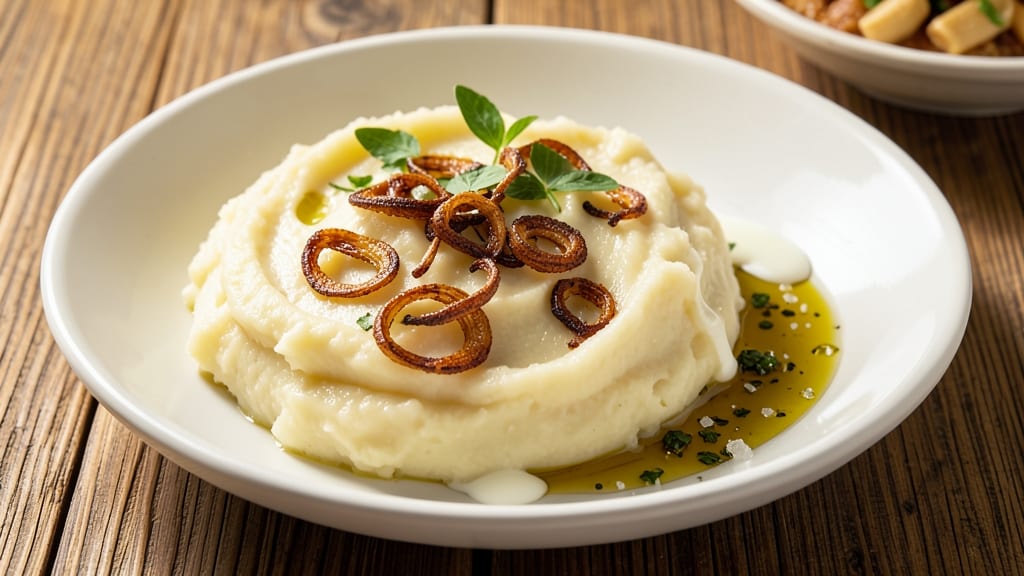
This 1 pound mashed potato recipe delivers velvety, ultra-smooth texture with deep roasted garlic flavor—perfect for side dishes that steal the show. The secret lies in precise technique: boiling potatoes until fork-tender, then mashing with warm milk and butter for a creamy, lump-free finish.
Roasted garlic adds complexity without overpowering the classic comfort of buttery potatoes.
What sets this recipe apart is the attention to detail that transforms simple ingredients into restaurant-quality results. You'll start with just two medium russet potatoes, boiled until perfectly tender, then mashed with rich dairy and aromatic garlic.
The key to that signature ultra-smooth texture? A potato ricer or food mill for silky perfection.
By the time you're done, you'll have a batch of mashed potatoes with a luxurious, almost custard-like consistency that's impossible to resist. The roasted garlic infuses every bite with warm, sweet depth, while the butter and milk create that classic creamy richness.
This is the kind of side dish that elevates any meal from ordinary to extraordinary.
Whether you're serving as a classic Thanksgiving accompaniment or a comforting weeknight side, this recipe scales beautifully. For extra indulgence, consider adding a sprinkle of fresh chives or a dollop of sour cream. Let's get started on creating the perfect mashed potatoes.
Ingredients for 1 pound mashed potato
Nine essential ingredients transform humble russets into restaurant-style mashed potatoes with velvety texture.
| Ingredient | Amount | Notes |
|---|---|---|
| Russet Potatoes 🥔 | 1 lb | Medium, peeled and quartered |
| Unsalted Butter 🧈 | ½ cup | Cold, cubed for even melting |
| Whole Milk 🥛 | ½ cup | Warm for smooth texture |
| Garlic Cloves 🧄 | 6 whole | Roasted until caramelized |
| Extra-Virgin Olive Oil 🫒 | 1 tbsp | For roasting garlic |
| Salt 🧂 | 1 ½ tsp | Diamond Crystal preferred |
| Black Pepper 🌶️ | ½ tsp | Freshly cracked for aroma |
| Fresh Chives 🌿 | 2 tbsp | Chopped for garnish |
| Heavy Cream 🥛 | ¼ cup | Optional for extra richness |
The russet potatoes are non-negotiable for this recipe—Idaho-grown russets have the highest starch content, which creates that signature ultra-smooth texture. Trader Joe's and Whole Foods carry excellent options, or grab any labeled 'russet' at your local grocery store. For the roasted garlic, peel and roast whole cloves in olive oil at 400°F until caramelized—this adds depth without overpowering. If you're short on time, minced jarred garlic works in a pinch, though fresh roasted is ideal. The butter should be cold and cubed when added to the potatoes for maximum creaminess.
No whole milk? Half-and-half or light cream works equally well, though the texture will be slightly lighter. Substituting dairy-free milk requires adding 1 tbsp cornstarch to prevent separation. For the garlic, asafetida powder can mimic the umami depth if you're avoiding alliums entirely. The heavy cream is optional but recommended for that signature restaurant-style richness—full-fat works best. If you're watching calories, omit it entirely and add an extra tablespoon of butter instead. The chives are purely for garnish, but fresh parsley or green onions work as substitutes if needed.
Potatoes should be stored in a cool, dark place until used. Once peeled, keep submerged in cold water to prevent browning. The roasted garlic cloves can be refrigerated for up to 5 days in an airtight container. For best results, make the mashed potatoes fresh, but they'll keep in the fridge for 3-4 days if stored in an airtight container. To reheat, gently warm with a splash of milk or water until creamy—microwaving adds lumps, so oven reheating is preferred. Portion into ramekins for elegant serving.
Why You'll Love This Recipe
- No-Peel Hassle: I swear by this trick—just scrub the Russets, toss them whole into boiling water with a peeled garlic clove, and let them cook. No peeling, no mess, just fluffy perfection when they’re done.
- Garlic Butter Magic: That olive oil and minced garlic roasted in the butter before mashing? It’s the secret weapon—rich, aromatic, and way more interesting than plain old salted butter. One whiff and you’ll never go back.
- Leftovers That Last: Make a double batch and store it—these potatoes reheat like a dream (just a splash of warm milk to loosen them up). My kids ask for them at lunch all week, and honestly? They taste better the second time around.
- Budget Stretch: A pound of Russets, a stick of butter, and a splash of milk? This is my wallet’s favorite side dish. It feeds four easily, and the garlic makes it feel fancy without breaking the bank. (Yes, even on a Tuesday night.)
Step-by-step instructions for ultra-smooth mashed potatoes
Perfectly creamy mashed potatoes start with the right technique—here's how to achieve velvety texture with roasted garlic depth.
Roast the Garlic for Complex Flavor
Preheat your oven to 375°F. Peel the 6 whole garlic cloves and place them in a small oven-safe dish. Drizzle with the 1 tablespoon extra-virgin olive oil, sprinkle with ½ teaspoon salt, and cover tightly with aluminum foil. Roast for 30-35 minutes until the cloves are soft and caramelized with golden edges.
This roasting process transforms the garlic's flavor from sharp to sweet and nutty—a subtle but essential upgrade. You'll know it's done when the cloves can be easily pierced with a fork and smell irresistibly aromatic. Let them cool slightly before squeezing out the pulp for your potatoes.
Cook Potatoes Until Fork-Tender
Place the 1 lb peeled and quartered Russet potatoes in a large pot and cover with cold water by about 2 inches. Add 1 teaspoon salt and bring to a boil over high heat. Once boiling, reduce to a simmer and cook for 15-20 minutes until a knife slides in easily with minimal resistance.
Don't rush this step—undercooked potatoes will turn gummy when mashed. The potatoes are ready when their edges begin to soften and their centers yield completely. Drain thoroughly in a colander, shaking gently to remove excess water. Return them to the pot to prevent them from cooling.
Mash with Butter and Roasted Garlic
Warm the 0.5 cup whole milk and 0.5 cup unsalted butter together in a small saucepan over low heat until the butter melts completely. Add the roasted garlic pulp (about 1 teaspoon) and stir to combine. Pour this mixture over the hot potatoes and mash with a potato masher or ricer until smooth.
For ultra-smooth results, I recommend using a ricer instead of a masher—it breaks down the potato starches more thoroughly. If using a masher, press firmly to ensure no lumps remain. The warm milk-butter mixture should create a silky, velvety texture that coats the back of a spoon.
Finish with Cream and Seasoning
Stir in the 0.25 cup heavy cream (if using) and the remaining ½ teaspoon salt and ½ teaspoon black pepper. The cream adds luxurious richness, but the dish remains excellent without it. Taste and adjust seasoning—you may need a touch more salt to balance the roasted garlic's sweetness.
For the final touch, fold in the 2 tablespoons chopped fresh chives, reserving a few for garnish. The chives add a bright, fresh contrast to the creamy potatoes. Serve immediately while hot, garnished with additional chives and a sprinkle of black pepper.
Keep Warm Until Serving
If you need to hold the potatoes before serving, keep them warm in a double boiler or a heatproof bowl set over a pot of barely simmering water. Stir occasionally to prevent a skin from forming. The potatoes should remain creamy and smooth, not dry or grainy.
This method ensures your mashed potatoes stay at their peak texture and temperature. The roasted garlic flavor will deepen slightly as they rest, creating a truly restaurant-quality dish that's worth the extra effort.
Pro Tips For Making 1 Pound Mashed Potato
- Boil Until Fork-Tender: Russets break down easier when they’re cooked through—not just soft, but fork-tender. Test by piercing with a fork: if it slides in like butter, they’re ready. Overcooking? No, just right. Drain immediately to stop cooking.
- Peel While Warm: Skip the cold, stubborn peels—wait 2 minutes after draining, then plunge the potatoes into ice water. The shock stops cooking, and the skins slide off effortlessly. (Yes, even if you’re impatient like me.)
- Infuse Milk with Garlic: Instead of tossing raw garlic into the mash, warm the milk with 1 minced clove and a drizzle of olive oil for 3 minutes. Strain out the garlic—you’ll get a silky, aromatic base without bitter chunks. (Sounds weird, but it works.)
- Mash in Stages: Don’t dump everything in at once. Start with half the butter and milk, mash until smooth, then add the rest. This keeps the texture consistent and prevents gummy lumps from overworking the potatoes. (Your future self will thank you.)
Make-ahead tips for this dish
Prep Ahead for Thanksgiving
Make your mashed potatoes 2 days ahead for Thanksgiving dinner—just reheat gently before serving. After mashing, transfer to an airtight container and refrigerate. When ready to serve, reheat in a 350°F oven for 15-20 minutes with a splash of warm milk to restore creaminess.
The roasted garlic flavor actually intensifies over time, making them even more delicious. 🍽️
Freezer-Friendly Method
For long-term storage, cool the mashed potatoes completely before transferring to freezer-safe containers. Leave ½ inch headspace to prevent expansion cracks. Label with the date—they'll keep for up to 3 months.
To serve, thaw overnight in the fridge, then reheat using the oven method above. Avoid microwaving to prevent graininess. 🧊
Portion for Easy Serving
Divide the mashed potatoes into ramekins or small bowls before storing. This makes reheating individual portions effortless—just pop them in the oven at 350°F for 10 minutes with a splash of milk. Perfect for family-style dinners where everyone serves themselves. I love using glass Pyrex dishes for elegant presentation. 💫
Garlic Prep Shortcut
Roast your garlic a week ahead and store it in the fridge. This saves time on busy days and adds consistent depth to every batch. Simply squeeze out the pulp when ready to use—no need to roast fresh each time.
Store in a small airtight container with a tight lid. 🧄
Make-Ahead for Casseroles
Use your pre-made mashed potatoes as a base for potato casseroles or gratin. Layer with cheese, breadcrumbs, or veggies, then bake fresh. The pre-mashed texture stays smooth even after baking. I often make a double batch—one for immediate serving and one for casserole prep. 🧀
Reheat Without Losing Creaminess
For restaurant-quality reheating, place mashed potatoes in a heatproof bowl over simmering water. Stir occasionally with a silicone spatula to maintain smoothness. Add 1-2 tablespoons warm milk if they appear dry. This gentle method preserves texture better than microwave reheating. ✨
Nutrition facts
Frequently asked questions
Why do your mashed potatoes turn out smoother than other recipes?
The secret lies in using a potato ricer instead of a masher and cooking the potatoes until completely fork-tender. Russet potatoes have high starch content that creates that signature velvety texture when properly broken down. The warm milk-butter mixture also helps emulsify the starches for ultra-smooth results.
Can I make this recipe with a different type of potato?
While russet potatoes are ideal for their high starch content, you can use Yukon Gold for a slightly creamier, more buttery flavor. Avoid waxy potatoes like red or fingerlings—they'll turn gummy when mashed. If using Yukon Gold, reduce cooking time by about 5 minutes since they cook faster than russets.
What's the best way to keep mashed potatoes warm for a dinner party?
Use a double boiler or heatproof bowl set over simmering water. Stir occasionally with a silicone spatula to prevent skin formation. For extra insurance, cover with a tight lid. Never leave them uncovered on the stove—this causes moisture loss and dryness. The gentle heat maintains perfect texture for up to 2 hours.
How can I make this recipe dairy-free?
Replace the butter with vegan butter or olive oil and use unsweetened almond or oat milk. Add 1 tablespoon cornstarch to thicken the mixture since plant-based milks don't emulsify as well. For extra richness, stir in 2 tablespoons nutritional yeast—it adds a cheesy flavor that complements the roasted garlic beautifully.
Why did my mashed potatoes turn out lumpy?
Lumps usually mean undercooked potatoes or insufficient mashing. Always cook potatoes until completely tender (a knife should slide in easily), then mash thoroughly with a ricer or press firmly with a masher. If using a food processor, pulse briefly to avoid overworking the starches. For extra insurance, strain through a fine-mesh sieve before serving.