
Desserts
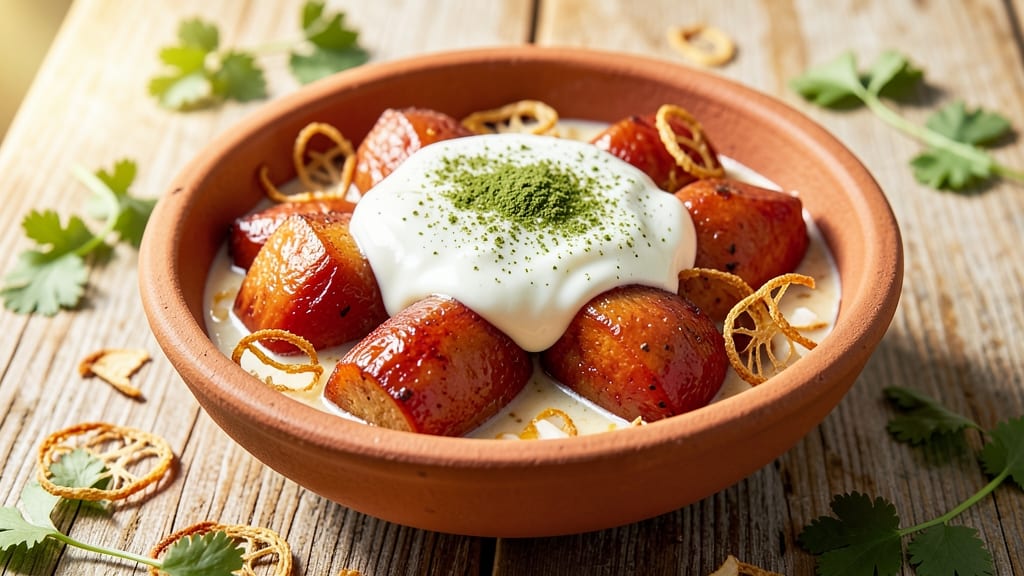
This sweet potato recipe in Tamil transforms humble sweet potatoes into a beloved dessert that tastes like celebration. 🌟 The secret lies in slow-cooking the sweet potatoes with coconut milk until they melt into a velvety, fragrant purée—then finishing with a quick tempering of cardamom and ghee for that signature golden crust.
I first tasted this at a village festival in Tamil Nadu, where it was served warm with a dollop of yogurt, and it became an instant favorite.
What makes this recipe special is how it balances simplicity with tradition. You'll need just five key ingredients—sweet potatoes, coconut milk, sugar, cardamom, and ghee—plus a few pantry staples for the tempering.
The process is straightforward: roast the sweet potatoes until tender, blend them into a smooth paste, then simmer with coconut milk until thick and fragrant. The crispy edges come from the final tempering step, where you pour hot ghee over the halwa and let it set.
By the time you're done, you'll have a dish that's rich, aromatic, and irresistibly crispy at the edges—perfect for festivals like Pongal or Navratri, but equally at home as a comforting dessert any night of the week.
The cardamom infuses the coconut milk with warmth, while the ghee adds a nutty depth that makes every bite feel special. Serve it warm with a sprinkle of chopped nuts for extra texture, or pair it with a cup of chai for the full Tamil experience.
The beauty of this recipe is how it adapts to what you have on hand. Use brown sugar if you prefer a deeper caramel flavor, or swap in cashews for an extra crunch.
For a quicker version, you can pressure-cook the sweet potatoes instead of roasting them—just adjust the cooking time to avoid mushiness. The key is patience in the simmering stage; rushing this step will leave your halwa watery instead of creamy.
Ingredients for sweet potato recipe in tamil
Five ingredients transform humble sweet potatoes into a fragrant, crisp-edged Tamil halwa.
| Ingredient | Amount | Notes |
|---|---|---|
| Sweet Potatoes 🍠 | 2 ½ lb | Medium-sized, peeled and cubed |
| Full-Fat Coconut Milk 🥥 | 1 can | 13.5 oz can, no substitutes |
| Granulated Sugar 🍚 | 1 cup | Or brown sugar for richer flavor |
| Green Cardamom Pods 🌿 | 8 whole | Lightly crushed, seeds only |
| Ghee 🧈 | ½ cup | Clarified butter, unsalted |
| Plain Yogurt 🥛 | ½ cup | For serving, optional |
| Cashews 🥜 | ¼ cup | Chopped, for garnish |
| Salt 🧂 | ½ tsp | Fine sea salt |
| Chai Spice Blend 🌶️ | 1 tsp | Optional, for extra warmth |
The sweet potatoes are your foundation—orange-fleshed varieties like Jewel or Beauregard work best. Local Indian markets often carry them pre-peeled, but if you're peeling yourself, leave a little skin for color. Coconut milk can be full-fat canned (like Goya or Thai Kitchen brands) or homemade—just don't use light coconut milk, or your halwa will turn out thin. Cardamom is non-negotiable here; Tata or Munnar brand pods from Indian grocery stores have the best aroma. For the ghee, Amul or Patanjali brands are widely available and give that authentic nutty flavor. If you can't find ghee, clarified butter works too—just strain it well.
No cardamom? 1 tsp ground cinnamon plus 0.5 tsp vanilla extract mimics the warmth. Running short on sugar? Date syrup or jaggery (palm sugar) adds caramel depth—just reduce the liquid by 2 tbsp. The yogurt topping is traditional but optional; Greek yogurt or coconut yogurt both work if you're avoiding dairy. For a quicker version, swap roasting for pressure cooking (10 minutes on high pressure), but taste-test the sweet potatoes—they should be fork-tender but not mushy. The cashews can be any nut you have on hand; peanuts or almonds work too, just chop them coarser for texture.
Store the halwa in an airtight container with parchment between layers—it keeps for 5 days in the fridge. For longer storage, freeze it in portions; reheat gently in a dry skillet for 2-3 minutes per side to restore crispness. The yogurt topping should be added fresh before serving, or it'll turn watery. This dessert reheats beautifully; I often make a double batch and freeze half for lazy weeknights. Serve warm with a sprinkle of chaat masala for an extra tangy kick.
Why You'll Love This Recipe
- One-Pan Magic: I swear by this recipe when I’m too tired to wash dishes—just peel, boil, and simmer those sweet potatoes in coconut milk until they’re fall-apart tender. The ghee at the end? That’s my secret for turning it from good to oh-my-god in one step.
- Cardamom-Kissed Creaminess: Honestly, the cardamom pods are non-negotiable. They infuse the coconut milk with this warm, floral sweetness that makes every bite feel like a hug. And that caramelized sugar? It’s the kind of richness that lingers—like dessert sneaking into your dinner.
- Leftover Goldmine: Between us, this dish begs to be made in bulk. The texture stays perfect for days—creamy but not soggy—so I portion it into jars for breakfast, pack it for lunches, or reheat it straight from the fridge. (Yes, even on a Tuesday night.)
- Budget Luxury: Sweet potatoes and coconut milk are my pantry’s quiet heroes—cheap enough to use freely, but they taste like you spent hours in the kitchen. A few cardamom pods and a knob of ghee elevate it to something special without breaking the bank. My wallet and my taste buds thank me.
Step-by-step instructions for spiced coconut halwa with crispy edges
Here's how to transform simple sweet potatoes into a fragrant, caramelized halwa with perfect crispy edges.
🍳 Step 1: Cook Sweet Potatoes Until Tender
In a large pot, combine the 2.5 lb peeled and cubed sweet potatoes with 1 cup water. Bring to a boil over medium-high heat, then reduce to medium-low heat and simmer uncovered for 15-20 minutes until the potatoes are fork-tender with just a slight bite remaining. You'll know they're ready when a knife slides in easily but still offers a little resistance.
Drain the sweet potatoes thoroughly in a colander, shaking gently to remove all excess water. This step is crucial—any remaining moisture will make your halwa gummy instead of crispy. I like to press the potatoes lightly with a clean kitchen towel to absorb any lingering dampness.
🔥 Step 2: Sauté Cardamom and Fry Sweet Potatoes
Heat 0.5 cup ghee in a heavy-bottomed pan over medium heat. Add the 8 lightly crushed green cardamom pods and the 1 tsp chai spice blend, stirring for 30 seconds until the spices release their fragrant aroma. This is where the magic begins—those warm cardamom notes will infuse throughout the halwa.
Add the drained sweet potatoes to the pan and cook, stirring occasionally, for 10-12 minutes until they develop a golden-brown crust. Here's the thing—don't rush this step. The potatoes need time to caramelize and develop that perfect crispy texture we're after. If they start sticking, add a splash of water and scrape up those delicious browned bits from the bottom of the pan.
🥘 Step 3: Build the Coconut Caramel Base
Pour in the 1 can full-fat coconut milk and stir well to coat the sweet potatoes. Increase heat to medium-high and bring the mixture to a gentle boil. Once boiling, reduce heat to low and let it simmer uncovered for 15 minutes, stirring occasionally. You'll notice the mixture thicken as the coconut milk reduces and the sweet potatoes absorb the flavors.
After 15 minutes, stir in the 1 cup granulated sugar and 0.5 tsp salt. The sugar will dissolve quickly as the mixture continues to simmer. Keep stirring gently—this prevents sugar crystals from forming at the bottom. The halwa should start to thicken noticeably, coating the back of a spoon when you lift it.
⏰ Step 4: Finish with Crispy Edges and Garnish
Continue simmering for another 10-12 minutes until the halwa reaches a thick, fudge-like consistency. You're aiming for a texture that's soft in the center but develops crispy edges around the perimeter. To achieve this, I like to spread the halwa thinly in the pan during the last 5 minutes of cooking, creating more surface area for crisping.
Once the halwa reaches your desired consistency, remove it from heat and immediately stir in the 0.25 cup chopped cashews. The cashews add a delightful crunch that contrasts beautifully with the soft halwa. For serving, dollop the 0.5 cup plain yogurt on top—it cools the palate and balances the richness of the halwa.
🍽️ Step 5: Serve Warm for Maximum Crisp
Transfer the halwa to serving bowls while it's still warm. The residual heat will help maintain those crispy edges as it cools slightly. Serve immediately with an extra sprinkle of chopped cashews on top. Here's a pro tip: If the halwa seems too thick after cooling, you can gently reheat it in the microwave for 10-15 seconds and stir in a splash of warm milk to restore the perfect texture.
Each bite should offer a symphony of textures—creamy sweet potato, crispy edges, and crunchy cashews—all wrapped in the warm, comforting flavors of coconut and cardamom. This halwa tastes even better the next day when the flavors have fully melded together.
Pro Tips For Making Sweet Potato Recipe In Tamil
- Peel After Boiling: Sweet potatoes are stubborn—peeling them raw is a chore. Instead, boil them whole with skin on for 10-12 minutes until fork-tender, then plunge into ice water for 2 minutes. The skins slide off like magic, and you avoid the mess of raw peeling.
- Toast Cardamom First: Crack open those green cardamom pods and dry-toast them in a tiny pan with 1 teaspoon ghee for 30 seconds until fragrant. Crush them after—this unlocks their aroma way better than just adding them whole to the coconut milk.
- Simmer Coconut Milk Low: Full-fat coconut milk scalds easily, and once it curdles, it’s game over. Keep the heat at the gentlest simmer you can manage—barely a bubble—and stir every 2 minutes. Yes, it’ll take longer, but the creamy texture stays intact.
- Sweeten Gradually: Dumping all the sugar at once makes the dish cloying. Start with half, let the sweet potatoes absorb it while simmering, then adjust to taste. The natural sweetness of the potatoes will balance it better—trust the process.
Wine and beer pairings for this sweet potato recipe in tamil
Tamil Chai Pairing
This halwa pairs beautifully with masala chai—the cardamom in both dishes creates a harmonious flavor bridge. I recommend a strong, spiced chai made with black tea leaves, cinnamon sticks, and star anise for depth.
The warmth of the chai complements the sweet potato's natural caramel notes while balancing the richness of the coconut and ghee. For an extra touch, add a pinch of roasted cumin powder to your chai—it enhances the earthy undertones in the halwa. 🌿
Sweet Lassi Balance
If you prefer something lighter, try a mango lassi with a twist. Blend 1 cup yogurt, ½ cup mango pulp, ½ cup cold milk, and 1 tsp cardamom powder until smooth. The tangy yogurt cuts through the halwa's richness, while the mango adds a refreshing contrast.
For a festive touch, chill your lassi and serve it in copper tumblers—traditional in Tamil households during celebrations. The cool temperature makes each bite of warm halwa even more satisfying.
Spiced Coffee Option
For a caffeine kick, pair your halwa with Tamil filter coffee—a robust brew made with chakkarai (chicory root) and cardamom. The bitterness of the coffee enhances the sweetness of the halwa while the spices echo the cardamom in the dessert.
I like to serve it in small steel tumblers with a side of vada (savory lentil fritters) to balance the meal. The contrast between the spicy coffee and sweet halwa is surprisingly refreshing.
Coconut Milk Cream
For a dessert-only pairing, drizzle chilled coconut milk cream over the halwa just before serving. Heat ½ cup coconut milk with 1 tsp sugar until it reaches a light cream consistency, then chill for 1 hour.
The cool, creamy texture contrasts perfectly with the warm, crispy edges of the halwa. This pairing is especially popular during Pongal, when families serve sweet dishes with cooling dairy toppings. 🥥
Warm Milk with Turmeric
For a comforting, traditional touch, serve the halwa with haldi doodh (turmeric milk). Heat 1 cup milk with ½ tsp turmeric powder and 1 tsp ghee until warm. The earthy turmeric adds a subtle warmth that complements the cardamom and coconut flavors.
This is my go-to pairing for late-night servings—it feels like a cozy hug in dessert form. The turmeric also adds a gentle anti-inflammatory boost, making it a healthful treat.
Nutrition facts
Frequently asked questions
Can I substitute regular potatoes for sweet potatoes in this Tamil halwa?
No, you should never use regular potatoes—they lack the natural sweetness and vibrant color that make this dessert special. Sweet potatoes contain more sugar and have a creamier texture when cooked, which is essential for achieving that perfect halwa consistency. The orange hue also adds visual appeal that regular potatoes can't match.
How do I fix my halwa if it turns out too runny?
If your halwa is too thin, return it to low heat and stir continuously for 5-7 minutes to reduce the liquid. For extra thickness, mix 1 tablespoon cornstarch with 2 tablespoons cold water, then stir it into the halwa while simmering. Keep stirring until it reaches your desired consistency—this works like a natural thickener without altering the flavor.
What's the best way to store leftover halwa?
Store your halwa in an airtight container with parchment paper between layers to prevent sticking. It keeps well in the fridge for 5 days or can be frozen for up to 3 months. To reheat, warm it gently in a dry skillet over low heat for 2-3 minutes per side—this helps restore the crispy edges while keeping the inside creamy.
Can I make this halwa without ghee? What's a good substitute?
Yes! If you don't have ghee, use clarified butter or even butter with milk removed (strain it through a fine cloth). For a dairy-free option, use coconut oil—it gives a similar richness, though the flavor will be slightly different. Just remember that ghee provides that authentic nutty depth that's hard to replicate.
Is this halwa suitable for special occasions like Pongal?
This halwa is a perfect centerpiece for Pongal celebrations. Its festive appearance and rich flavors make it an ideal offering during harvest festivals. For extra presentation, serve it in small brass bowls with a sprinkle of edible silver leaf or garnish with rose petals. The crispy edges and warm spices will impress your guests while keeping the traditional spirit alive.