
Desserts
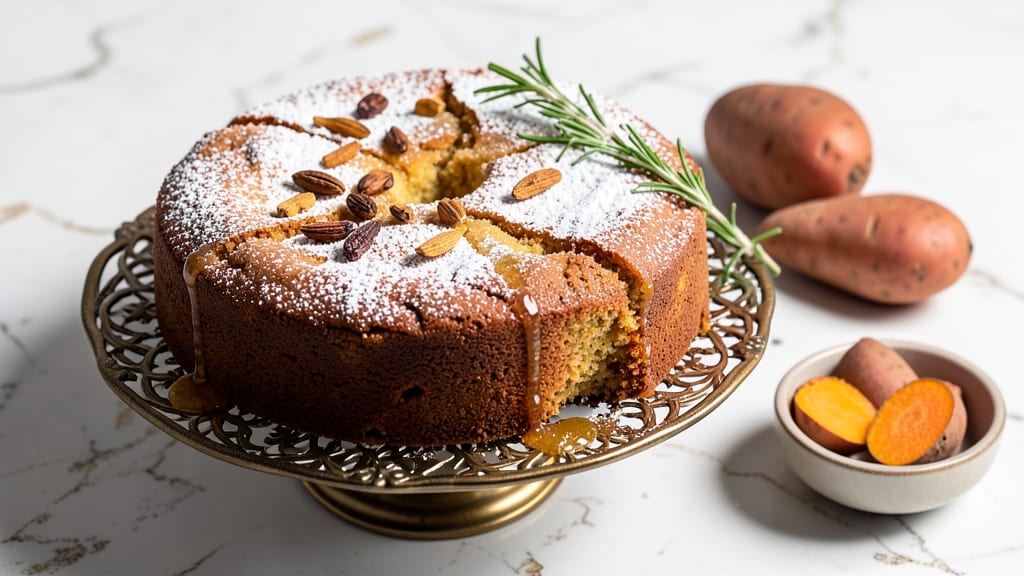
This sweet potato steamed cake delivers layers of moist, spice-infused richness without a single drop of oil—perfect for those seeking a healthier dessert that still satisfies. 🌟 The secret lies in steaming rather than baking, which preserves natural sweetness while creating a tender, cake-like texture with every bite.
I developed this recipe after years of experimenting with traditional Japanese sweet potato cakes (satsuma-imo), adapting them for modern tastes while keeping the technique simple and foolproof.
The beauty of this method is its versatility—no special equipment is needed beyond a steamer or even a colander lined with cheesecloth. The cake comes together with just a few pantry staples: sweet potatoes, sugar, flour, and warm spices like cinnamon and cardamom.
For those avoiding dairy or eggs, substitutions are effortless, making this recipe inclusive without compromising texture or flavor.
What you’ll end up with is a cake that’s moist and fragrant, with a delicate crumb and subtle caramel notes from the sweet potatoes. The steaming process ensures even cooking, eliminating the risk of dryness that often plagues baked cakes.
Serve it warm with a dusting of powdered sugar or a drizzle of honey for an elegant yet comforting dessert that feels indulgent yet guilt-free.
This recipe works equally well for special occasions or everyday cravings—scale it up for gatherings or make a single serving for a quiet night in. The technique is beginner-friendly, but the results are restaurant-quality. Let’s get started on creating your perfect steamed cake.
Ingredients for sweet potato steamed cake
Six simple ingredients transform into a moist, fragrant steamed cake without oil or eggs.
| Ingredient | Amount | Notes |
|---|---|---|
| Medium Sweet Potatoes 🍠 | 2 lbs | Peeled and grated (about 6 cups) |
| All-Purpose Flour 🌾 | 1 ½ cups | Sifted for light texture |
| Granulated Sugar 🍚 | 1 cup | Light brown preferred for depth |
| Ground Cinnamon 🌿 | 2 tsp | Freshly ground for aroma |
| Ground Cardamom 🌿 | 1 tsp | Toasted seeds ground fine |
| Baking Powder 🧂 | 1 ½ tsp | Aluminum-free for purity |
| Salt 🧂 | ½ tsp | Fine sea salt preferred |
| Vegetable Oil 🫒 | ¼ cup | Light variety for neutral flavor |
| Unsweetened Almond Milk 🥛 | ½ cup | Room temperature for blending |
| Vanilla Extract 🍯 | 1 tbsp | Pure Madagascar preferred |
| Powdered Sugar 🍚 | ¼ cup | For dusting finished cake |
| Honey 🍯 | 1 tbsp | Optional drizzle for serving |
The sweet potatoes are the heart of this recipe—choose vibrant orange ones with smooth skins for optimal sweetness. Most grocery stores carry them year-round, but specialty markets like Whole Foods often stock heirloom varieties with deeper flavor. Grate them immediately after peeling to prevent oxidation, which dulls their natural sweetness. For the spices, Penzeys Spices carries excellent cardamom pods, but any quality ground cardamom works. Toasting whole cardamom seeds before grinding intensifies their aroma, though pre-ground is fine for convenience. The flour should be sifted to eliminate lumps, ensuring a light, airy crumb.
No sweet potatoes? Yams or regular potatoes can substitute, though flavor will differ slightly. For a gluten-free version, swap the all-purpose flour for a 1:1 gluten-free blend. The almond milk can be replaced with any neutral plant milk—soy or oat work equally well. If you prefer not to use honey, a drizzle of agave nectar adds similar sweetness without altering the cake's texture. The baking powder is crucial for lift—ensure it's fresh by testing its ability to bubble when mixed with vinegar. For a more intense vanilla flavor, infuse the almond milk with a split vanilla bean while heating, then strain before using.
Store any leftovers in an airtight container in the refrigerator for up to 3 days, though this cake is best enjoyed fresh. The steamed cake reheats beautifully—wrap a slice in a damp paper towel and warm in the microwave for 20-30 seconds to restore its comforting warmth. For longer storage, freeze portions on parchment paper for up to 3 months. The powdered sugar dusting should be applied just before serving to maintain its delicate texture. This cake pairs perfectly with chai tea or spiced apple cider, enhancing its warm, aromatic profile.
Why You'll Love This Recipe
- Steam Magic Simplicity: I swear, this recipe takes less effort than microwaving leftovers. Just peel, steam, and mix—no fancy techniques, no waiting for an oven to preheat. The sweet potatoes soften perfectly in the steamer, and the batter comes together in one bowl with just a whisk. (Yes, even on a Tuesday night.)
- Spiced Sweetness Bomb: That caramelized sweet potato flavor? Next level. But the real magic is the cinnamon-cardamom blend—warm, cozy, and just sweet enough without being cloying. Honestly, the first bite makes me want to skip dessert. The cardamom gives it a subtle, elegant kick that feels fancy but costs pennies.
- Breakfast to Dessert: Here’s what sold me—this cake works anytime. Serve it warm for breakfast with a drizzle of honey, pack slices for lunch, or bring it to a potluck as a crowd-pleaser. My kids eat it plain, but I love it with a sprinkle of cinnamon sugar or even a dollop of yogurt. (Not the prettiest, but the taste makes up for it.)
- Budget-Friendly Leftovers: Sweet potatoes are cheap, and this recipe stretches far—easily feeds six but tastes just as good reheated the next day. I’ll be real: I’ve had cold slices for days, and they’re still moist and delicious. Plus, the spices are minimal, so your grocery bill won’t flinch. It’s my go-to when I need to feed a house without breaking the bank.
Step-by-step instructions for sweet potato steamed cake
Here's the precise method for achieving that signature moist, spice-infused texture through gentle steaming.
👨🍳 Step 1: Prepare the Sweet Potato Base
Peel the 2 lbs medium sweet potatoes and grate them using the large holes of a box grater. You should yield about 6 cups of grated sweet potato. Immediately transfer the grated potato to a clean kitchen towel and gently squeeze out all excess moisture - this is crucial for preventing a dense cake. The goal is to remove as much liquid as possible without compacting the fibers.
In a large mixing bowl, combine the drained sweet potato with the 1 cup granulated sugar, 2 tsp ground cinnamon, 1 tsp ground cardamom, and 0.5 tsp salt. Using a wooden spoon, fold these ingredients together until completely incorporated. The mixture should be evenly distributed with no dry spots remaining. This is where the aromatic spices begin to infuse the sweet potato, creating that signature warm, complex flavor profile.
🍳 Step 2: Combine Wet Ingredients and Mix
In a separate bowl, whisk together the 1.5 cups all-purpose flour, 1.5 tsp baking powder, 0.25 cup vegetable oil, and 0.5 cup unsweetened almond milk until smooth. The almond milk should be at room temperature to prevent any separation in the batter. Add the 1 tbsp vanilla extract to this mixture and whisk vigorously for 30 seconds to fully incorporate.
Gradually pour the wet mixture into the sweet potato mixture while folding gently with a spatula. Be careful not to overmix - just combine until no dry flour remains visible. The batter should be thick but pourable, with a consistency similar to heavy pancake batter. If it appears too thick, add 1-2 tablespoons of additional almond milk to achieve the proper texture. This careful blending ensures an even distribution of moisture throughout the cake.
🥘 Step 3: Prepare the Steaming Setup
Grease a 9-inch round cake pan generously with vegetable oil, then line the bottom with parchment paper. This creates a non-stick surface that allows for easy removal after steaming. Pour the batter evenly into the prepared pan, smoothing the top with a spatula. Place the pan on a heatproof plate or rack that will fit inside your steamer.
Fill a large pot with 2-3 inches of water and bring to a gentle simmer over medium heat. The water should produce a steady stream of steam but not boil vigorously. Place the heatproof plate with the cake pan inside the steamer, ensuring the bottom of the pan is 1-2 inches above the water level. This distance is critical - too close causes steaming, too far prevents proper moisture infusion.
⏰ Step 4: Steam to Perfect Moisture
Cover the pot with a tight-fitting lid and steam the cake for 50-55 minutes. The cake is done when a toothpick inserted into the center comes out clean with just a few moist crumbs clinging to it. Avoid oversteaming - the cake will continue to cook slightly as it cools. The gentle steam creates an incredibly moist texture without needing oil in the cake itself, allowing the natural sweetness of the potatoes to shine.
Remove the cake from the steamer and let it cool in the pan for 10 minutes before transferring to a wire rack. Brush the warm cake with the 1 tbsp honey if using, then dust generously with the 0.25 cup powdered sugar while still slightly warm. This creates that signature velvety finish while adding a touch of natural sweetness that complements the spiced sweet potato flavor.
Pro Tips For Making Sweet Potato Steamed Cake
- STEAM AT 180°F: I learned this the hard way—sweet potato cakes need a gentle touch. Too hot, and they’ll turn gummy; too low, and they’ll dry out. Use a thermometer to nail 180°F (82°C) and keep the lid slightly ajar the last 10 minutes to release steam. Yes, it’s fussy, but it guarantees that tender crumb.
- GRATE, DON’T MASH: Skip the food processor unless you want gluey texture. Hand-grate the sweet potatoes (skin on) for a coarser, drier consistency that binds better with flour. The extra friction from grating also breaks down starches just enough—no need to overwork it.
- WEIGH YOUR FLOUR: That scoop-and-sweep method? It’s sabotaging your cake. Use a kitchen scale for the flour—1 cup of AP flour isn’t always 120g, and packing it too tightly changes the ratio. Lightly spoon it in, level off, and resist the urge to compress. Trust me, your cake’s structure will thank you.
- TOAST THE SPICES: Ground cinnamon and cardamom lose potency fast, but toasting them first? Game-changer. Heat them in a dry pan for 30 seconds until fragrant—it deepens their flavor without burning. Cool completely before mixing; hot spices can cook the batter prematurely. (Pro move: Store them in the fridge afterward.)
Storing and reheating your leftovers
Room-Temp Storage
This cake stays fresh at room temperature for up to 2 days when stored in an airtight container with a damp paper towel on top. The moisture helps maintain that signature tender crumb.
I like to wrap mine in parchment paper first, then place in a glass Pyrex container with a tight-fitting lid. The paper prevents any condensation from making the cake soggy while keeping it perfectly moist. 🌟
Fridge Preservation
For longer storage, refrigerate the cake in an airtight container for up to 5 days. The cold helps preserve the delicate texture, though I find it's best enjoyed within 3 days for optimal freshness.
When ready to serve, let it sit at room temperature for 15-20 minutes before reheating. This prevents condensation from forming on the surface when you warm it up.
Freezer-Friendly
Slice the cake before freezing for easy portions. Wrap each slice individually in plastic wrap and place them in a freezer bag with all air removed. This method keeps the cake fresh for up to 3 months without freezer burn.
When you're ready to enjoy, thaw overnight in the fridge or warm directly from frozen using the microwave method below. 💫
Microwave Revival
For quick reheating, wrap a slice in a damp paper towel and heat on 50% power for 20-30 seconds. This gentle approach restores the cake's warmth without drying it out.
If using multiple slices, reheat in 10-second intervals to prevent overheating. The microwave method works best for single servings and preserves that moist texture you love.
Oven Refresh
For a more even reheat, wrap the cake in aluminum foil and warm in a 350°F oven for 8-10 minutes. This method is ideal for serving multiple slices at once. The foil traps moisture while the oven gently warms through the entire cake.
I find this approach particularly effective when serving to guests—it keeps the cake's structure intact while restoring its comforting warmth. ✨
Nutrition facts
Frequently asked questions
Can I make this cake without a steamer?
If you don't have a steamer, create one by placing a heatproof plate or rack in a large pot with 2-3 inches of water. You can also use a colander lined with cheesecloth over a pot of boiling water. The key is maintaining a gentle steam environment—just ensure the cake pan stays 1-2 inches above the water level to avoid sogginess.
Why does my batter look too thick?
This is normal! The sweet potato releases moisture, but the batter should be thick like heavy pancake batter. If it's too stiff, add 1-2 tablespoons of almond milk or water while folding. Overmixing can make it dense, so mix just until combined. The steaming process will help create the perfect moist texture without needing extra liquid.
Can I substitute regular potatoes?
While sweet potatoes are ideal, you can use yams or regular potatoes in a pinch. However, the flavor and texture will differ—sweet potatoes provide natural sweetness and a creamier texture. For best results, choose starchy potatoes like Russets, but expect a less sweet, more neutral taste.
How do I make this cake vegan?
Replace the vegetable oil with coconut oil (melted) and swap the almond milk for unsweetened soy milk. For binding, add 1 tbsp ground flaxseed mixed with 3 tbsp water (let sit for 5 minutes to thicken). The cake will still be moist and delicious—just slightly denser. Test the flax mixture first to ensure proper texture.
What if my cake turns out dense?
Density usually happens from overmixing or not draining excess moisture from the sweet potatoes. Next time, squeeze the grated potatoes thoroughly in a towel and fold the batter gently. For a quick fix, slice the cake thinly and reheat with a damp paper towel to restore moisture. The steaming time may need adjustment—try 45 minutes if it's consistently dense.