
Side Dishes
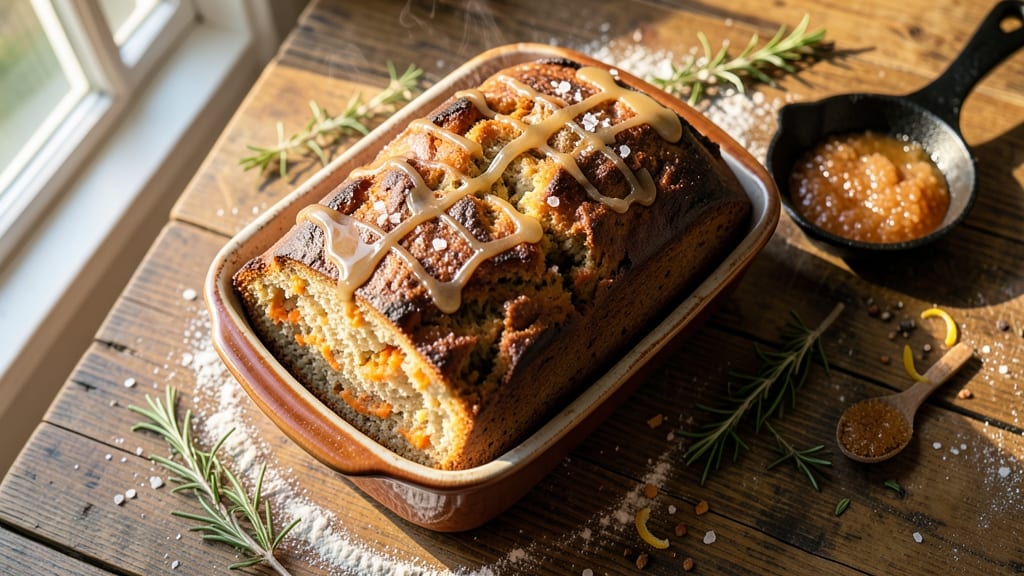
This South African sweet potato bread recipe transforms humble ingredients into a fragrant, golden loaf that balances caramelized sweetness with warm spices. The key lies in roasting the sweet potatoes until tender and deeply aromatic, creating a moist, flavorful base that elevates the bread's texture.
I developed this recipe after discovering how South African bakeries achieve that signature tender crumb and slightly crispy crust—now you can recreate it at home.
The process begins with a simple dough that incorporates roasted sweet potato puree, brown sugar, and a blend of cinnamon and nutmeg for that signature South African spice profile.
Unlike traditional sweet potato bread, this version uses a touch of molasses for depth and a hint of vanilla to enhance the caramel notes. The dough rises overnight in the refrigerator, allowing flavors to meld and creating a loaf with a perfect balance of sweetness and warmth.
When baked at 350°F, the bread develops a golden crust that encases a tender, moist interior with subtle pockets of air.
The caramelized sweet potatoes infuse the dough with natural sweetness, while the spices add a comforting warmth that makes this bread ideal for breakfast, snacks, or paired with tea. The result is a loaf that’s rich, fragrant, and impossible to resist—every slice feels like a taste of South Africa.
For added texture, consider folding in chopped walnuts or pecans, or even a layer of apricot jam for a sweet surprise. This recipe delivers a foolproof method for a bread that’s as beautiful as it is delicious, with minimal effort and maximum flavor. Let’s get started!
Ingredients for sweet potato bread recipe south africa
Roasted sweet potatoes and warm spices create this fragrant South African-inspired loaf.
| Ingredient | Amount | Notes |
|---|---|---|
| Sweet Potatoes 🍠 | 2 lbs | Orange-fleshed, peeled and cubed |
| All-Purpose Flour 🌾 | 3 ½ cups | Spooned and leveled measurement |
| Granulated Sugar 🍚 | ½ cup | White or raw cane sugar |
| Brown Sugar 🍚 | ½ cup | Packed firmly into cup |
| Unsalted Butter 🧈 | ½ cup | Cold and cubed for mixing |
| Large Eggs 🥚 | 2 whole | Room temperature preferred |
| Molasses 🍯 | ¼ cup | Unsulphured preferred |
| Vanilla Extract 🌸 | 1 tbsp | Pure vanilla extract |
| Ground Cinnamon 🌶️ | 1 ½ tsp | Freshly ground preferred |
| Ground Nutmeg 🌶️ | ½ tsp | Freshly grated nutmeg |
| Salt 🧂 | ½ tsp | Fine sea salt preferred |
| Active Dry Yeast 🍞 | 2 ¼ tsp | Fresh yeast if available |
| Warm Water 💧 | ½ cup | 110°F-115°F for yeast activation |
| Walnuts or Pecans 🥜 | ½ cup | Chopped, optional for texture |
The sweet potatoes are the foundation—look for vibrant orange-fleshed varieties like Jewel or Beauregard at Whole Foods or local farmers markets. Peeled and cubed before roasting, they develop that signature caramelized sweetness. For the flour, King Arthur or Gold Medal brands work best for that tender crumb. The brown sugar should be packed firmly into the cup—don't scoop it loosely. If you're feeling adventurous, swap half the flour for whole wheat pastry flour for added depth. The molasses matters too—unsulphured has a richer flavor, and you'll find it in the baking aisle or at specialty stores like Penzeys.
No molasses? Substitute with 1/4 cup maple syrup plus 1/4 cup extra brown sugar—it won't be identical but works in a pinch. Fresh yeast is ideal but active dry works fine—just make sure it's not expired. The water temperature is critical: too hot kills the yeast, too cold slows activation. For the spices, Penzeys or McCormick have excellent pre-ground blends, but freshly grinding nutmeg makes all the difference. The optional nuts? Trader Joe's has pre-chopped walnuts that save time—just toast them first for extra flavor. If you're making this ahead, prepare the dough up to the overnight rise and refrigerate it.
This dough keeps beautifully in the fridge for up to 3 days before baking. For longer storage, shape the loaf and freeze it (unbaked) for up to 3 months. Once baked, slice and store wrapped at room temperature for 2 days or freeze slices for 1 month. The bread reheats perfectly—wrap slices in foil and warm in a 350°F oven for 5-7 minutes. Leftovers? Toast them for breakfast—they're even better the second day. And if you're feeling fancy, brush warm slices with melted butter and a sprinkle of cinnamon.
Why You'll Love This Recipe
- No Boil Needed: I just roast the sweet potatoes whole—no peeling, no chopping, no mess—until they’re soft enough to mash with a fork. Honestly, the oven does all the work while you mix the dough, and that buttery-sweet aroma? Pure magic.
- Two Sugars, Big Payoff: The combo of granulated and brown sugar gives this bread that caramelized crunch on the outside while keeping the inside tender and moist. Between us, it’s the kind of sweetness that makes you forget it’s actually good for you (thanks, sweet potatoes).
- Breakfast or Snack Hero: Slice it toasted with butter for a quick breakfast, pack it in lunchboxes for kids, or serve it warm with jam at a braai. I’ve even used it to soak up stew gravy—because why waste good bread?
- Budget-Friendly Staple: Sweet potatoes bulk up the recipe cheaply, and a single batch stretches for days. Freeze the leftovers in slices, and you’ve got instant toast or French toast starter. My wallet (and my family) thank me every time.
Step-by-step instructions for sweet potato bread
This spiced golden loaf delivers rich caramelized sweetness with a tender crumb. Follow these precise steps for perfect texture every time.
Prepare the Sweet Potato Puree
Preheat your oven to 400°F and line a baking sheet with parchment paper. Place the 2 lbs peeled and cubed sweet potatoes on the prepared sheet. Roast for 30-40 minutes until completely tender and easily pierced with a fork. The edges should be slightly caramelized.
Transfer the roasted sweet potatoes to a food processor or blender while still warm. Pulse until completely smooth, scraping down the sides as needed. You should have about 2 cups of puree. Let it cool completely before using—this prevents the yeast from activating prematurely in the dough.
Activate the Yeast and Mix Wet Ingredients
In a small bowl, combine the 0.5 cup warm water (between 110°F-115°F) with the 2.25 tsp active dry yeast. Let sit for 5-10 minutes until foamy. This indicates the yeast is active and ready to work. If it doesn't foam, your yeast may be dead—start over with fresh yeast.
In a large mixing bowl, whisk together the sweet potato puree, 0.25 cup molasses, 1 tbsp vanilla extract, and the yeast mixture. Stir in the 0.5 cup granulated sugar, 0.5 cup brown sugar, and 2 whole large eggs. Mix until completely combined and smooth. The batter should be thick but pourable.
Combine Dry Ingredients and Develop the Dough
In a separate bowl, whisk together the 3.5 cups all-purpose flour, 1.5 tsp ground cinnamon, 0.5 tsp ground nutmeg, and 0.5 tsp salt. Gradually add this dry mixture to the wet ingredients, mixing just until combined. Be careful not to overmix—you should still see some flour streaks.
Add the 0.5 cup cold cubed unsalted butter and mix until fully incorporated. The dough will be soft and slightly sticky. If it feels too wet, add 1-2 tablespoons more flour until it comes together but remains workable. Fold in the 0.5 cup chopped walnuts or pecans if using, reserving a few for garnish.
Knead, Rise, and Shape the Dough
Lightly flour a clean surface and turn out the dough. Knead gently for 3-5 minutes until smooth and elastic. The dough should be soft but not sticky—add more flour only if necessary. Shape into a round loaf about 8 inches in diameter and place in a lightly greased 9-inch round cake pan.
Cover the pan with a clean kitchen towel and let rise in a warm place for 1-1.5 hours until the dough has doubled in size and springs back slowly when gently pressed. The edges should look slightly puffy and the top should have risen noticeably. This proofing step is crucial for that light, airy texture.
Bake to Golden Perfection
Preheat your oven to 350°F. Brush the risen dough with any remaining egg wash (if you have it) or lightly beat an egg with 1 tablespoon water and brush this over the top. Sprinkle with reserved chopped nuts for extra crunch. Bake for 45-55 minutes until the top is deep golden brown and a toothpick inserted in the center comes out clean.
Let the bread cool in the pan for 10 minutes before transferring to a wire rack. The internal temperature should reach 190°F at the center. Serve warm for the best texture—this bread is at its most tender and flavorful when enjoyed fresh from the oven. The crust should be firm with a crisp texture, while the interior remains moist and spiced with sweet potato flavor.
Pro Tips For Making Sweet Potato Bread Recipe South Africa
- STEAM THE POTATOES FIRST: I learned this the hard way—roasting whole sweet potatoes before grating them makes the bread way more flavorful. Cut them into 2cm chunks, microwave for 8-10 minutes (covered in a bowl with a splash of water), then mash them smooth. The residual moisture keeps the dough from drying out, and the texture stays tender.
- USE COLD BUTTER: Skip the softened butter—this isn’t a cake. Cut the unsalted butter straight from the fridge into small cubes and fold it into the dough last. The cold fat creates pockets that make the bread actually flaky, not greasy. (Yes, even if you’re impatient like me.)
- DON’T OVERMIX THE DOUGH: I used to beat this like I was punishing the flour, but that’s how you get tough bread. Mix just until the dry ingredients disappear—maybe 10-12 strokes with a wooden spoon. Overworking develops gluten, and this recipe relies on that sweet potato moisture for a soft, cake-like crumb.
- BAKE UNTIL THE CENTER HITS 95°C: That’s right—not 100°C. Pull the bread out when the edges are golden but the center still jiggles slightly. It’ll firm up as it cools, but if you bake it all the way through, it’ll turn into a brick. (I know, I’ve cried over one.) Let it rest 5 minutes before slicing—trust the process.
Wine and beer pairings for this sweet potato bread recipe south africa
South African Wine Pairings
This sweet potato bread’s warm spices and caramelized sweetness pair beautifully with South Africa’s vibrant wines. A Chenin Blanc from Stellenbosch—like Delaire Graff’s "Les Chai"—is my top choice.
Its honeyed notes and subtle acidity mirror the bread’s molasses and vanilla, while the wine’s crisp finish cuts through the richness. Serve slightly chilled for the perfect balance. 🍷
Local Craft Beer Options
For beer lovers, a South African amber ale like Fat Tire or Black Lion complements the bread’s spiced sweetness. The malty caramel and toasted notes in these beers echo the roasted sweet potatoes, while their moderate bitterness prevents the dish from feeling too heavy.
Try a glass at room temperature for the best flavor harmony.
Coffee and Tea Pairings
If you prefer non-alcoholic options, a strong South African rooibos tea with honey enhances the bread’s natural sweetness without overpowering it. For coffee drinkers, a medium-roast Arabica with notes of chocolate and nuts—like Fairtrade-certified beans from KwaZulu-Natal—pairs wonderfully.
The earthy undertones in the coffee complement the cinnamon and nutmeg in the bread.
Fruit-Based Pairings
Fresh fruit adds a refreshing contrast to the rich bread. Serve slices with sliced peaches or apricots—both popular in South African cuisine—drizzled with honey. The fruit’s natural acidity balances the bread’s sweetness, while the honey deepens the caramelized flavors.
For a tropical twist, try mango slices with a squeeze of lime.
Dessert Wine for Late-Night Slices
Save a glass of South African Muscat—like KWV’s "Muscadel"—for when you’re enjoying warm slices of bread as a dessert. This lightly sparkling wine has floral and citrus notes that refresh the palate after each bite.
Its slight sweetness enhances the bread’s molasses and vanilla, making it a perfect late-night treat. 🍇
Nutrition facts
Frequently asked questions
Can I substitute regular potatoes for sweet potatoes in this recipe?
No, sweet potatoes are essential for this recipe. Their natural sweetness and moist texture create the signature flavor and tender crumb. Regular potatoes are starchier and won't provide the same caramelized sweetness or rich color. If you're out of sweet potatoes, try yams as a close alternative, but they'll have a slightly different flavor profile.
Why does the dough need to rise overnight in the fridge?
The overnight cold rise (also called a "retard") enhances flavor development and improves texture. The slow fermentation in the fridge allows the yeast to work gently, creating a more complex taste and a lighter crumb. Plus, it's perfect for busy schedules—just shape the dough the night before and bake in the morning!
What's the best way to store leftover sweet potato bread?
Wrap cooled slices tightly in plastic wrap or aluminum foil and store at room temperature for up to 2 days. For longer storage, freeze slices between parchment paper for up to 1 month. To revive, toast frozen slices for 3-5 minutes at 350°F until warmed through. The bread reheats beautifully!
Can I make this bread without nuts?
The nuts are optional and only add texture. Simply omit them from the recipe. If you want extra crunch without nuts, try adding 1/2 cup dried cranberries or raisins instead. The bread will still be delicious and moist—just slightly less nutty in texture.
How do I know when the bread is fully baked?
Look for a deep golden brown crust and use the toothpick test: insert a toothpick into the center. If it comes out clean with no wet dough clinging, the bread is done. The internal temperature should reach 190°F. Overbaking can dry out the bread, so pull it out when it's just slightly underdone—it'll continue cooking as it cools.