
Side Dishes
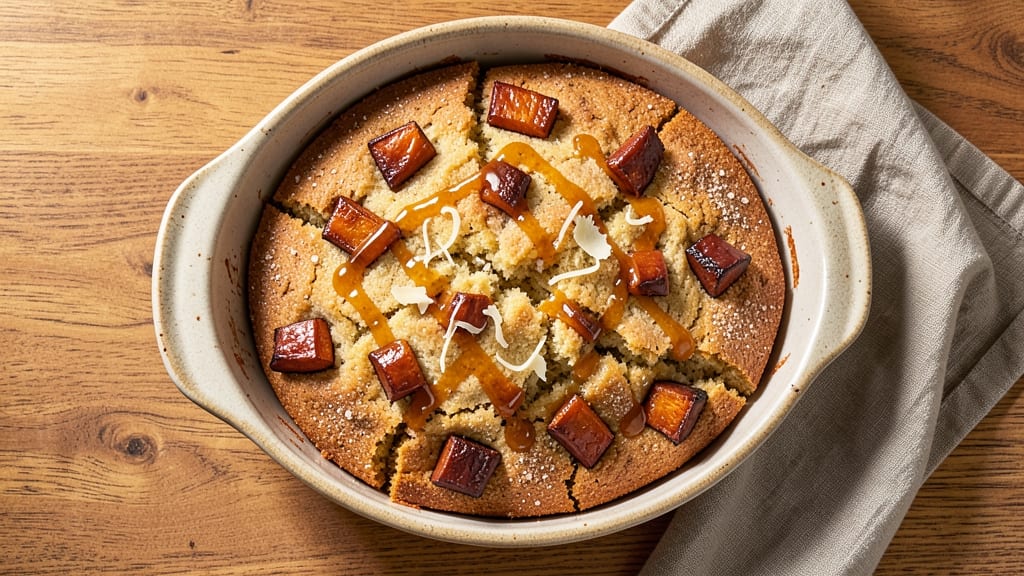
This sweet potato honey cornbread recipe delivers the perfect balance of crispy crust and moist, honey-sweetened crumb—ideal for breakfast, sides, or even dessert. The natural sweetness of roasted sweet potato pairs beautifully with rich honey, creating a tender interior that's impossible to resist.
I developed this recipe after craving something heartier than traditional cornbread but still light enough for any meal.
The secret to this cornbread lies in the roasted sweet potato—its earthy notes deepen the flavor while keeping the texture moist. Honey adds a subtle caramelization that caramelizes beautifully during baking, creating a sticky-sweet core that contrasts with the golden, crispy crust.
Unlike dense cornbread, this version stays tender yet sturdy enough to hold up as a side or even a breakfast dish.
What makes this recipe stand out is how versatile it is—serve it warm alongside BBQ, pair it with honey butter for breakfast, or even enjoy it as a dessert with a drizzle of extra honey.
The combination of sweet potato and honey transforms ordinary cornbread into something extraordinary, with every bite offering a perfect harmony of textures and flavors.
Ready in just 30 minutes, this cornbread requires minimal effort but delivers maximum flavor. Whether you're feeding a family or treating yourself, this recipe ensures a showstopping side dish that's as impressive as it is delicious. Let's get baking!
Ingredients for sweet potato honey cornbread
Roasted sweet potatoes and rich honey transform ordinary cornbread into something extraordinary.
| Ingredient | Amount | Notes |
|---|---|---|
| Sweet Potatoes 🍠 | 1 ½ lbs | Medium-sized, peeled and cubed |
| Raw Honey 🍯 | ½ cup | Local preferred for depth of flavor |
| All-Purpose Flour 🌾 | 1 ½ cups | King Arthur preferred for texture |
| Cornmeal 🌽 | ½ cup | Fine grind for even distribution |
| Baking Powder 🧂 | 2 tsp | Aluminum-free for better flavor |
| Salt 🧂 | ½ tsp | Diamond Crystal preferred |
| Large Eggs 🥚 | 2 whole | Room temperature for even baking |
| Unsalted Butter 🧈 | ½ cup | Cold, cubed for proper texture |
| Milk 🥛 | ¾ cup | Whole milk for richness |
| Vanilla Extract 🍃 | 1 tsp | Pure Madagascar preferred |
| Cinnamon 🌶️ | 1 tsp | Ground, for subtle warmth |
| Ground Ginger 🌿 | ½ tsp | Freshly ground preferred |
| Coconut Oil 🫒 | 1 tbsp | For greasing pan thoroughly |
The sweet potatoes are the foundation—medium-sized russets or Jewels work best, with their natural sweetness intensifying when roasted. Whole Foods or local farmers markets often carry the best varieties, but any orange-fleshed sweet potato will do. Roast them until tender (about 25 minutes at 400°F), then mash them until smooth—their earthy sweetness will infuse the entire cornbread. For the honey, local varieties add depth, but any raw honey will work; avoid processed honey that lacks flavor complexity. The butter should be cold when cubed to create pockets of air in the batter, ensuring that crispy crust you crave.
No sweet potatoes? Canned pumpkin puree works in a pinch, though it lacks the same depth of flavor. Substituting honey for maple syrup (use one-third less) keeps the recipe vegan, but the texture may be slightly denser. For the cornmeal, fine grind is essential—it distributes evenly and prevents a gritty texture. If you're short on time, instant cornmeal can be used, though it lacks the same rustic texture. The eggs can be replaced with flax eggs (2 tbsp ground flaxseed + 6 tbsp water) for a vegan option, though the texture will be slightly different. Always use whole milk for richness; skim milk will yield a drier crumb.
This cornbread reheats beautifully—wrap it in foil and warm in a 350°F oven for 10-15 minutes to restore its moisture. Store leftovers in an airtight container at room temperature for up to 3 days, or freeze for up to 3 months by wrapping tightly in plastic wrap and aluminum foil. For serving, a drizzle of extra honey or a pat of honey butter elevates it to dessert status. The crust stays crispy for about an hour after baking, so enjoy it fresh or reheat as needed.
Why You'll Love This Recipe
- Sweet Potato Swap: I roast the sweet potato first—toss it in olive oil, salt, and a pinch of cinnamon, then bake until tender. That 20-minute prep turns into a flavor bomb that cuts down on sugar cravings while keeping the bread moist for days.
- Honey-Corn Crunch: Between us, the raw honey and cornmeal combo is chef’s kiss—sweet but not cloying, with that perfect crunch from the toasted cornmeal. It’s the kind of flavor that makes you pause mid-bite, even if your hands are sticky from mixing.
- Breakfast to Brunch: Honestly, this bread is my lazy weekend hero. Toast it for breakfast with butter and jam, serve it warm alongside chili, or slice it into squares for a picnic. The honey-sweetened edges make it feel fancy, but it’s really just a pantry staple.
- Budget-Friendly Staple: Sweet potatoes and honey stretch my grocery budget further than I’d expect. A single roasted sweet potato feeds two batches, and the dry ingredients last forever. Plus, leftovers reheat like a dream—no sad, dry bread here.
Step-by-step instructions for sweet potato honey cornbread
Master this technique and you'll achieve a perfect balance of crispy exterior and moist, honey-infused center every time.
Prepare the Sweet Potato Puree
Preheat your oven to 400°F and place the 1.5 lbs cubed sweet potatoes on a baking sheet lined with parchment paper. Roast for 25-30 minutes until the edges are tender and the internal temperature reaches 200°F when pierced with a fork.
Transfer the roasted sweet potatoes to a food processor or blender while still hot. Add ½ cup raw honey and blend until completely smooth, scraping down the sides as needed. The puree should be velvety with no visible chunks. This sweet base forms the heart of our cornbread, providing natural moisture and depth of flavor that sets it apart from traditional recipes.
Mix Dry and Wet Ingredients Separately
In a medium bowl, whisk together the 1.5 cups all-purpose flour, 0.5 cup cornmeal, 2 tsp baking powder, 0.5 tsp salt, 1 tsp cinnamon, and 0.5 tsp ground ginger. Sift the mixture through a fine-mesh sieve directly into another bowl to aerate the flour and prevent dense pockets in your cornbread.
In a separate large bowl, combine the sweet potato puree with 2 room-temperature eggs, 0.5 cup cold cubed butter, 0.75 cup milk, 1 tsp vanilla extract, and ½ tsp salt. Whisk vigorously until the butter is fully incorporated and the mixture is smooth. The cold butter creates steam during baking, contributing to that signature crispy crust you're aiming for.
Combine and Prepare the Batter
Gradually pour the dry ingredients into the wet mixture while stirring gently with a rubber spatula. Mix just until combined—you should still see small flecks of flour throughout the batter. Overmixing develops gluten, which would make your cornbread tough rather than tender. The batter should be thick but pourable, similar to pancake batter.
Let the batter rest for 10 minutes at room temperature. This brief resting period allows the flour to fully hydrate and the gluten to relax slightly, resulting in a more tender crumb. While waiting, preheat your oven to 375°F and grease a 9-inch cast-iron skillet thoroughly with 1 tablespoon coconut oil, ensuring the oil coats all surfaces evenly.
Bake for Crispy Perfection
Pour the batter into the prepared skillet and smooth the top with a spatula. Bake for 20-25 minutes until the edges are deeply golden brown and a toothpick inserted in the center comes out clean. The top should have a crackly crust while maintaining a moist interior—this is where the magic happens.
Here's the crucial part: in the last 5 minutes of baking, place the skillet on the middle rack and increase the oven temperature to broil. Watch closely as the top develops a beautiful golden-brown crust. If it browns too quickly, cover loosely with aluminum foil to prevent burning. The broiling step creates that perfect contrast of crispy exterior and tender interior that makes this cornbread truly special.
Rest and Serve
Remove the cornbread from the oven and let it cool in the skillet for 5 minutes. Then transfer it to a wire rack to cool completely. This resting period allows the internal structure to set properly, preventing it from falling apart when sliced. The cornbread should have a crackly, golden crust with a moist, slightly sticky crumb infused with sweet potato and honey flavors.
Serve warm with additional raw honey drizzled on top or alongside your favorite butter. Each slice should reveal a tender crumb with pockets of sweet potato puree, creating a delightful texture contrast. For best results, serve within 2 hours of baking when the cornbread is at its peak texture and flavor.
Pro Tips For Making Sweet Potato Honey Cornbread
- Roast Sweet Potatoes First: I learned this the hard way—raw sweet potatoes in the batter make the cornbread dense and gummy. Roast them at 400°F (200°C) for 20-25 minutes until tender, then mash or blend them into the batter. The flavor deepens, and the texture stays light.
- Use Warm Honey: Cold honey thickens the batter and can make the cornbread dry. Microwave the honey for 10-15 seconds to loosen it, then stir it into the wet ingredients. This ensures even distribution and a moister crumb—trust me, it makes a real difference.
- Don’t Overmix the Batter: The second I started folding in the dry ingredients instead of stirring, the cornbread stopped turning out tough. Mix just until combined—lumps are fine. Overworking the gluten in the flour turns this tender cornbread into a sad, dense brick.
- Grease That Pan Well: Cornmeal and honey mean sticky batter, and nothing ruins a batch faster than a cornbread stuck to the pan. Use 1 tablespoon of butter or oil to coat the pan, then sprinkle a thin layer of cornmeal—tap out the excess. Yes, it’s extra work, but your future self will thank you.
Common mistakes when making great sweet potato honey cornbread
Overmixing the Batter
I’ve made this mistake more times than I’d like to admit—overmixing the batter turns your cornbread dense and tough instead of tender and airy. The moment you see no more flecks of flour, stop stirring.
Use a rubber spatula and mix just until combined, about 20-25 strokes. Overmixing develops gluten, which is great for bread but ruins the delicate crumb of cornbread. 🥄
Skipping the Resting Time
That 10-minute rest before baking isn’t optional—it’s essential. Skipping it means the flour won’t hydrate properly, leading to a dry, crumbly texture. Let the batter sit while you preheat the oven and grease your pan. Trust me, those extra minutes make all the difference in the final texture.
Using Warm Butter
Cold butter creates steam during baking, which is what gives this cornbread its signature crispy crust. If you use warm or melted butter, you’ll lose that steam and end up with a flat, dense loaf.
Cube your butter and keep it in the freezer for 10 minutes before measuring to ensure it stays cold. The contrast in temperatures is key!
Overfilling the Pan
This cornbread needs room to rise and develop that crackly crust. A 9-inch cast-iron skillet is perfect, but don’t overfill it—pour the batter in just until it reaches the top edge.
If you fill it too much, the cornbread will spill over or bake unevenly. A slightly domed top is ideal, so aim for about ¾ full when pouring.
Ignoring the Broiling Step
The broil in the final 5 minutes is what creates that beautiful golden crust. If you skip it, your cornbread will lack that crispy contrast. Keep a close eye on it—broilers can vary wildly, and you don’t want to burn the top.
If it browns too quickly, cover loosely with foil and continue broiling until golden.
Not Greasing the Pan Enough
Cornbread sticks when the pan isn’t properly greased. Use 1 tablespoon coconut oil (or melted butter) and coat the pan thoroughly, including the sides. I even rub a little oil on my hands and wipe it over the top of the batter before baking.
This extra step ensures easy release and that perfect crust on all sides. 🧈
Nutrition facts
Frequently asked questions
Can I make this cornbread without sweet potatoes?
Yes! For a similar texture, substitute 1.5 cups canned pumpkin puree (unsweetened) for the roasted sweet potatoes. Reduce the honey to ¼ cup to balance sweetness. The flavor will be milder but still delicious. For extra depth, add ½ teaspoon pumpkin pie spice to the dry ingredients.
How can I make this vegan?
Replace the eggs with 2 flax eggs (2 tbsp ground flaxseed + 6 tbsp water), use ½ cup melted coconut oil instead of butter, and swap milk for ¾ cup unsweetened almond milk. The texture will be slightly denser but still tender. For extra richness, add 1 tablespoon maple syrup to the wet ingredients.
Why did my cornbread turn out dry?
Dry cornbread usually means overbaking or skipping the resting time. Check your oven temperature with an oven thermometer—many run hot. Also, ensure you're not overmixing the batter. For extra moisture, brush the crust with 2 tablespoons melted butter during the last 5 minutes of baking.
Can I make this in a standard loaf pan?
Yes, but the texture will differ slightly. Grease a 9x5-inch loaf pan thoroughly and reduce baking time to 18-20 minutes. The crust will be less crispy, but the interior will remain moist. For best results, bake at 350°F instead of broiling, and cover with foil if the top browns too quickly.
How should I store leftovers?
Wrap cooled cornbread tightly in plastic wrap and store at room temperature for up to 3 days. For longer storage, freeze slices wrapped individually in plastic. Reheat in a 350°F oven for 10-15 minutes or microwave for 20-30 seconds (covered) until warm. The crust may lose crispness when reheated, so enjoy fresh when possible!